
CAPITAL AFRICA
LOGISTICS
TRUST
VERIFY
DELIVER
Loading Experience...
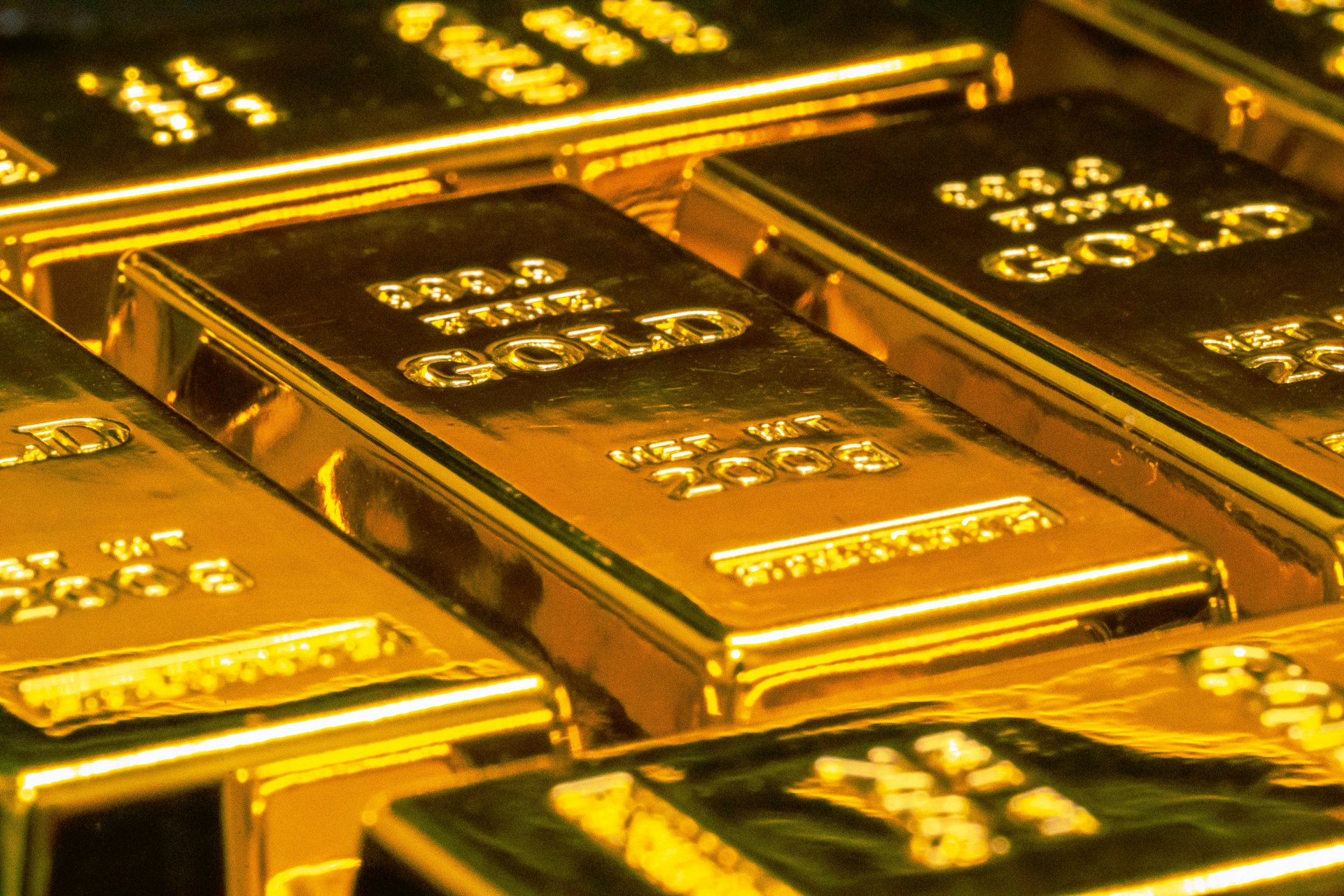
Everything you need to know about sourcing gold from Africa - the opportunities, the risks, and how to protect yourself at every step.
If you're reading this, you've probably already discovered that Africa produces some of the highest-quality gold in the world. Ghana, Guinea, Mali, Tanzania, Burkina Faso - these countries sit on massive gold deposits, and the prices can be very attractive compared to what you'd pay on the open market.
But here's what nobody tells you upfront: for every legitimate seller in Africa, there are a dozen people trying to scam you. We've seen it all - fake assay reports, gold-plated tungsten bars, sellers who disappear after receiving wire transfers.
That's not meant to scare you away. African gold is absolutely worth pursuing. The supply is abundant, the quality is exceptional, and the economics work. But you need to approach it the right way.
This guide will show you exactly how to do that.
Never - under any circumstances - send money to a seller before independent verification, laboratory testing, and escrow protection are in place. Legitimate sellers understand this. Scammers will push back.
There are real advantages to building supply relationships in African gold markets - if you do it right.
Direct sourcing from miners often means pricing at or below London spot - especially for larger quantities.
West African gold is known for high natural purity. Refined bars regularly achieve 999.9 fine certification.
Africa holds 40% of the world's gold reserves with growing production from industrial and artisanal sources.
Build direct relationships with verified mining cooperatives for consistent supply and volume discounts.
Physical gold from diverse sources provides portfolio protection and tangible asset ownership.
Responsible sourcing supports local communities, fair wages, and sustainable practices.
Here's what most brokers won't tell you: the African gold market is a minefield for unprepared buyers. Every week, we hear from people who've lost tens of thousands - sometimes hundreds of thousands - to convincing scams.
The stories follow similar patterns. A seller reaches out with an attractive offer. They have photos of gold bars, documents that look official. The buyer sends a deposit, then another payment for "taxes" or "export fees." The gold never arrives.
The problem isn't that legitimate sellers don't exist - they do. The problem is that legitimate sellers and scammers often look identical on the surface.
The difference only becomes clear when you dig deeper. When you verify licenses directly with government ministries. When you insist on independent laboratory testing. When you demand escrow protection. Legitimate sellers welcome this scrutiny. Scammers can't survive it.
After years in this business, we've learned to spot trouble quickly.
This is exactly how we structure every transaction. Each step protects you.
Before anything else - before discussing price, before any commitments - verify that you're dealing with a legitimate operation. This means checking mining licenses directly with the Ministry of Mines, confirming export permits are valid, and running background checks.
Never rely on assay reports provided by the seller. Arrange for independent testing at an ISO 17025 accredited facility. Fire assay remains the gold standard for commercial settlement.
Your payment should never go directly to the seller before verification. Funds are held by a trusted third-party escrow service. The seller knows the money is secured; you know it won't be released until every condition is met.
Legal export requires proper documentation: export permits, certificates of origin, customs declarations, assay certificates. We work directly with customs authorities to ensure everything is correct.
Once verified and documented, gold moves through secure logistics channels with armored transport, GPS tracking, and full insurance. Only after you confirm receipt does the escrow release to the seller.
Understanding what's available in the market and what to expect.
Cast or minted bars from accredited refineries. Various sizes from 100g to 12.5kg.
99.5% - 99.99%
Semi-refined gold direct from mining. Contains silver and trace metals.
85% - 95%
Fine particles from river placer deposits. Common in West Africa.
75% - 92%
Naturally occurring pieces from placer mining with collector premium.
85% - 95%What we typically see from buyers - from first-time purchasers to established traders.
We're not gold dealers - we don't sell gold ourselves. We're facilitators. We verify sellers, coordinate testing, protect payments, handle logistics, and ensure legal compliance.
We check everything directly with government authorities.
ISO 17025 accredited facilities. No seller influence.
Your funds stay secure until you approve release.
Armored transport, GPS tracking, full insurance.

Contact us to discuss your requirements. We'll explain exactly how we can help - no obligation.