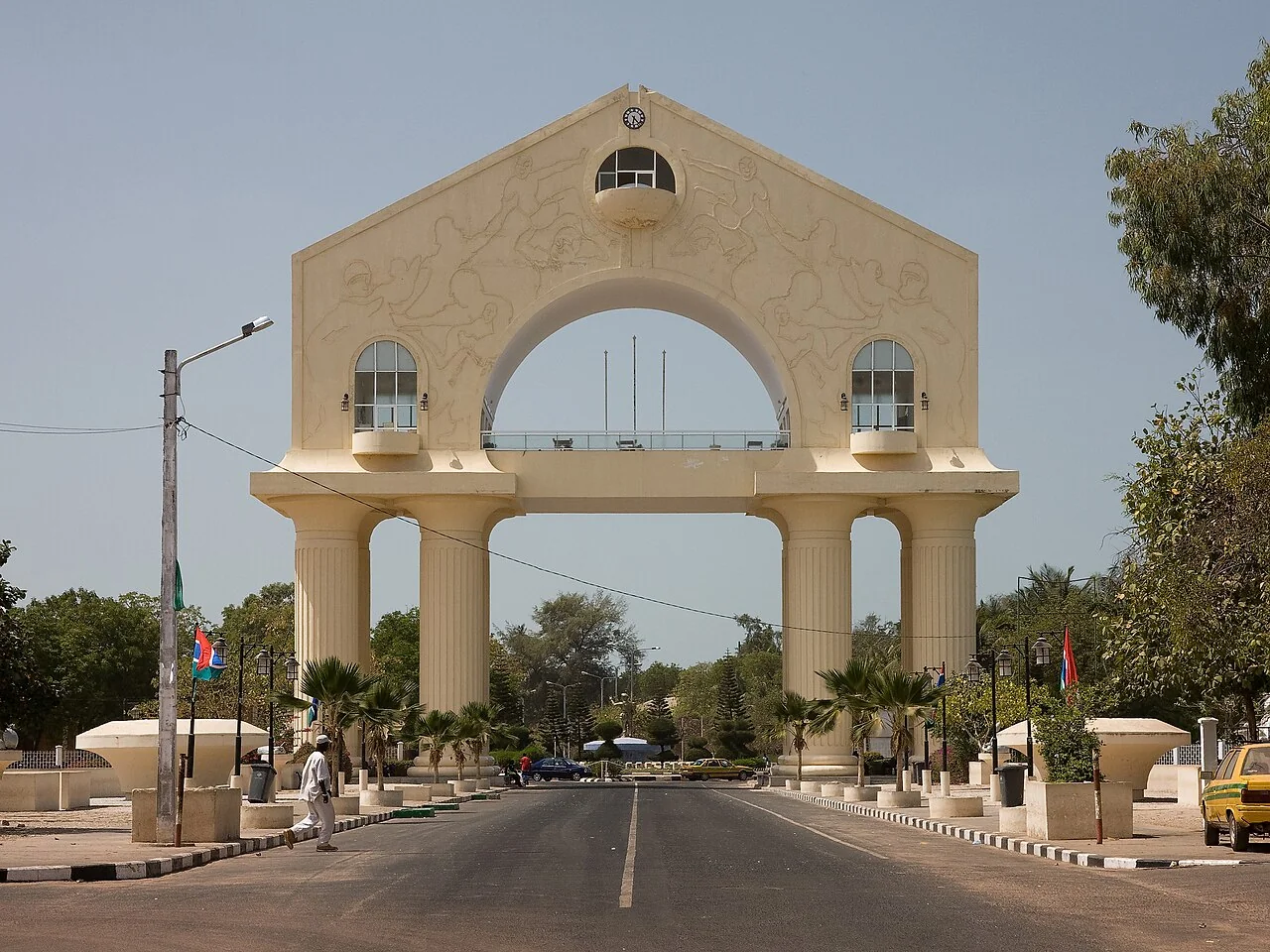
Banjul and the coast
Banjul’s landmarks and nearby coastal communities make an introduction to The Gambia that can combine city life, markets and time by the Atlantic.

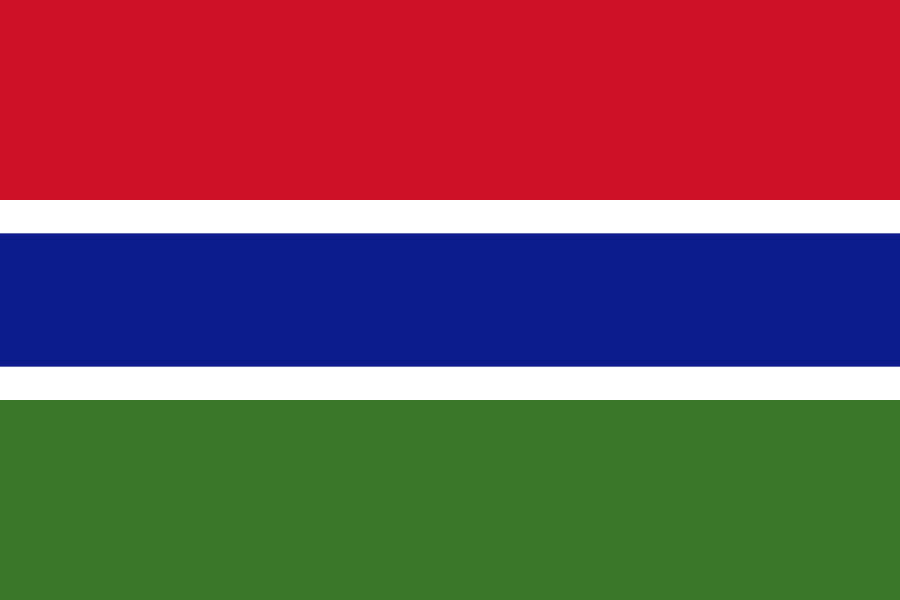 West AfricaAvailable
Republic of The Gambia
A compact, English speaking coastal country where the beach, the river and the heritage sites are all within a short drive of each other.
We coordinate visits here now.
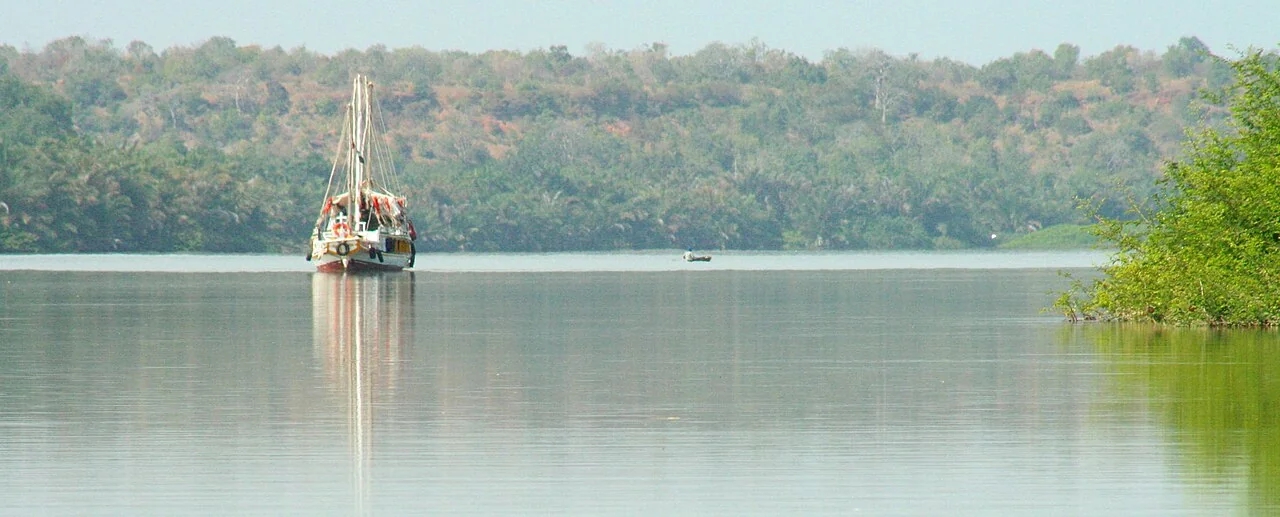
Banjul’s landmarks and nearby coastal communities make an introduction to The Gambia that can combine city life, markets and time by the Atlantic.
The River Gambia reaches far beyond the coastal hotel areas. Riverside settings, birdwatching and cultural heritage offer several directions for a visit built around your interests.
Explore the sourceWritten from official sources and reviewed August 2026. Where a claim could not be settled, it is not here.
The Gambia is small in a way that shapes the whole visit. The country follows the River Gambia inland and is surrounded by Senegal on three sides, so the coast, the river and the heritage sites sit within a couple of hours of each other rather than a couple of days. A week here covers ground that would take a fortnight elsewhere.
English is the official language, which removes a layer of friction for visitors from the UK, the US and anglophone Africa, and makes it unusually straightforward as a first visit to West Africa.
Two things bring people here specifically. The coast around Kololi, Kotu and Bakau has an established tourism sector with European seasonal demand. And Kunta Kinteh Island, inscribed by UNESCO in 2003 for its role in the transatlantic slave trade and in its abolition, together with the Stone Circles of Senegambia inscribed in 2006, gives the country a heritage and roots-travel significance that goes well beyond its size.
This is not a wilderness destination and we will not present it as one. It is a coastal, riverine and cultural one, with a real business travel case attached because Banjul is a working capital with a port and an investment promotion agency.
What this destination suits
Banjul and the Kanifing area carry the country’s business activity, and the Gambia Investment and Export Promotion Agency is the point of contact for investment enquiries. Distances are short, so a business itinerary and a few days on the coast fit comfortably into one trip. This is one of the easier markets in the region to combine business with leisure, and we plan it that way rather than as two separate visits.
The capital, on an island at the river mouth. Government, the port, and the National Museum. Small and quickly covered.
The largest urban area and the commercial centre. Markets, everyday life, and most of the country’s business activity.
The established coastal tourism area, with the greatest concentration of hotels, restaurants and services.
Older coastal districts, quieter than Kololi, with the botanical garden and craft markets.
Inscribed by UNESCO in 2003. The island and associated sites document the transatlantic slave trade along the River Gambia and its abolition, and are the focus of most roots and diaspora travel here.
Inscribed by UNESCO in 2006. Four groups of megalithic circles along the River Gambia, two of them in The Gambia at Wassu and Kerbatch, dated by excavation to between the third century BC and the sixteenth century AD.
A short, useful orientation to the country’s history before travelling upriver.
Serrekunda market and the coastal craft markets, best visited with someone who can explain what is being sold and to whom.
The river is the country’s spine and the main way to reach the upriver heritage sites. Birdlife along it is the principal natural draw.
The Gambia is a long-established birdwatching destination, with the season concentrated in the northern winter.
The established resort coast, with the widest range of accommodation and the shortest transfers from the airport.
Quieter beaches south of the main strip, with fewer services and longer transfers.
Arrival and gateways
The single international air gateway, about 25km from the coastal hotel area. European seasonal charter and scheduled traffic.
Ground transport is by road, and the country is small enough that most journeys are under three hours. Upriver travel combines road with boat. There is no domestic scheduled air network worth planning around. Because Senegal surrounds The Gambia on three sides, any overland routing to or from Dakar crosses an international border, and that crossing needs to be planned rather than assumed.
The dry season, roughly November to May, carries the established European visitor season and the best conditions for birdwatching and river travel. The rains, roughly June to October, bring humidity, heavier vegetation and reduced service availability in the coastal resort area. Plan a heritage or river itinerary in the dry months.
Entry arrangements vary by nationality and include visa-free entry for a number of countries, a visa on arrival route at Banjul International Airport, and an online application for other nationalities. A yellow fever vaccination certificate is required. Requirements, fees and eligibility change without notice and are not published here for that reason. Confirm your own position with a Gambian diplomatic mission before booking.
Official portalWe can help you work out what applies to you and prepare the application.
Ask about visa and entry supportGovernment advisories, attributed and dated. Where two governments disagree, both are published. Read them alongside your own government’s current advice, and note that travelling against it can invalidate your insurance.
Level 2: Exercise Increased Caution
Increased caution because of crime, unrest and health infrastructure. Petty street crime and burglary are noted in the Banjul area and in tourist locations, and sporadic fighting is reported along the southern border with Senegal.
Areas we do not plan travel to
As stated 2026
Travel conditions, entry requirements and government advisories change faster than any website. Everything here carries the date it was reviewed. Before you travel, check your own government’s current advice and confirm entry requirements with the relevant diplomatic mission.
Hotel options around your meetings, preferred comfort and budget, with booking arrangements agreed before arrival.
Book Consultation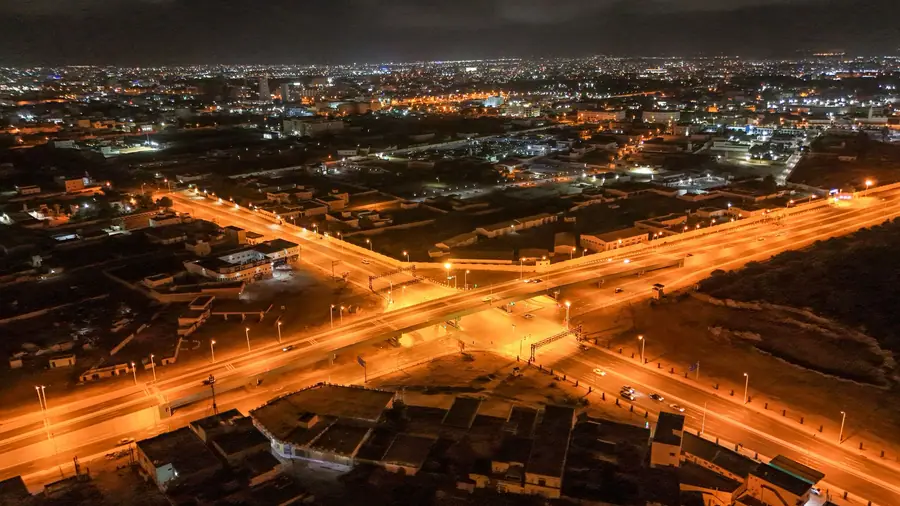
Airport pickup, a vehicle with a driver, and transport between meetings or sites, planned around your itinerary.
Book Consultation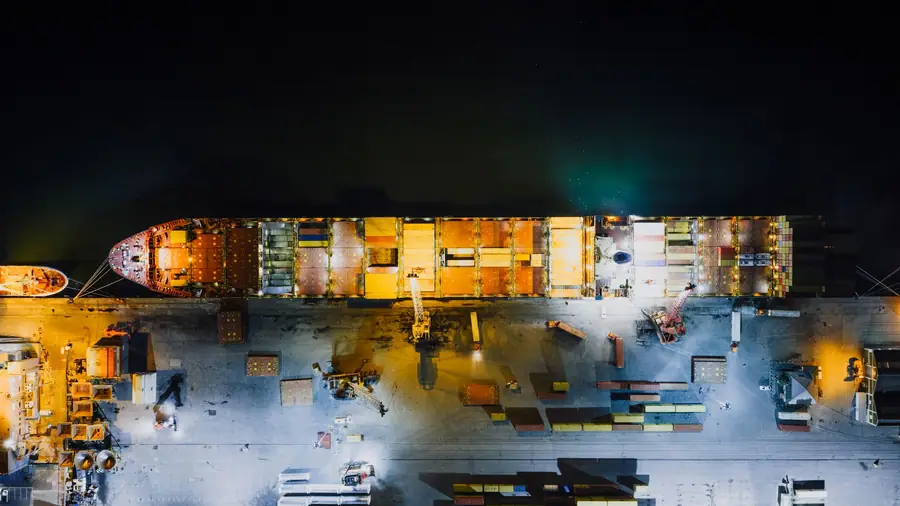
Coordination with appropriately licensed security providers when requested, with the scope and availability confirmed for your visit.
Book Consultation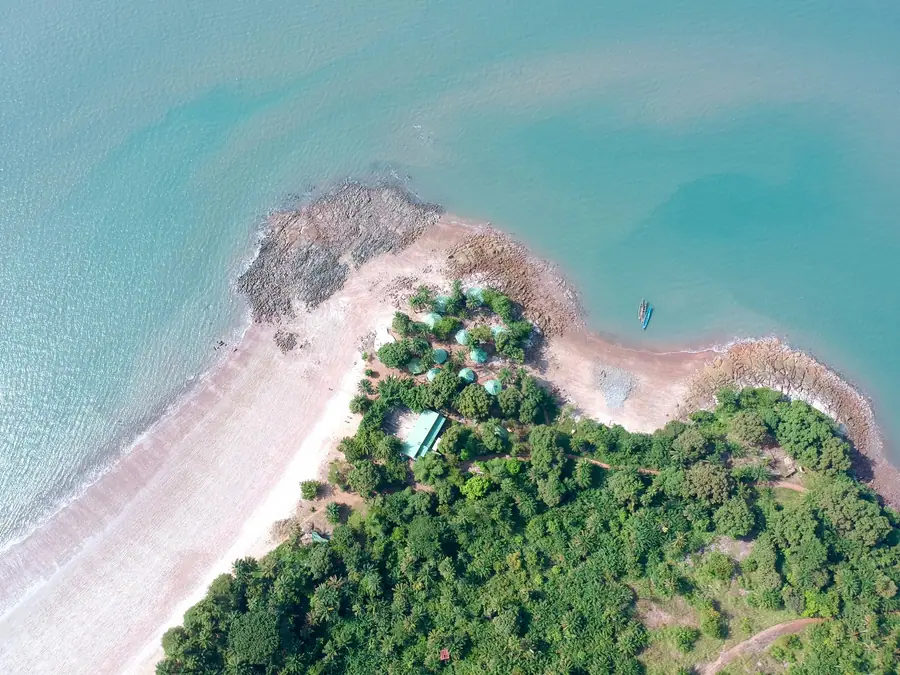
Local orientation, guides and language support, so your time in the country has context and a point of contact.
Book ConsultationYour hotel, vehicle, providers, scope and costs are confirmed before booking.
Tourism authorities, immigration and airport authorities, parks authorities, UNESCO and government travel advisories. Marketing copy was not used as evidence for anything, and travel blogs were not used at all.
Travel status last reviewed August 2026. Next review February 2027.