
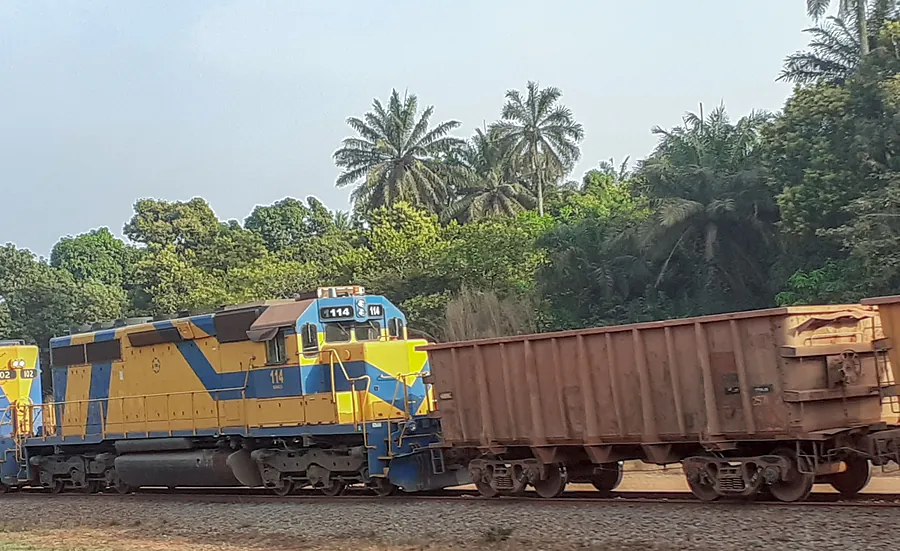
Bauxite, Iron Ore and a Country Building Out.
Guinea holds the world’s largest bauxite reserves and has opened the Simandou iron ore corridor. On that base, the Simandou 2040 programme sets out 122 projects in farming, power, transport, digital, health and industry, and asks private partners to join from the design stage.
- 7.4bn t
Bauxite reserves, at 40 to 50% alumina
Investor’s Guide 2026
- 6,000 MW
Hydropower potential, about 1,100 MW installed
Investor’s Guide 2026
- 122
Projects in the Simandou 2040 programme
Simandou 2040 Programme
- 7.2%
GDP growth in 2025, World Bank figure
Investor’s Guide 2026
A Mining Economy, Widening Its Base.
Mining earns most of Guinea’s exports. The government’s plan is to use that income, and the Simandou corridor, to build power, farming, industry and services around it.
- 14.4m
- Population, 2025 Investor’s Guide 2026
- 85%+
- Share of exports from mining Investor’s Guide 2026
- 3.7%
- Inflation, central bank figure Investor’s Guide 2026
- B+
- S&P rating, outlook raised to positive in March 2026 Simandou 2040 Programme
- US$4.1bn
- Foreign exchange reserves, end 2025 Simandou 2040 Programme
- 13m ha
- Arable land, of which 38% is farmed Investor’s Guide 2026
The world’s largest bauxite reserves
About 7.4 billion tonnes of reserves at 40 to 50% alumina, and roughly a quarter of the world’s total. Bauxite is the main export and the main source of foreign currency.
An iron ore corridor in place
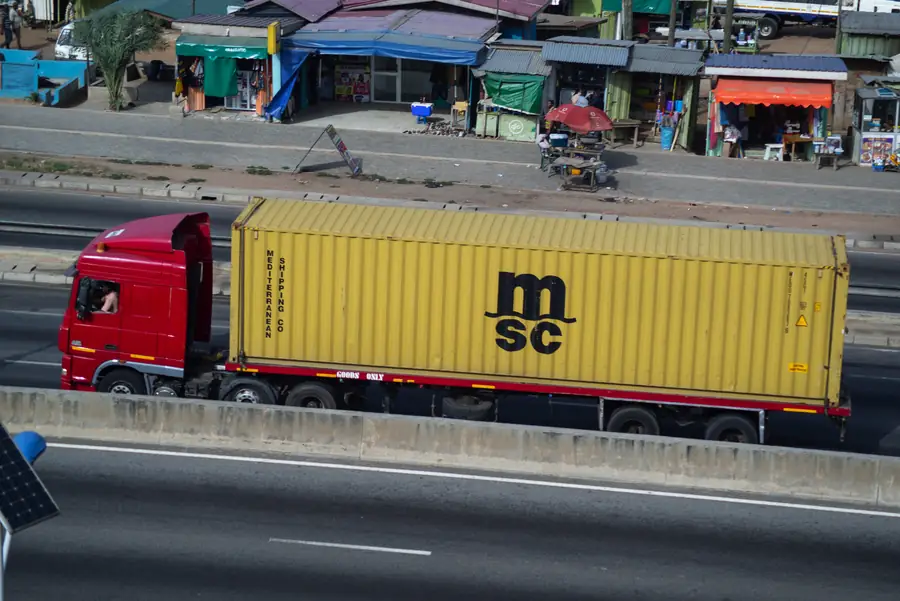
Simandou joins a large iron ore deposit to the coast by more than 650 km of railway and a new deep-water port. The programme lists the corridor as complete or at an advanced stage.
Rivers for power and farming
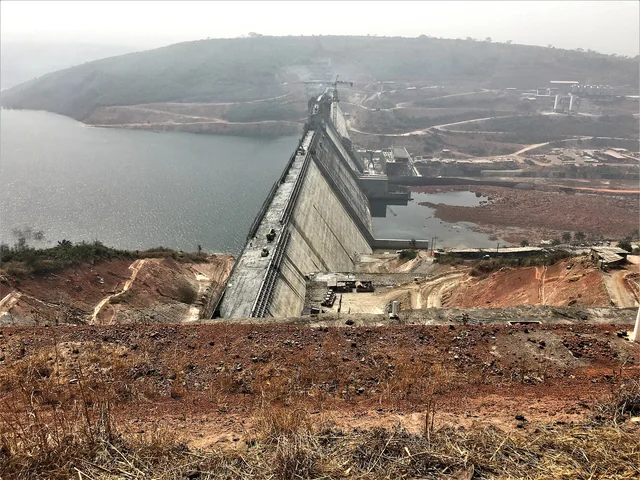
Some 1,165 rivers across 23 watersheds give an estimated 6,000 MW of hydro potential, most of it unused, and water for irrigation.
Land to farm
About 13 million hectares of arable land, with only 38% in use. Agriculture is around 30% of GDP and employs about half the working population.
Open to foreign capital
The Investment Code allows full foreign ownership outside the media, free transfer of profits and capital, and international arbitration.
One entry point for programme projects
The Guinean Development Board is the investor entry point for Simandou 2040, with a delivery unit at the top of government.
The Simandou 2040 Projects, Sector by Sector.
The government published these as selected opportunities in its national programme, with more than US$200 billion planned over fifteen years and US$65 billion in the first phase to 2030. Each line is a title, not yet a priced project: the sites, terms and stage are worked out with the Guinean Development Board.
- Open to investors A project its promoter presents as seeking investors or partners.
- Programme A national programme with packages still to define and finance.
27 opportunities
 MiningOpen to investors
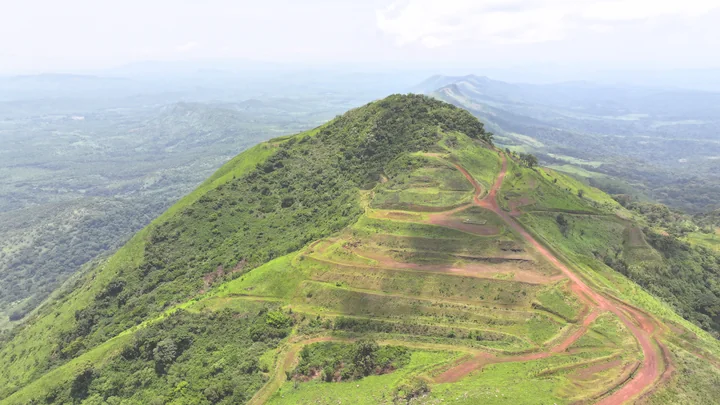
Critical minerals exploration
Nationwide
Exploration to confirm known resources, find new deposits and assess strategic minerals beyond bauxite, iron ore and gold.
- Stage
- Listed by the programme; amount and structure not yet published
 IndustryOpen to investors
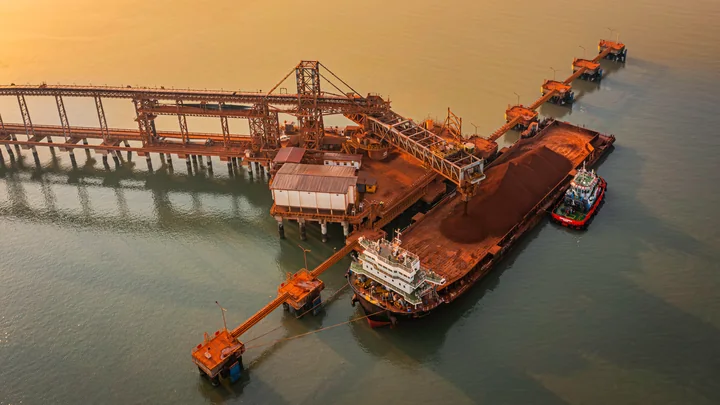
Steel plant, 4 million tonnes a year
Site not yet published
A steel plant sized at four million tonnes a year, the programme’s main downstream use of Simandou iron ore.
- Stage
- Listed by the programme; amount and structure not yet published
 IndustryOpen to investors
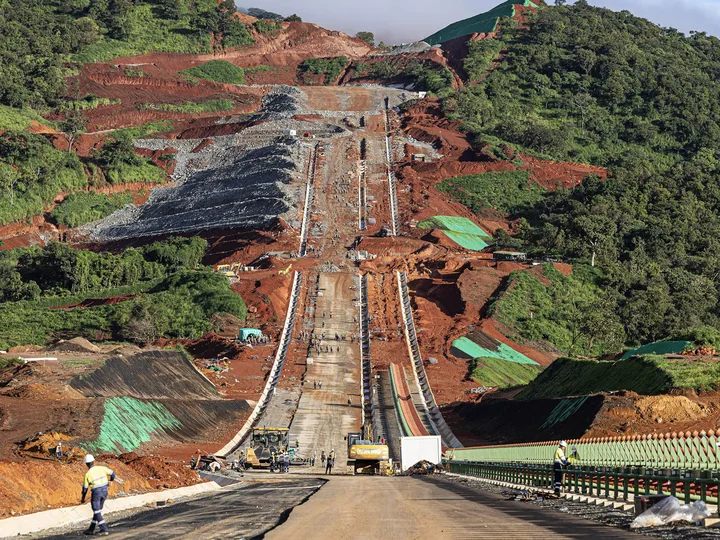
Three industrial zones and new cities
Along the Simandou mining corridor
New urban centres and three industrial zones, with industrial parks along the railway corridor between the mines and the coast.
- Stage
- Listed by the programme; amount and structure not yet published
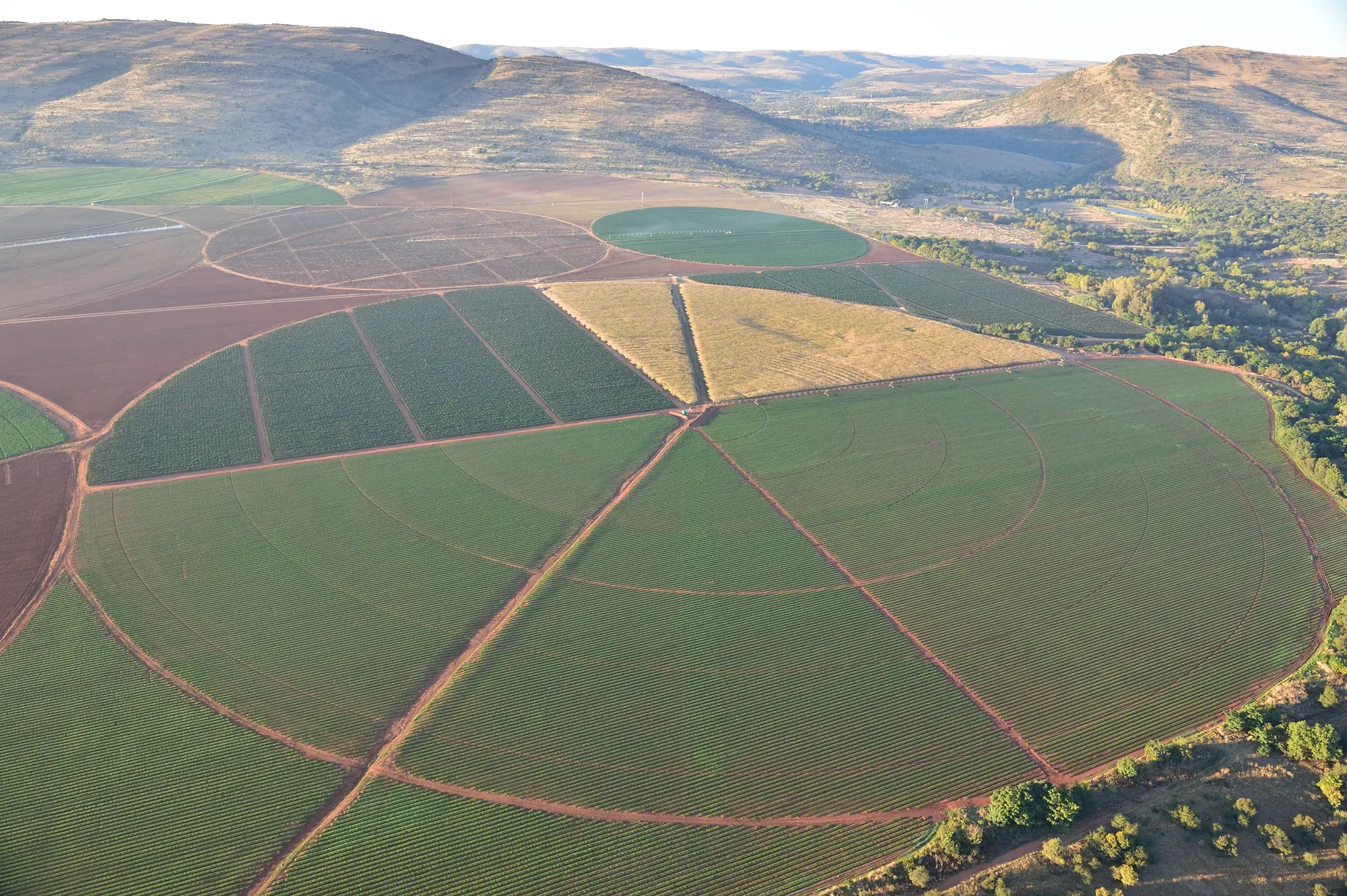 AgricultureOpen to investors
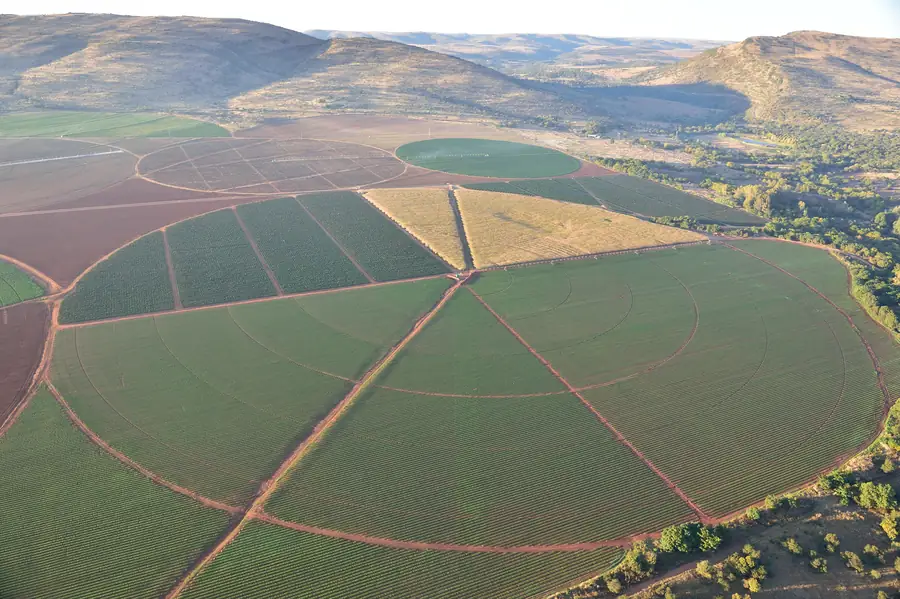
Irrigation of 150,000 hectares of plains
Plains not yet named
Hydro-agricultural development of 150,000 hectares, the largest single farming line in the programme.
- Stage
- Listed by the programme; amount and structure not yet published
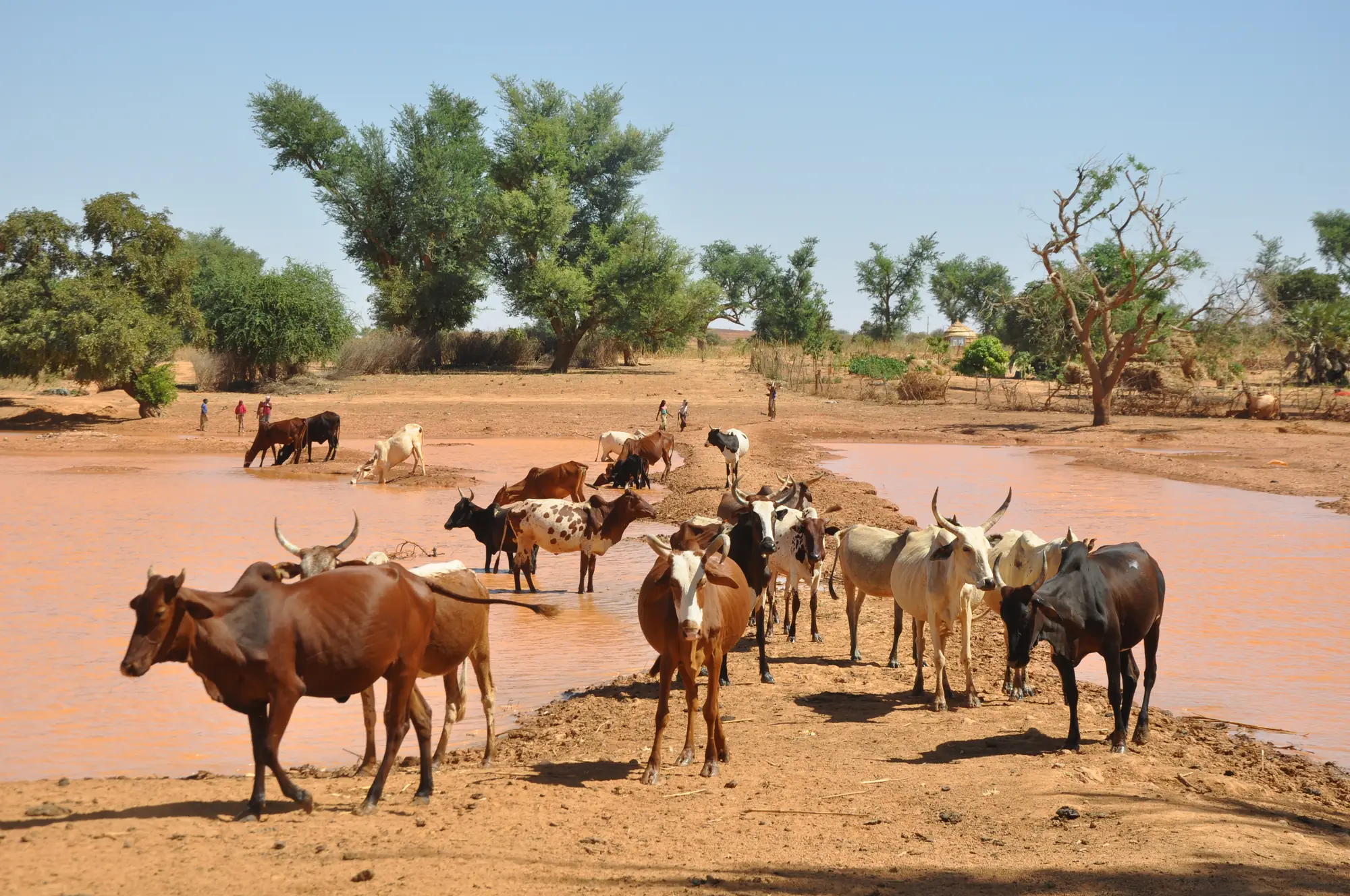 AgricultureOpen to investors
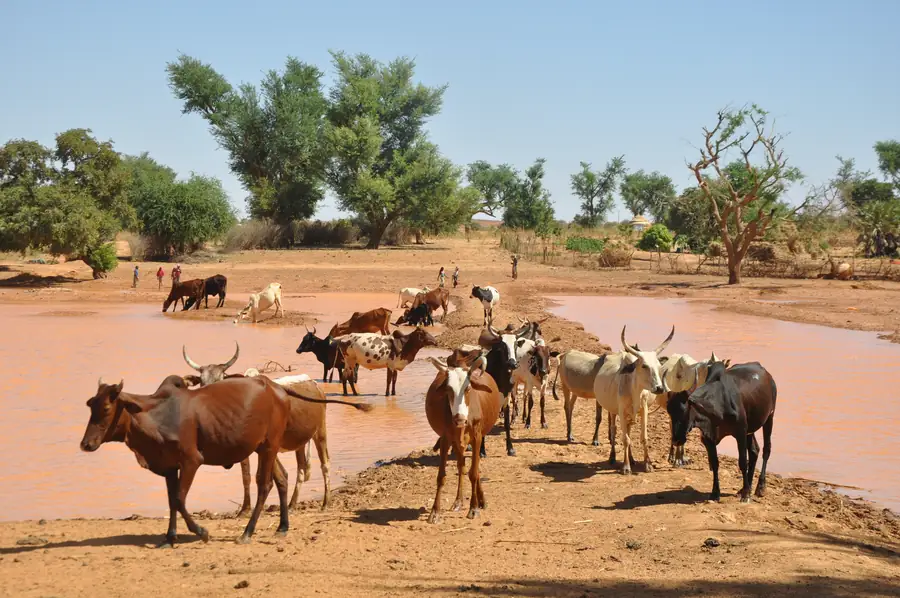
Modern livestock and poultry slaughterhouses
Regional capitals
A network of modern slaughterhouses for livestock and poultry, aimed at food security and formal meat supply.
- Stage
- Listed by the programme; amount and structure not yet published
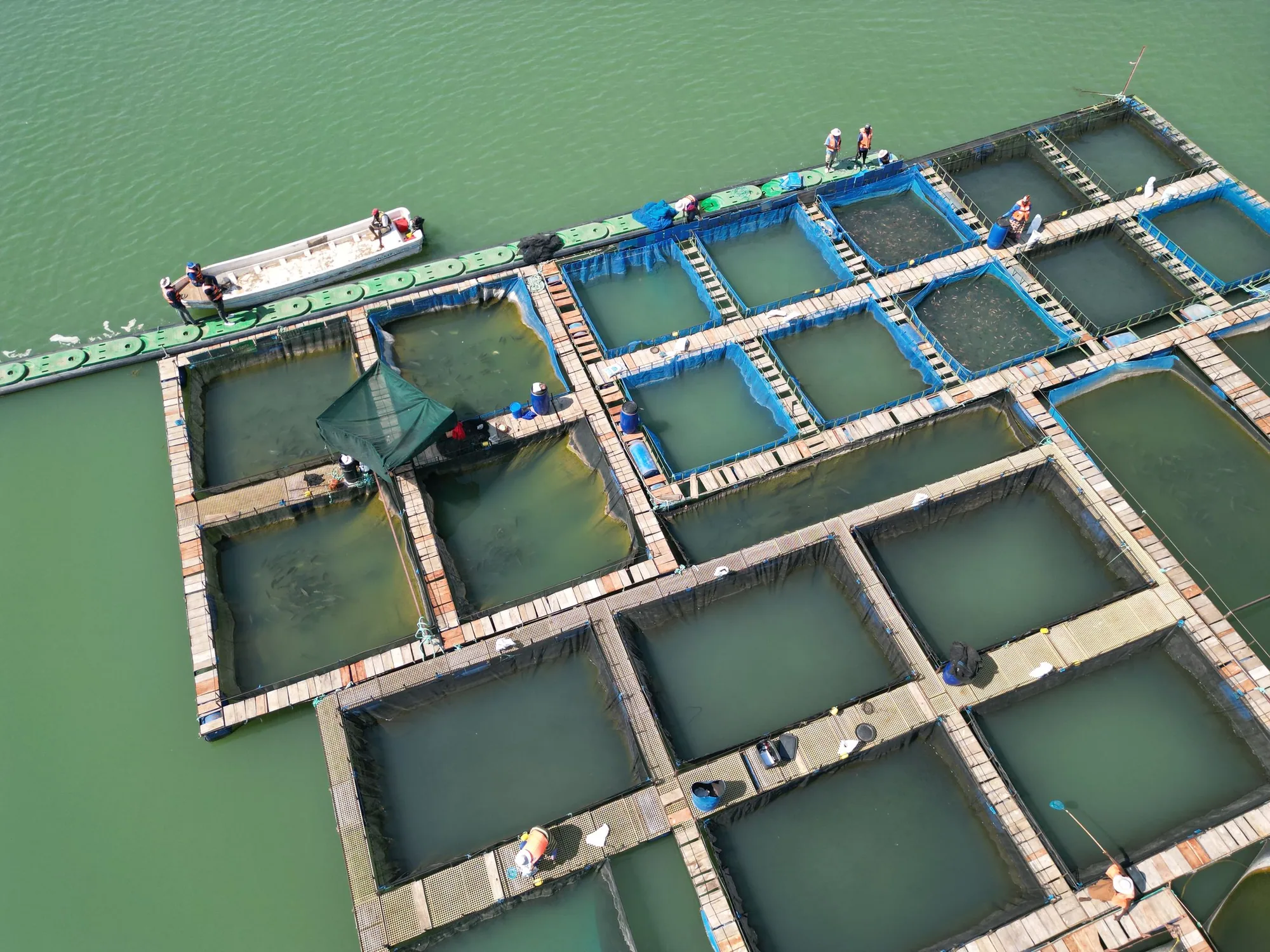 FisheriesOpen to investors
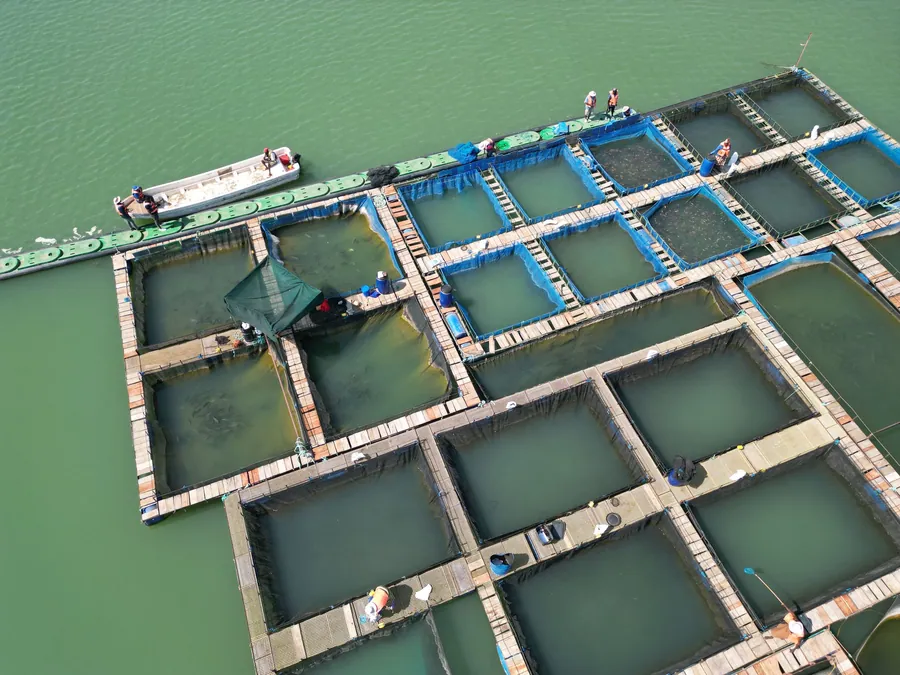
Two integrated aquaculture hubs
Strategic sites not yet named
Two hubs combining fish farming with the services around it, as part of the programme’s food security pillar.
- Stage
- Listed by the programme; amount and structure not yet published
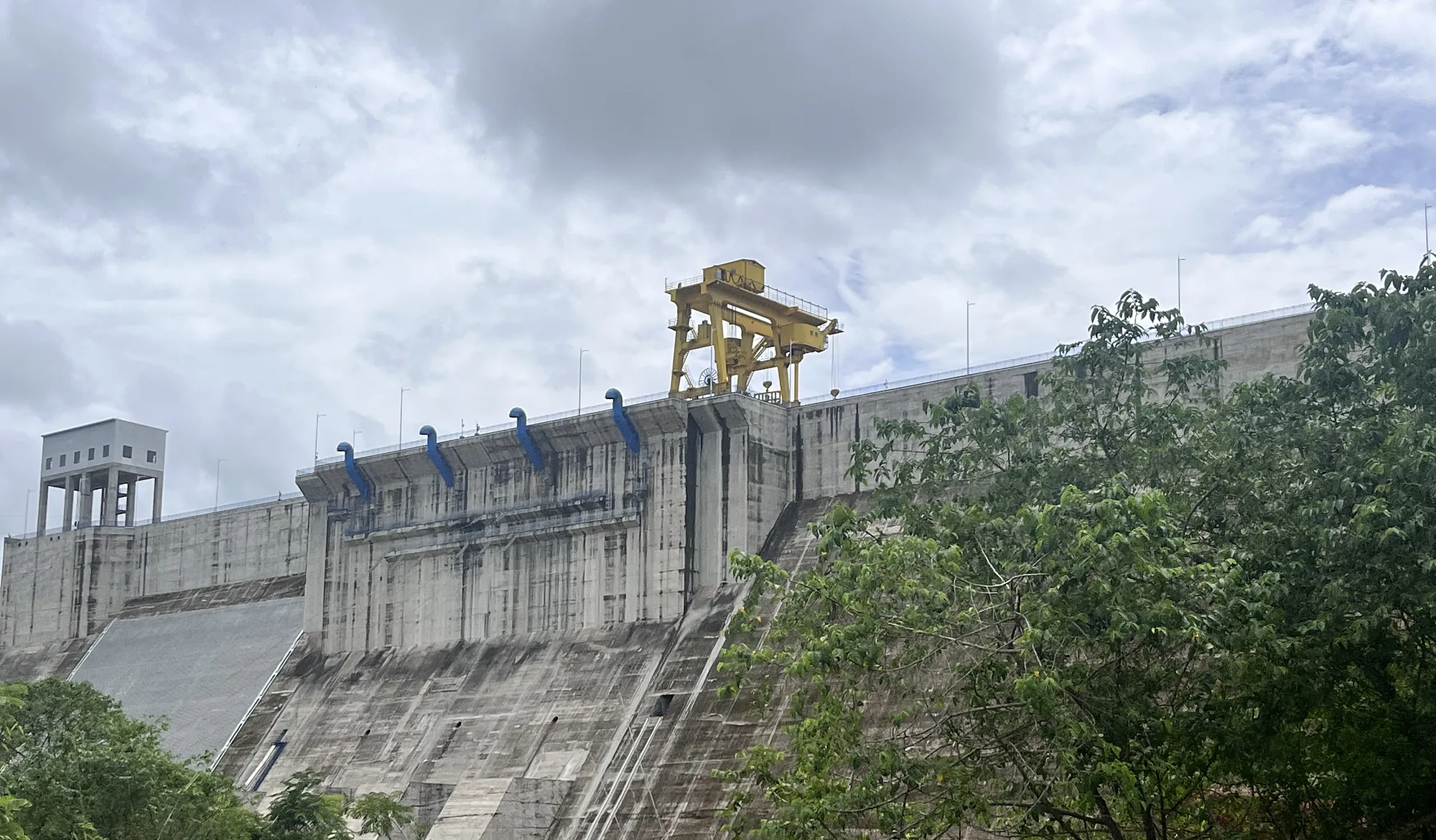 EnergyProgramme
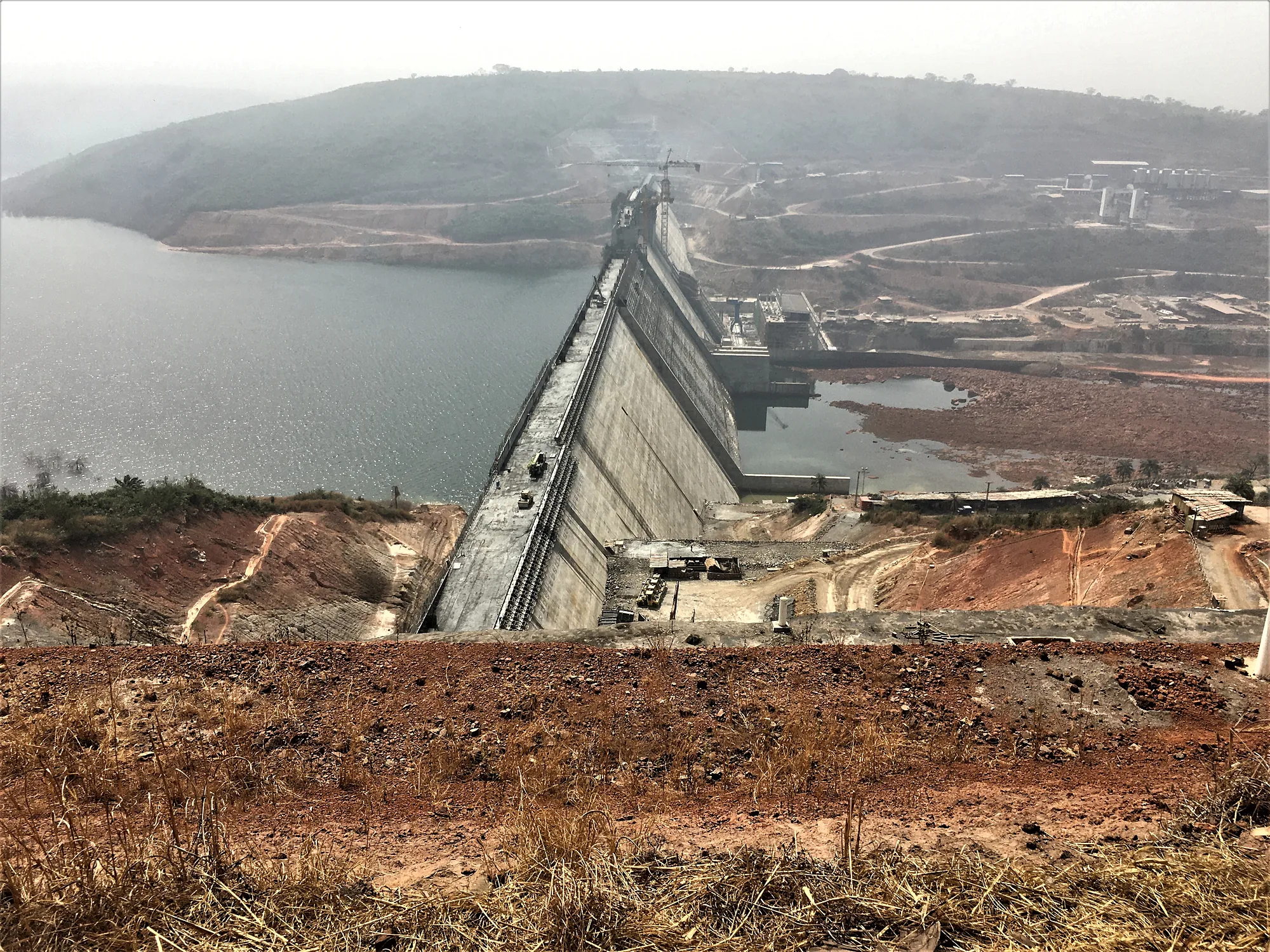
Hydropower plants and distribution networks
Konkouré basin and other river systems
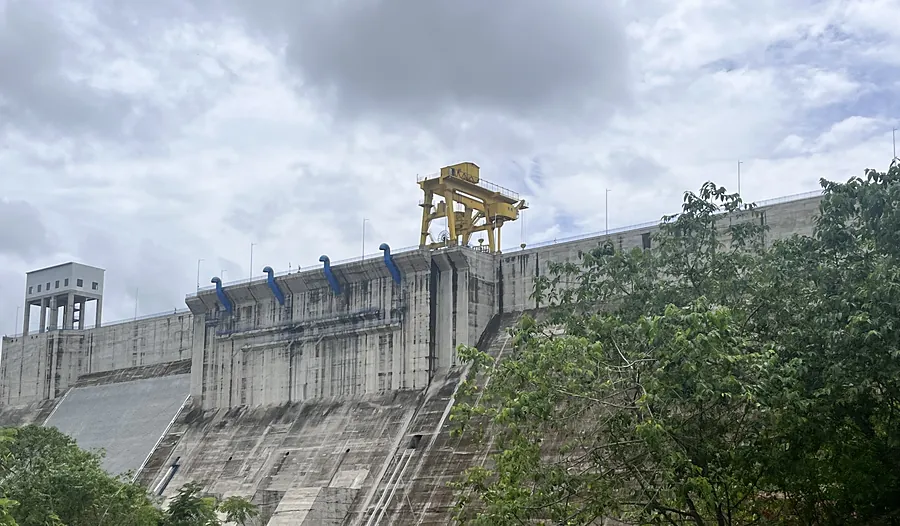
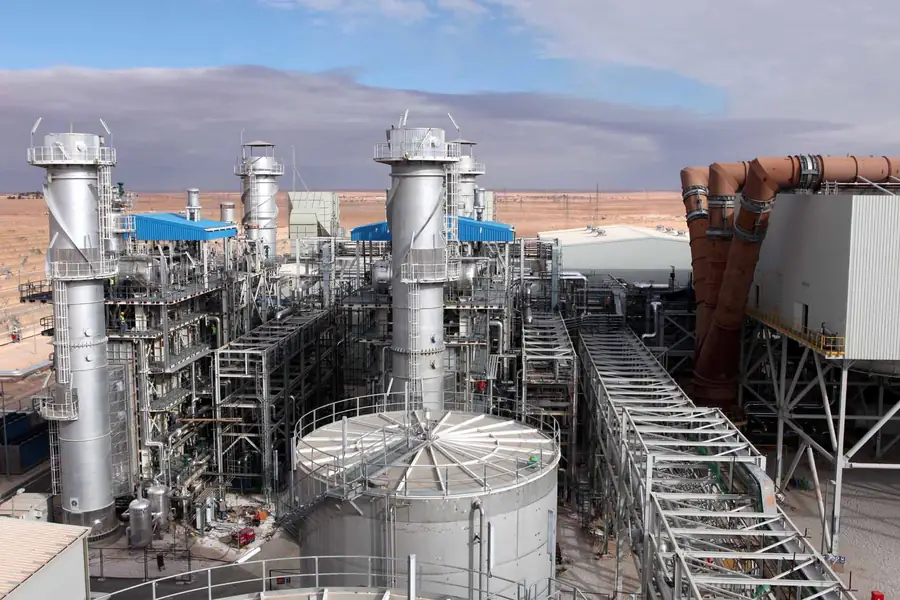
Power plant and distribution projects being structured as public-private partnerships, drawing on an estimated 6,000 MW of hydro potential.
- Stage
- Being structured as PPPs
 EnergyProgramme
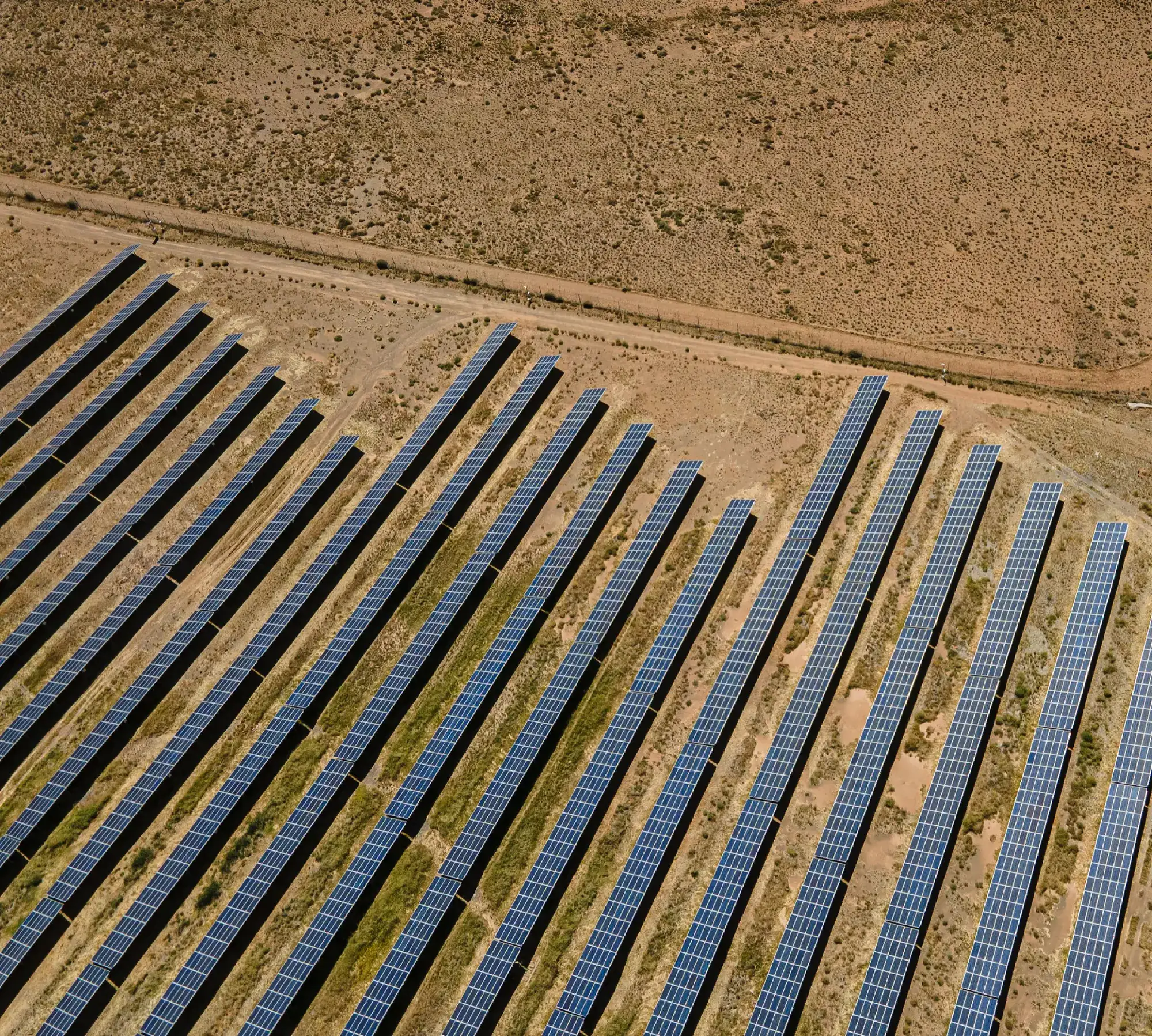
Expansion to about 4,000 MW by 2030
Nationwide
The programme’s target for installed power capacity by 2030, roughly four times what is installed today.
- Stage
- National target
 EnergyOpen to investors
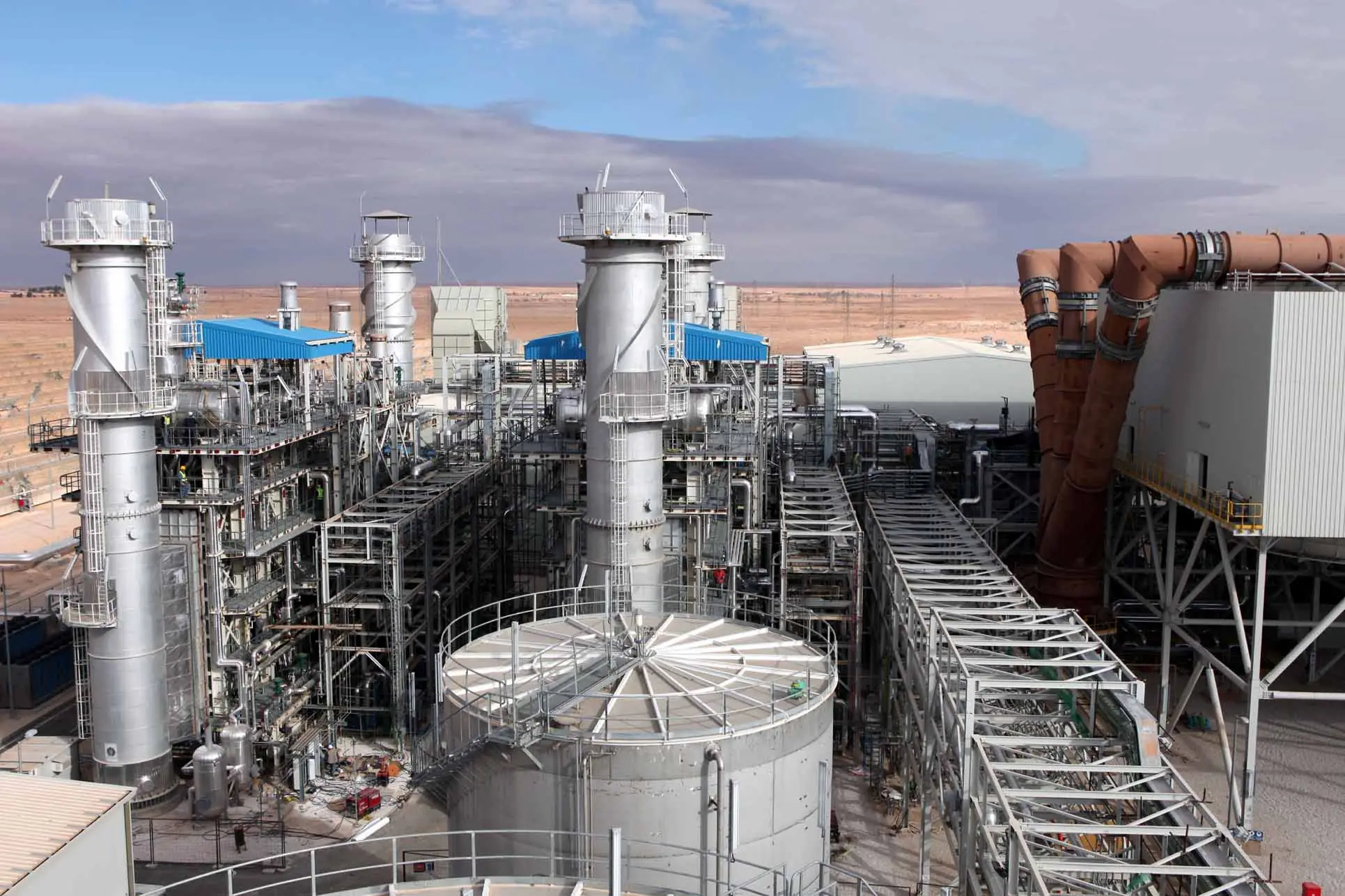
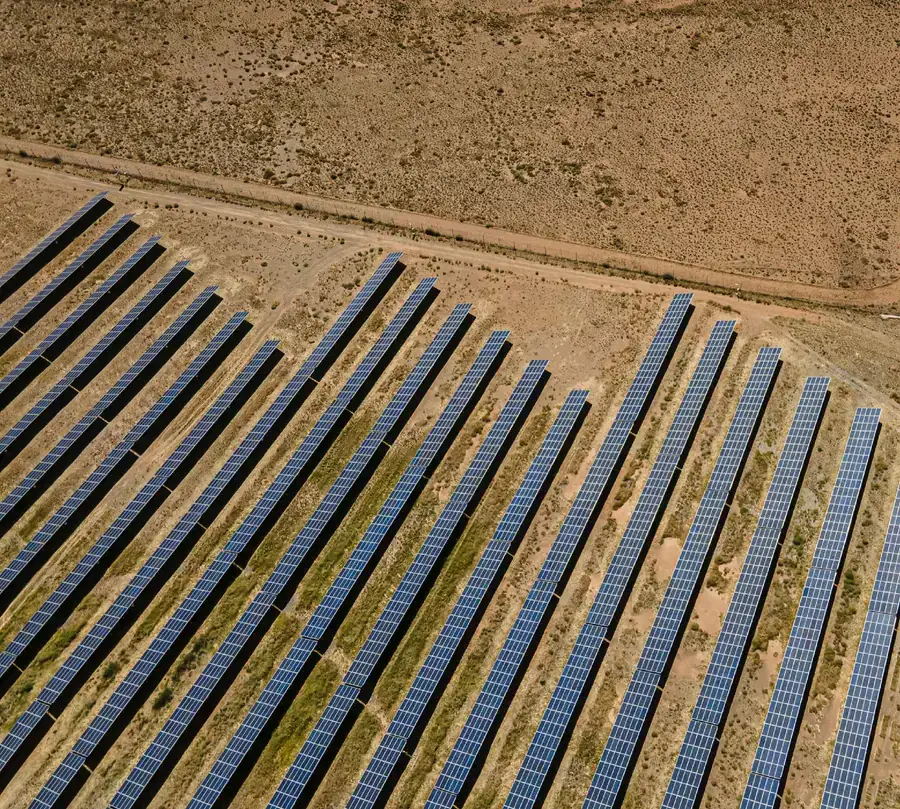
Solar photovoltaic plants, 120 MW
Sites not yet published
Utility solar capacity to complement the hydro fleet, which is strong in the rainy season and weaker in the dry months.
- Stage
- Listed by the programme; amount and structure not yet published
 EnergyOpen to investors
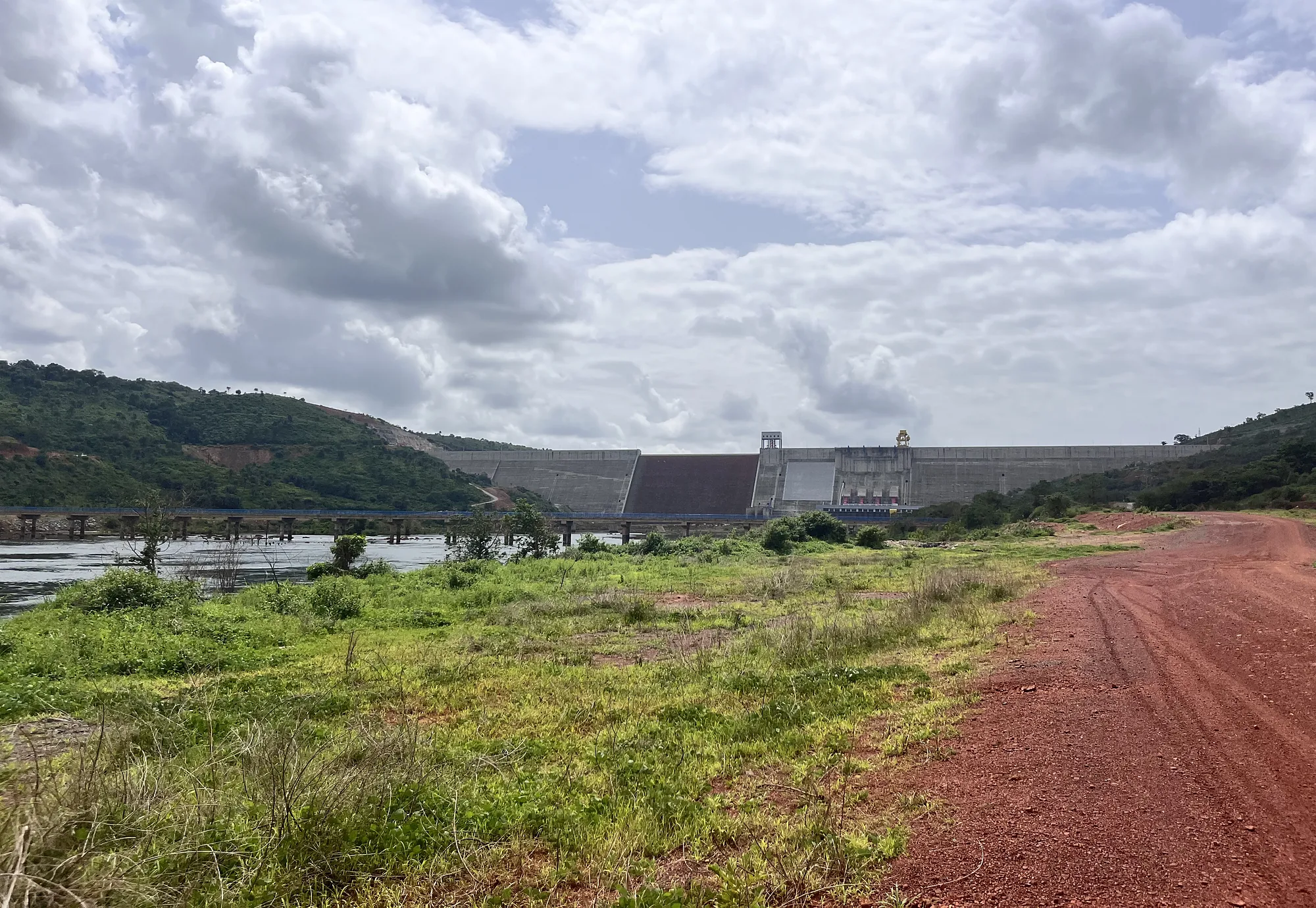
Fuel import, storage and distribution plan
Nationwide
A national master plan for hydrocarbon logistics, with new storage depots and the rehabilitation of existing ones.
- Stage
- Listed by the programme; amount and structure not yet published
 EnergyOpen to investors
Seismic survey of the onshore basins
Onshore sedimentary basins
Preliminary studies, then broad 2D seismic, then targeted 3D, to assess the oil and gas potential of Guinea’s onshore basins.
- Stage
- Listed by the programme; amount and structure not yet published
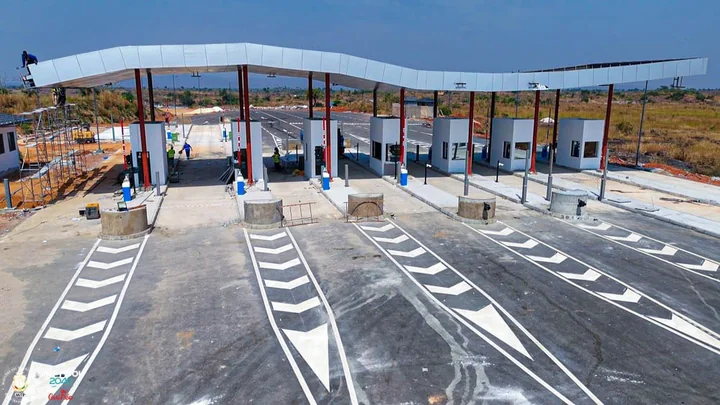 InfrastructureProgramme
National roads, part of a 2,900 km highway plan
Nationwide
Construction and paving of national roads within a programme of about 2,900 km of highways.
- Stage
- National programme
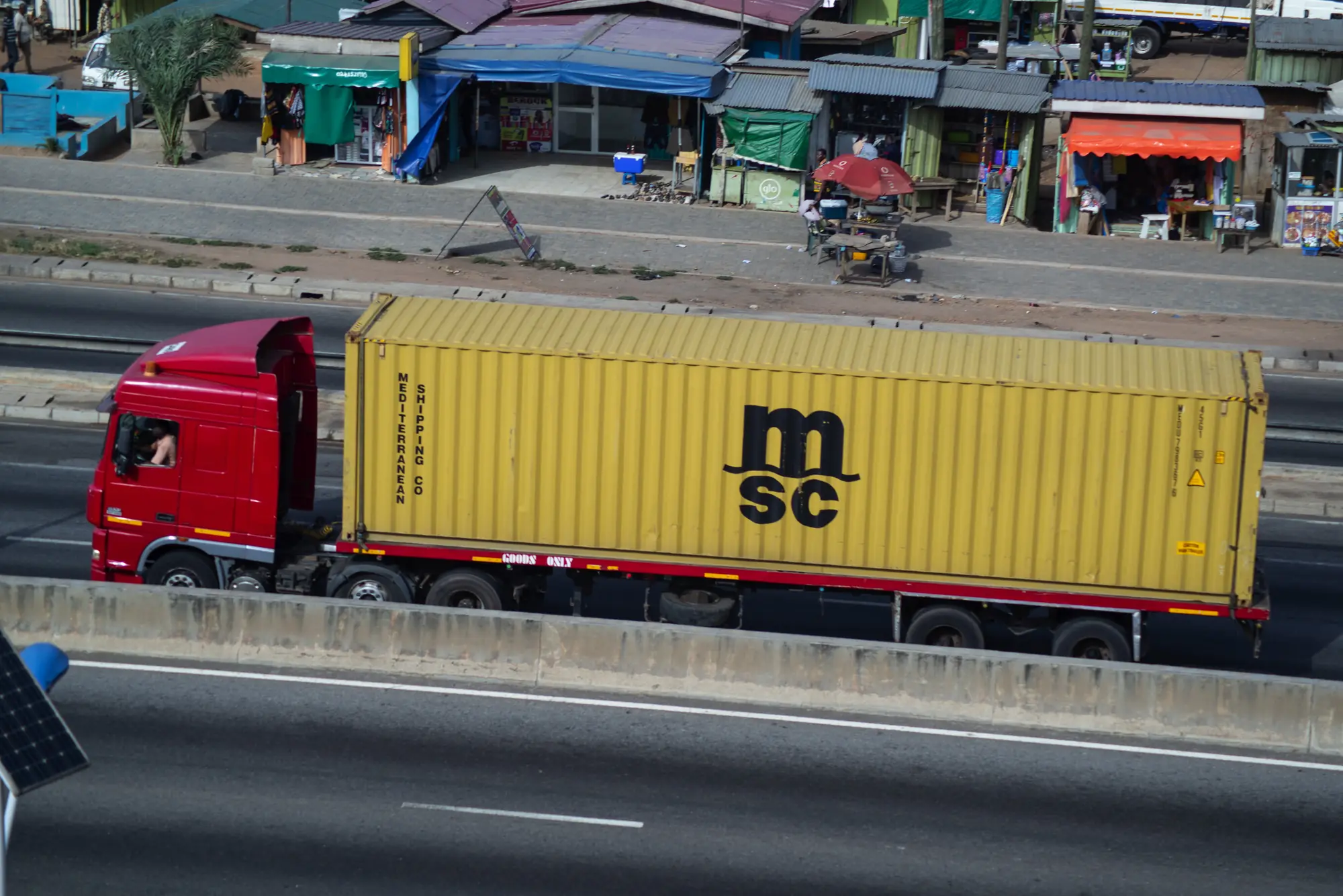 InfrastructureOpen to investors
Guinea to Senegal road corridor
Northern Guinea to the Senegal border
A regional road corridor linking Guinea with Senegal, part of the wider highway plan.
- Stage
- Listed by the programme; amount and structure not yet published
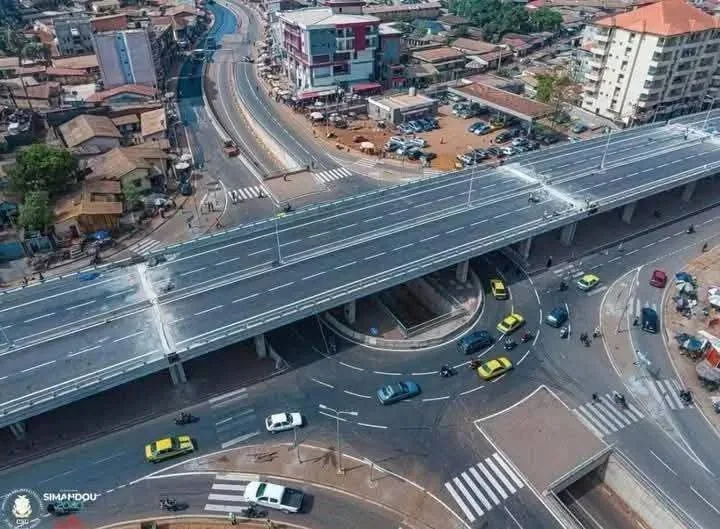 InfrastructureOpen to investors
Urban mass transit: metro, BRT and monorail
Major cities, led by Conakry
Metro, bus rapid transit and monorail systems for the cities, where most commercial activity is concentrated.
- Stage
- Listed by the programme; amount and structure not yet published
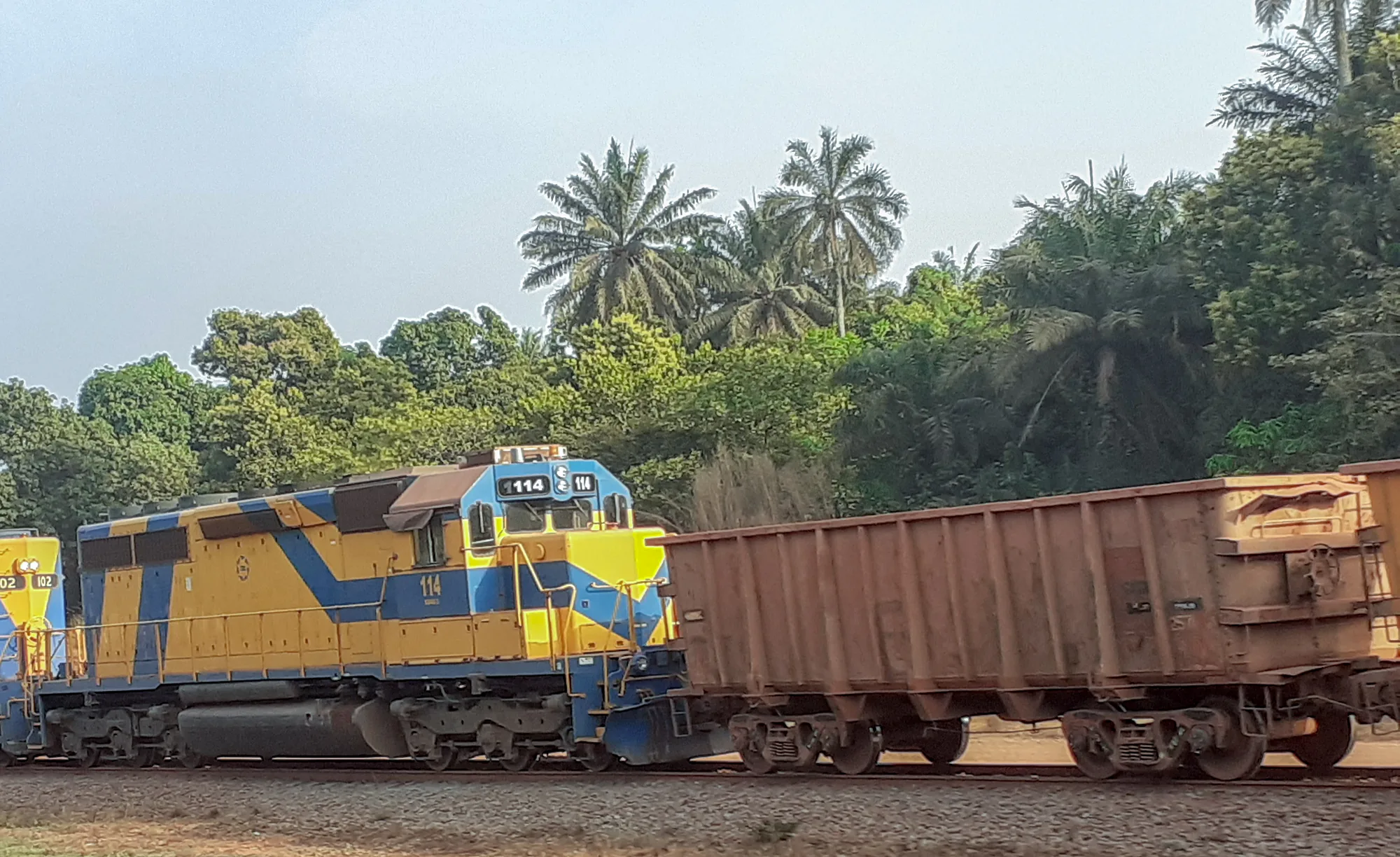 InfrastructureOpen to investors
Passenger rail and regional links
National network
Development of the rail network for passengers and regional connections, alongside the Simandou freight line.
- Stage
- Listed by the programme; amount and structure not yet published
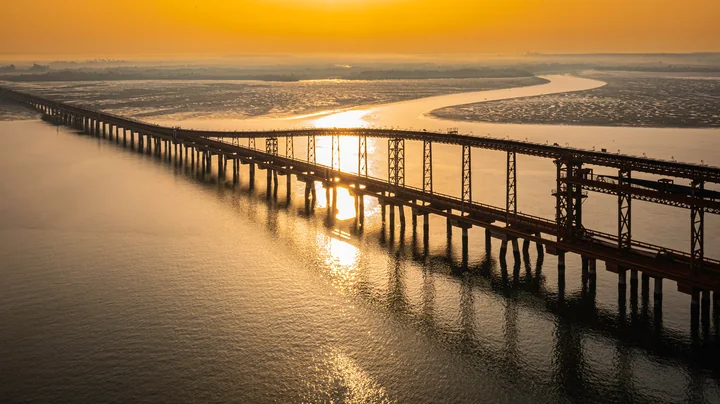 InfrastructureProgramme
Kamsar and Conakry port modernisation
Kamsar, Conakry and the Simandou axis
Upgrading the two main ports and their rail and road links to the Simandou corridor. Work is under way; which parts remain open to private partners is to be confirmed.
- Stage
- Under way
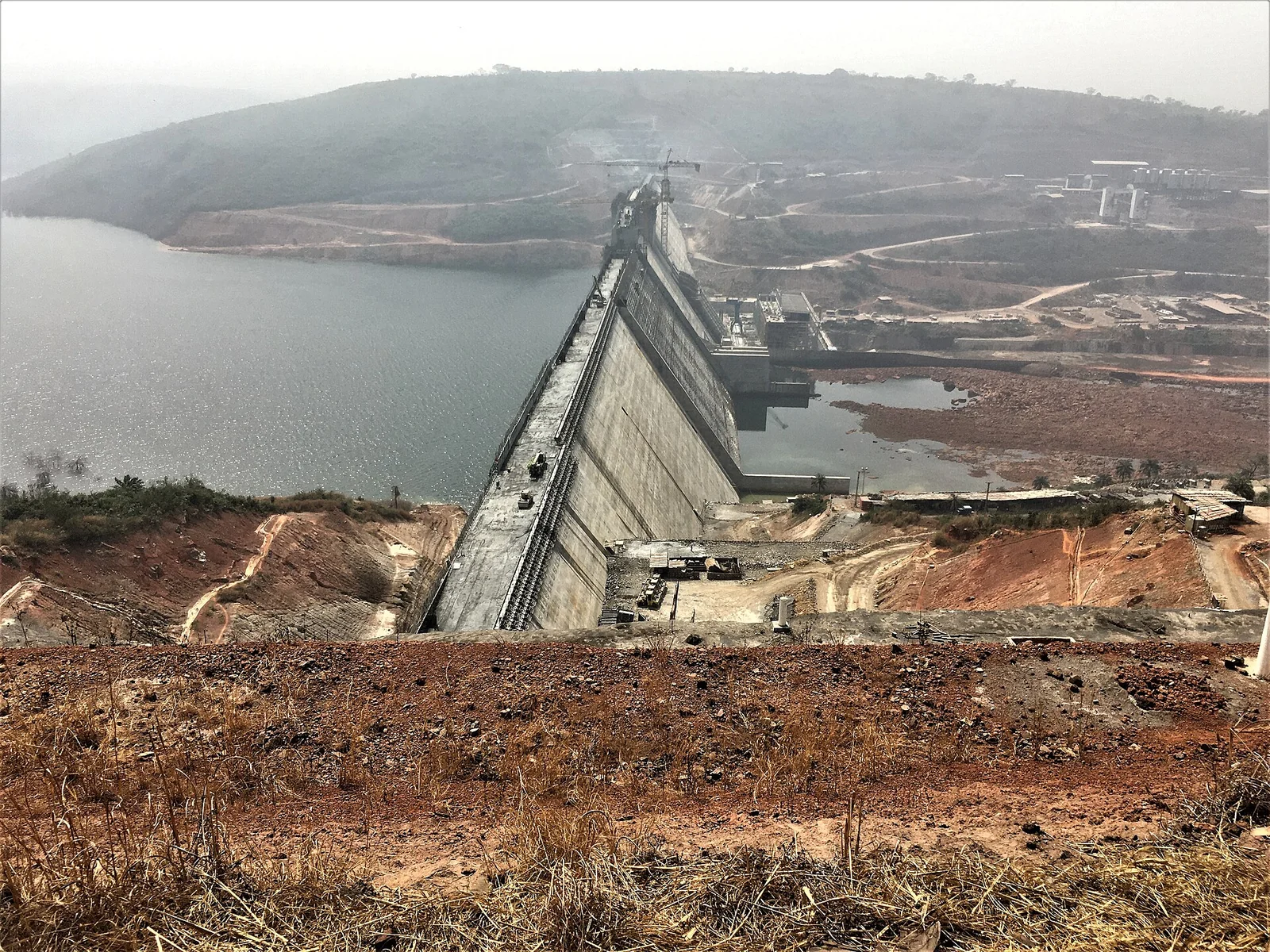 WaterOpen to investors
Drinking water in seven regional capitals
The seven regional capitals
Strengthening drinking water supply systems in the regional capitals outside Conakry.
- Stage
- Listed by the programme; amount and structure not yet published
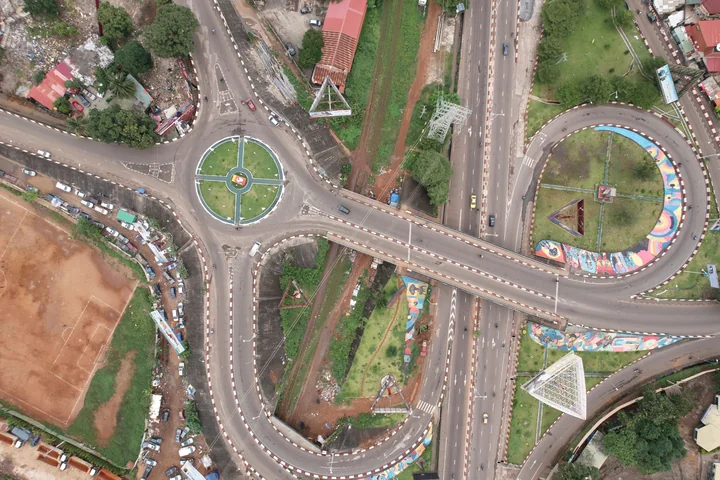 InfrastructureOpen to investors
Urban waste: landfills, sorting and methanisation
Major cities; methanisation plant in Conakry
Solid waste landfills, transfer and sorting centres, and a methanisation and composting plant in Conakry that turns waste into energy.
- Stage
- Listed by the programme; amount and structure not yet published
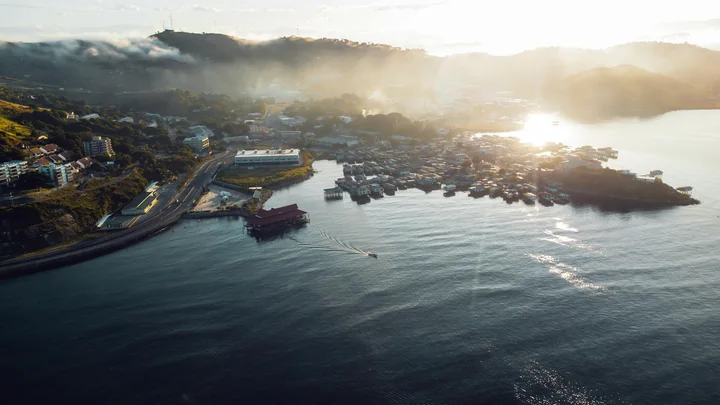 DigitalOpen to investors
New submarine cables and landing stations
Coast and land borders
New international cable connections, landing stations and land links to neighbouring countries.
- Stage
- Listed by the programme; amount and structure not yet published
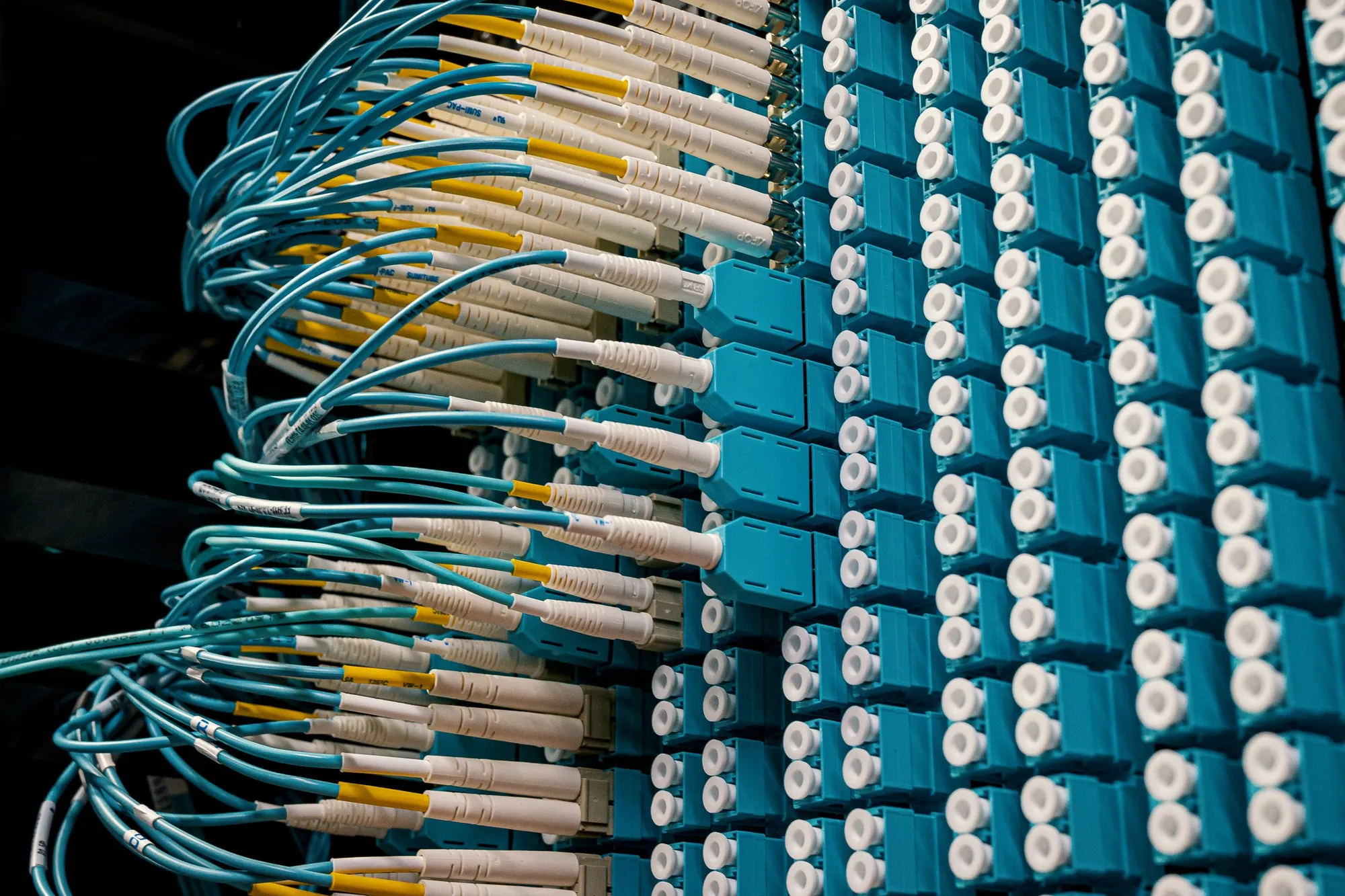 DigitalOpen to investors
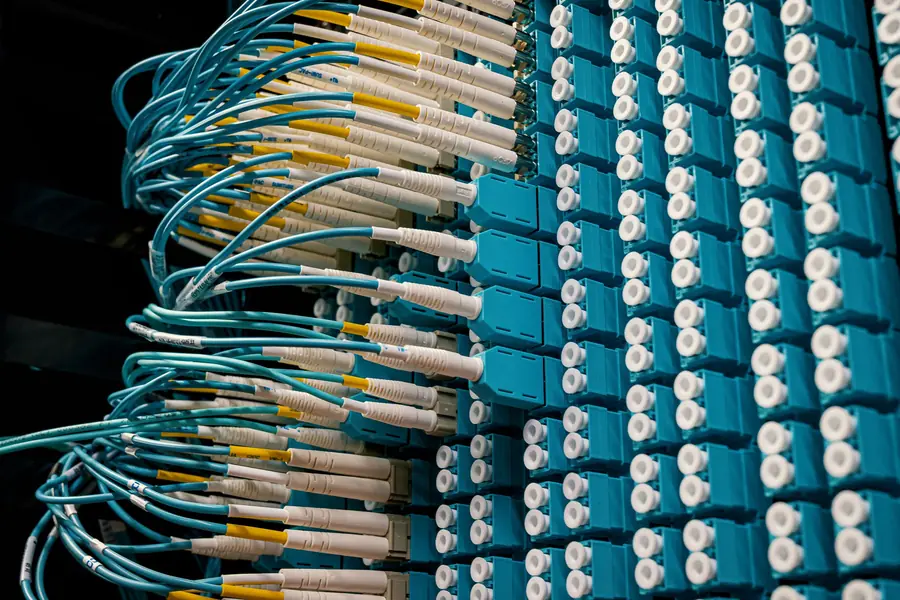
National fibre backbone
Nationwide
Fibre linking cities, rural areas and economic hubs, the base for the programme’s aim of a logistics and digital hub.
- Stage
- Listed by the programme; amount and structure not yet published
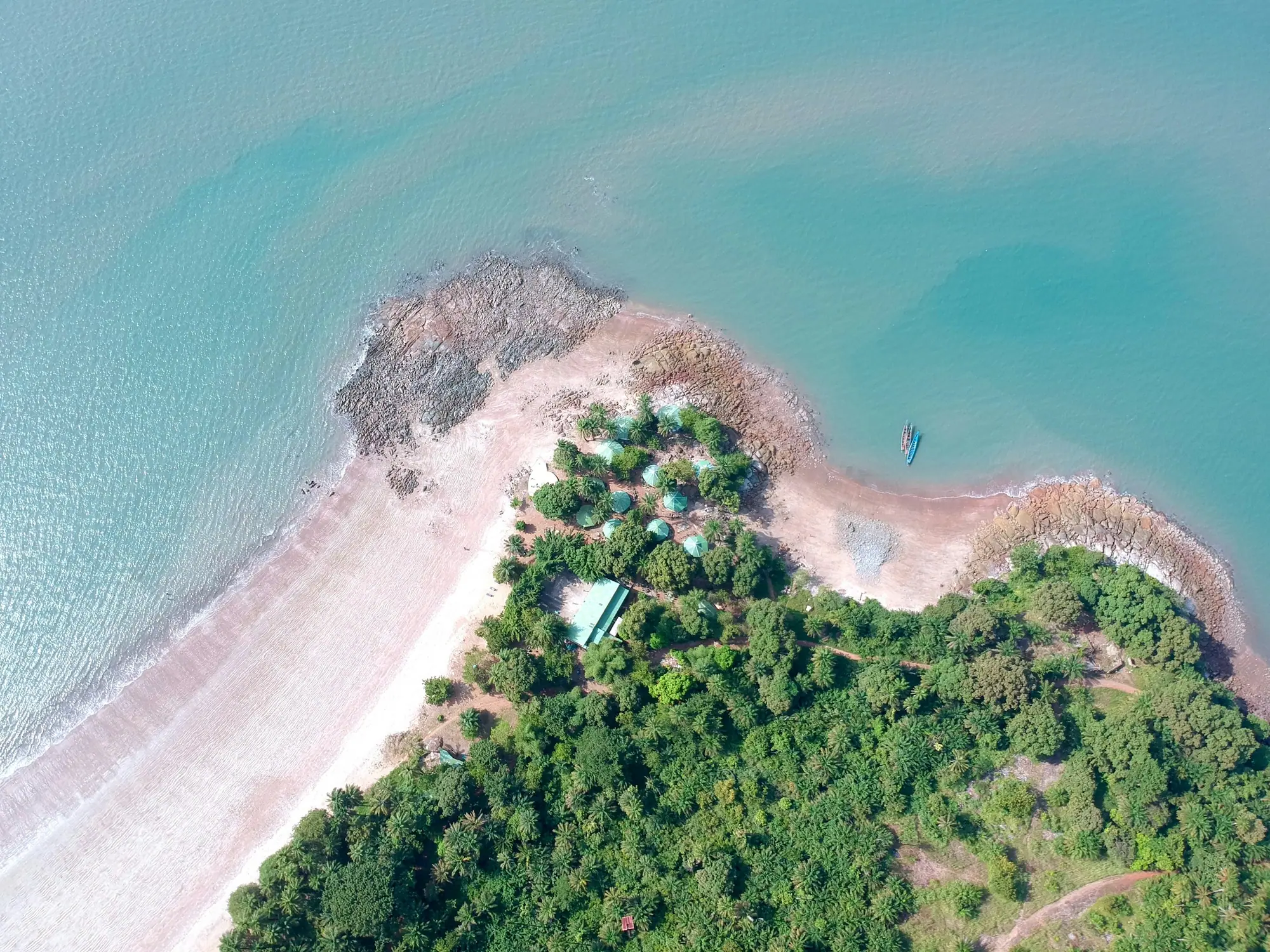 TourismOpen to investors
Beaches, leisure centres and parks
The four natural regions
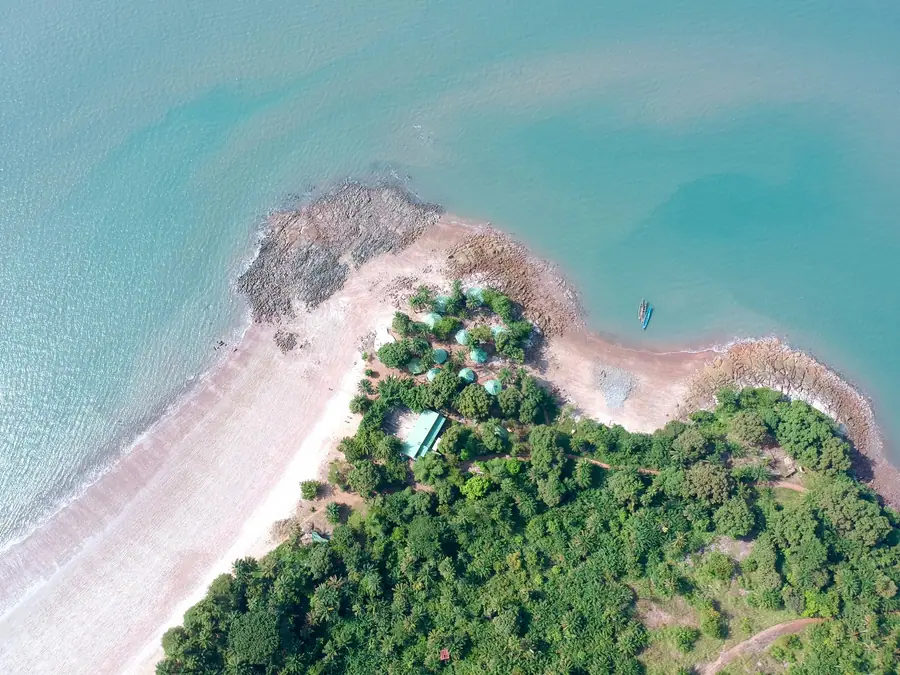
Development of beaches, and a programme to build and equip leisure centres and parks.
- Stage
- Listed by the programme; amount and structure not yet published
 TourismOpen to investors
Ecolodges and hotels in the natural regions
Nationwide
A national network of ecolodges built with local materials, and hotels across the country’s natural regions.
- Stage
- Listed by the programme; amount and structure not yet published
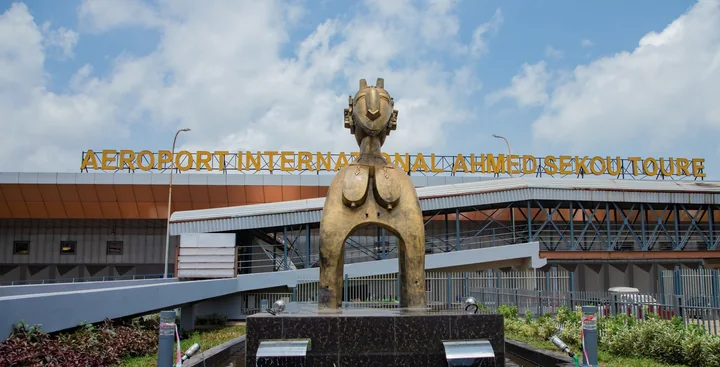 TourismOpen to investors
Cultural sites and regional museums
Across the regions
Rehabilitation and equipment of cultural and tourism sites, and a network of regional museums.
- Stage
- Listed by the programme; amount and structure not yet published
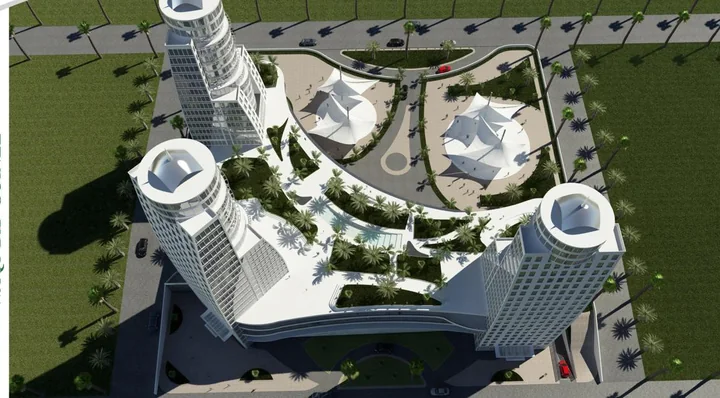 Real EstateProgramme
Real estate programmes with land reform
Nationwide
Housing and real estate programmes, tied to a reform of land tenure.
- Stage
- National programme
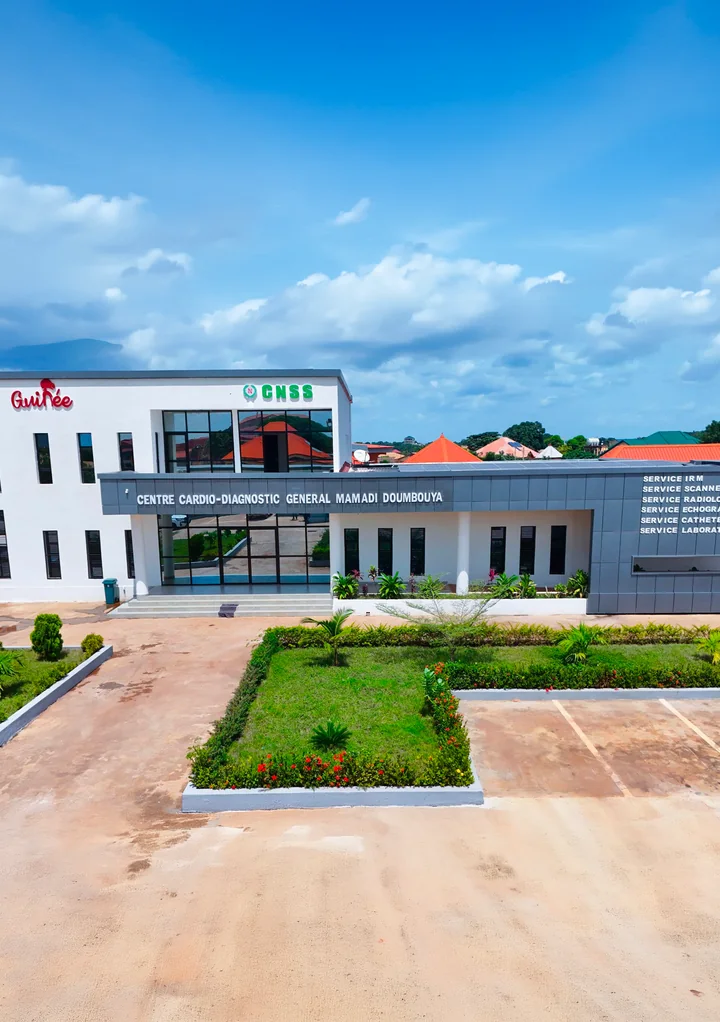 HealthOpen to investors
Hospitals, clinics and specialised care
Nationwide and regional centres
New health centres, hospitals and clinics; regional university hospitals, a mental health reference centre, maternal and child care and trauma units; and equipment and digital tools for existing facilities.
- Stage
- Listed by the programme; amount and structure not yet published
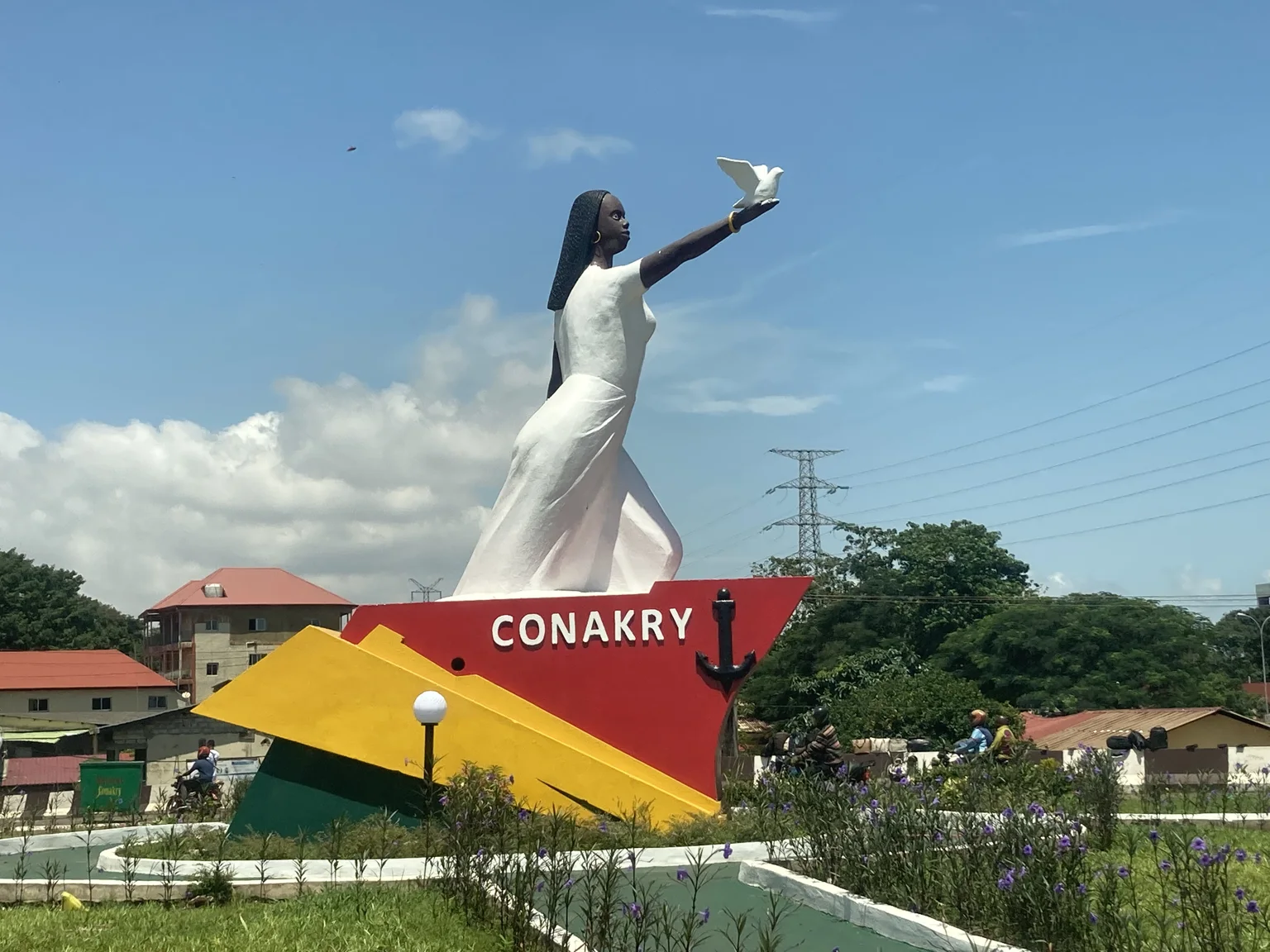 EducationOpen to investors
Simandou Academy
Guinea
A new Guinean school to train the skills the corridor and its industries will need.
- Stage
- Listed by the programme; amount and structure not yet published
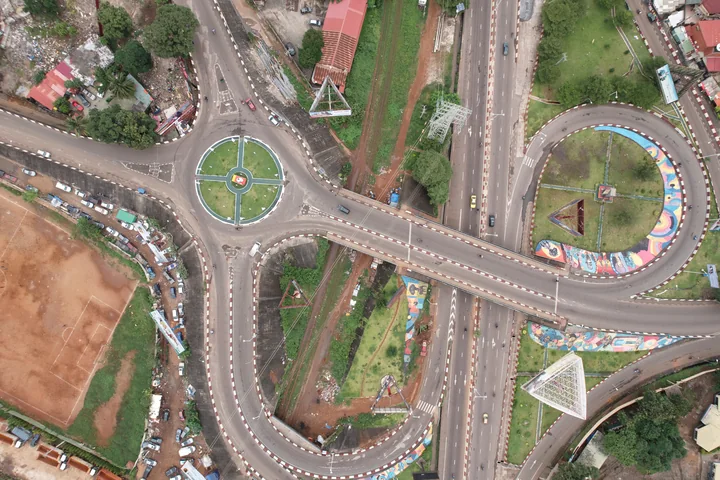 FinanceOpen to investors
Specialised finance and financial inclusion
Nationwide
Financial institutions with products built for key sectors, and banking access for households and small businesses.
- Stage
- Listed by the programme; amount and structure not yet published


What Lies in the Ground, and What Is Mined.
Guinea’s mineral wealth is led by bauxite and the Simandou iron ore. The documents name gold and diamonds as significant but give no quantities; those are checked case by case.
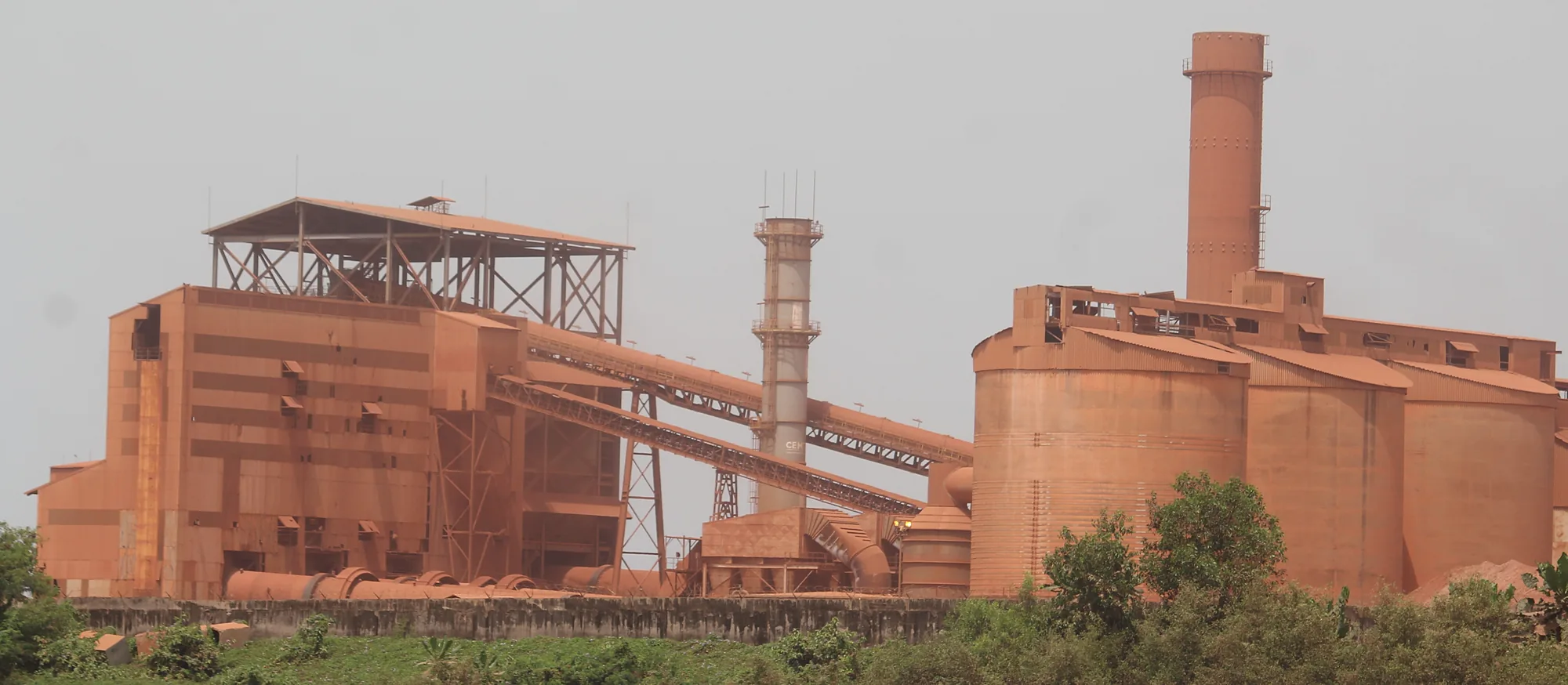
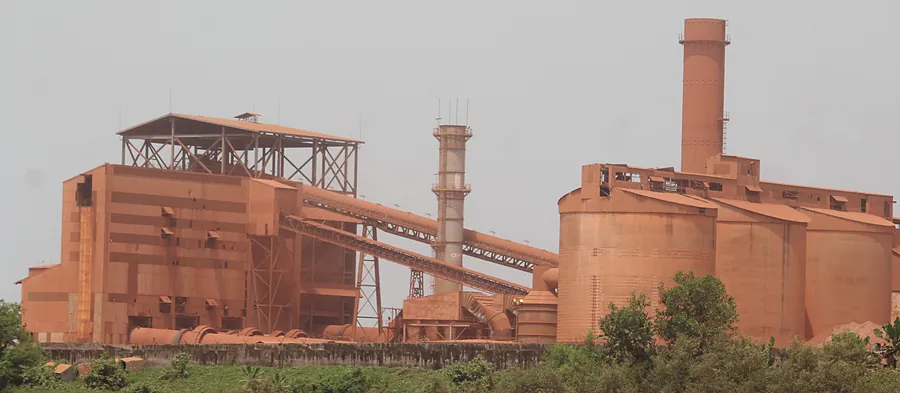
Bauxite
ProducingExported mainly through the Port of Kamsar
Reserves of 7.4 billion tonnes at 40 to 50% alumina; total resources are estimated at around 40 billion tonnes. Resources are not reserves, and only reserves are mineable on today’s terms.
Investor’s Guide 2026
Iron ore
ProducingSimandou, linked to the coast by a railway of more than 650 km
An integrated mine, rail and port project estimated at US$20 to 23 billion. A 4 Mt a year steel plant is listed as a downstream opportunity.
Investor’s Guide 2026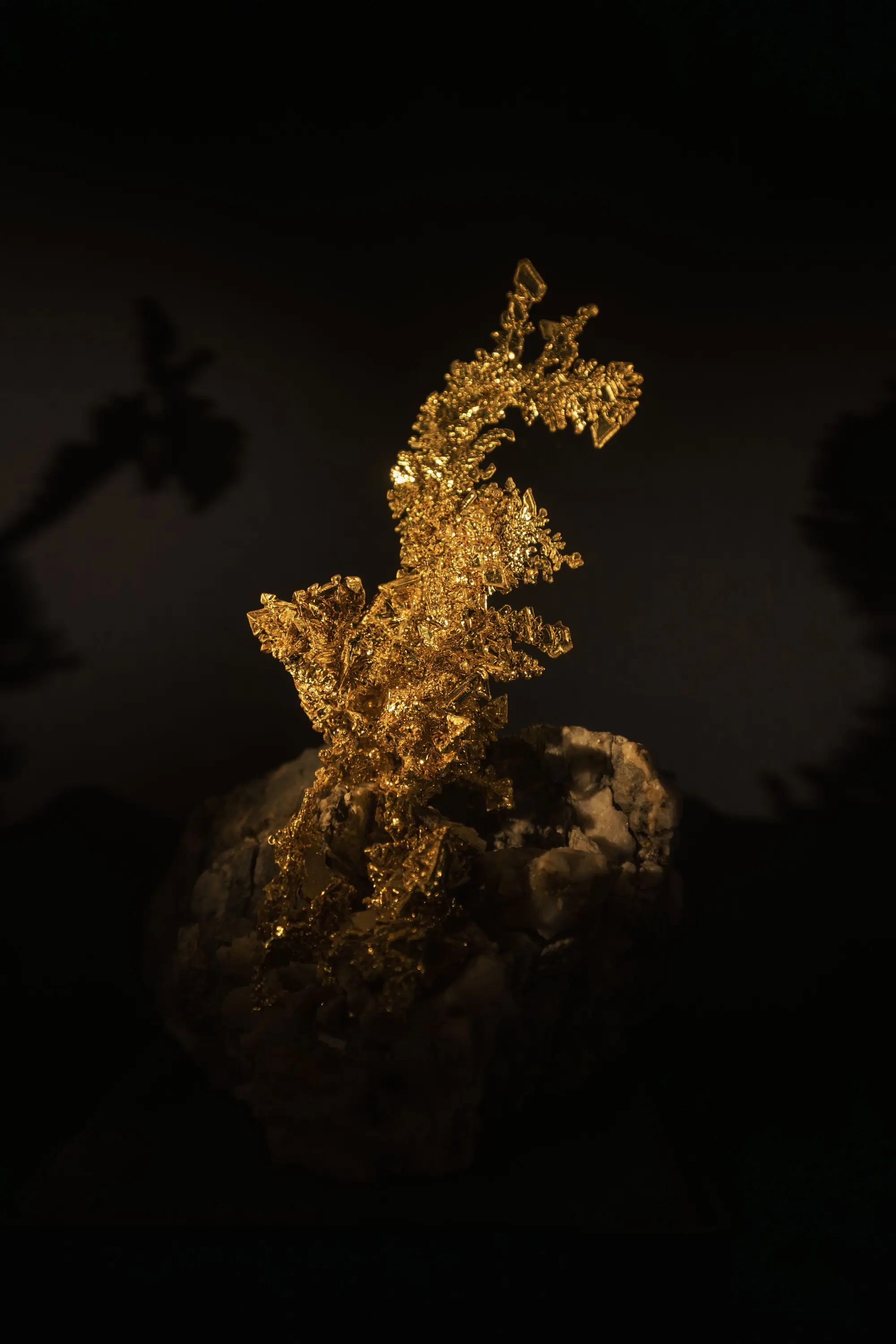
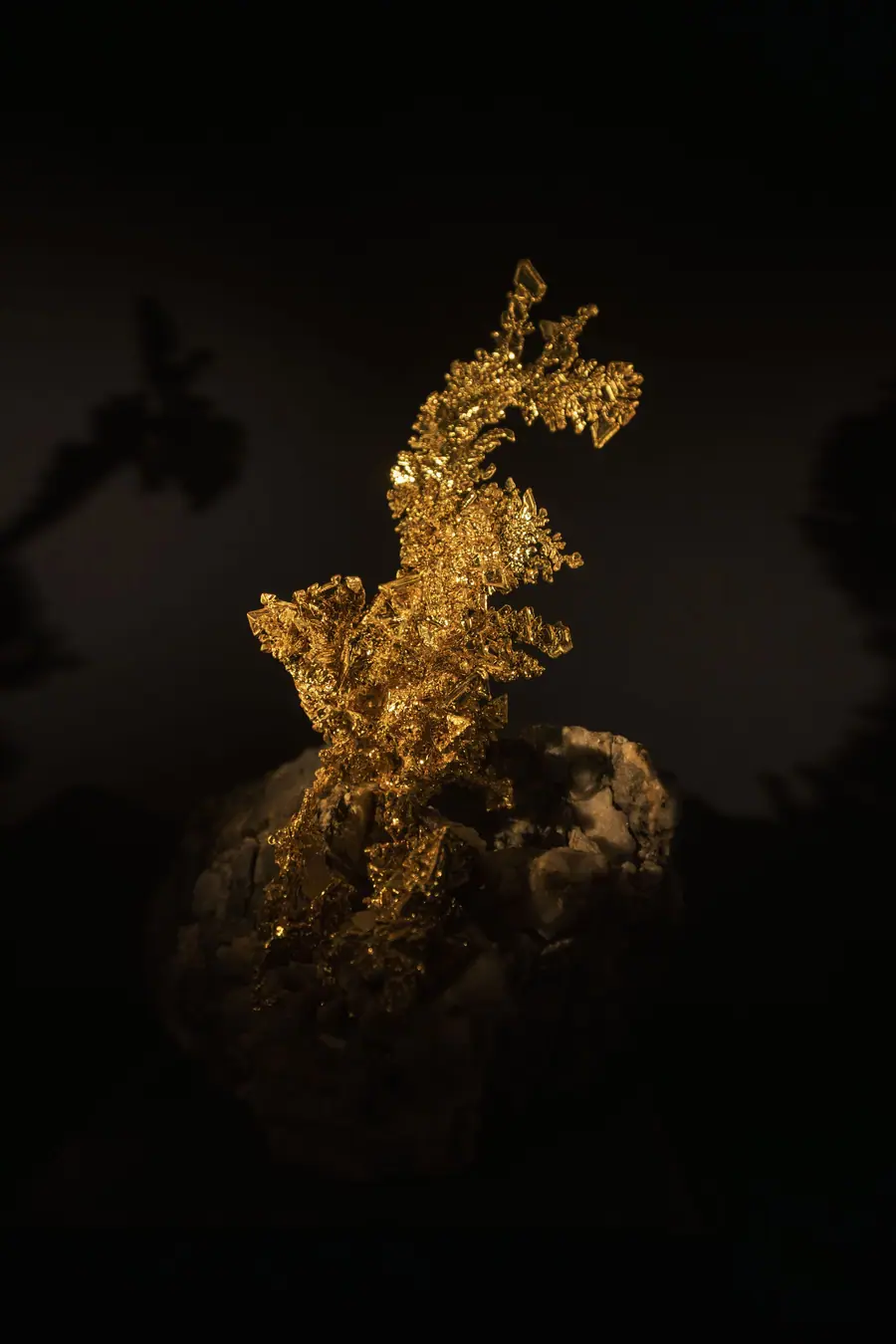
Gold
ProducingSeveral regions; quantities not published in the documents reviewed
Reported as significant reserves. Licence status and ownership are confirmed with the Ministry of Mines before any approach.
Investor’s Guide 2026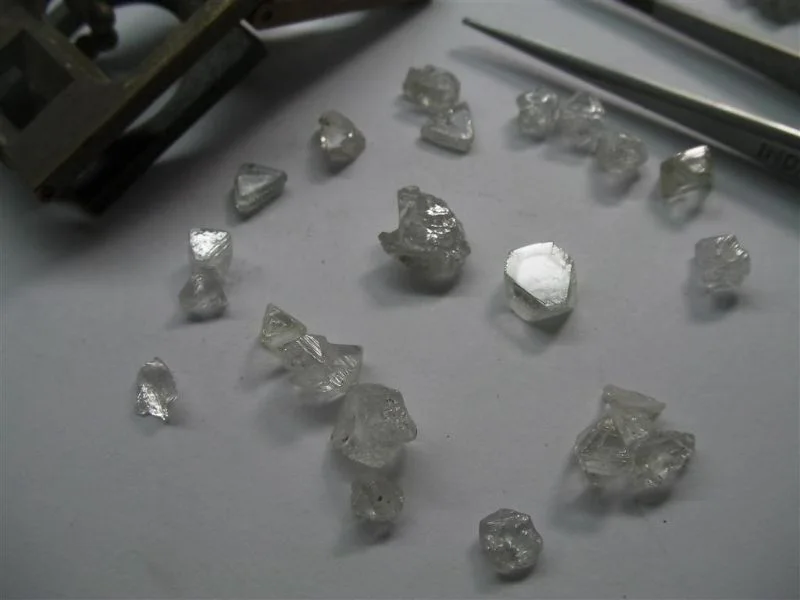
Diamonds
ResourceLocations not published in the documents reviewed
Reported as significant reserves, without quantities.
Investor’s Guide 2026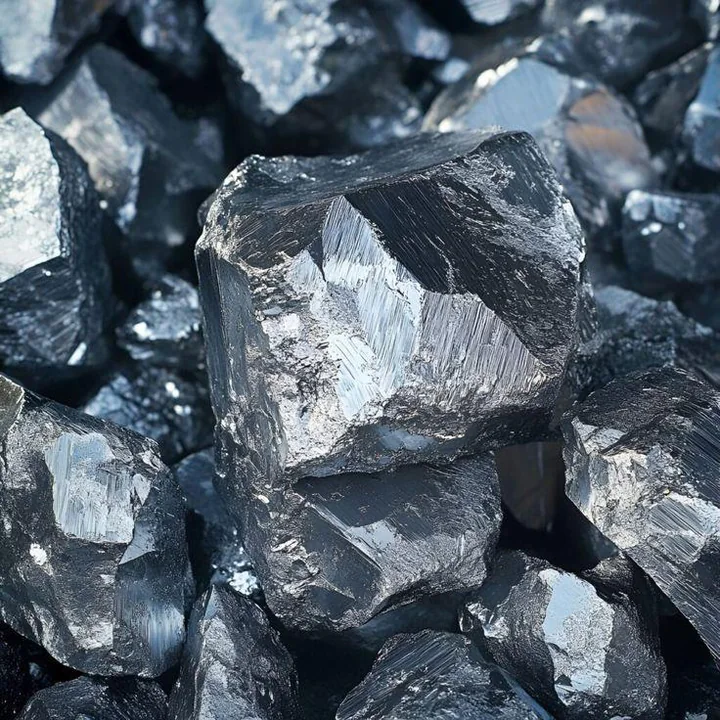
Critical and base metals
ProgrammeNationwide
Exploration to confirm resources and find new deposits is a listed programme opportunity.
Simandou 2040 ProgrammeOil and gas
ProgrammeOnshore sedimentary basins
Unexplored at scale; seismic coverage is planned in three steps, from studies to targeted 3D.
Simandou 2040 Programme

Mining and petroleum activities are governed by their own codes and fall outside the Investment Code’s incentives. Holders of mining titles pay corporate tax at 30%.
Looking at a licence, a deposit or a processing plant? We check the licence, the ground and the people before you commit.
Discuss a Mining InvestmentWhere the Capital Goes.
Five sectors carry most of the programme and most of the Code’s incentives. Each panel gives the case, the figures and what to look at first.
Mining and metals
Mining is more than 85% of exports and about a fifth of public revenue. The opening for new investors is less in the pits than around them: processing, logistics, services and exploration of minerals not yet mapped.
- 85%+
- of exports Investor’s Guide 2026
- 30%
- corporate tax for mining title holders Investor’s Guide 2026
- Bauxite to alumina and the 4 Mt steel plant are the processing lines.
- Suppliers and contractors to the Simandou corridor.
- Exploration for critical minerals.
- Licences sit under the Mining Code, outside the Investment Code.
Hydropower and solar
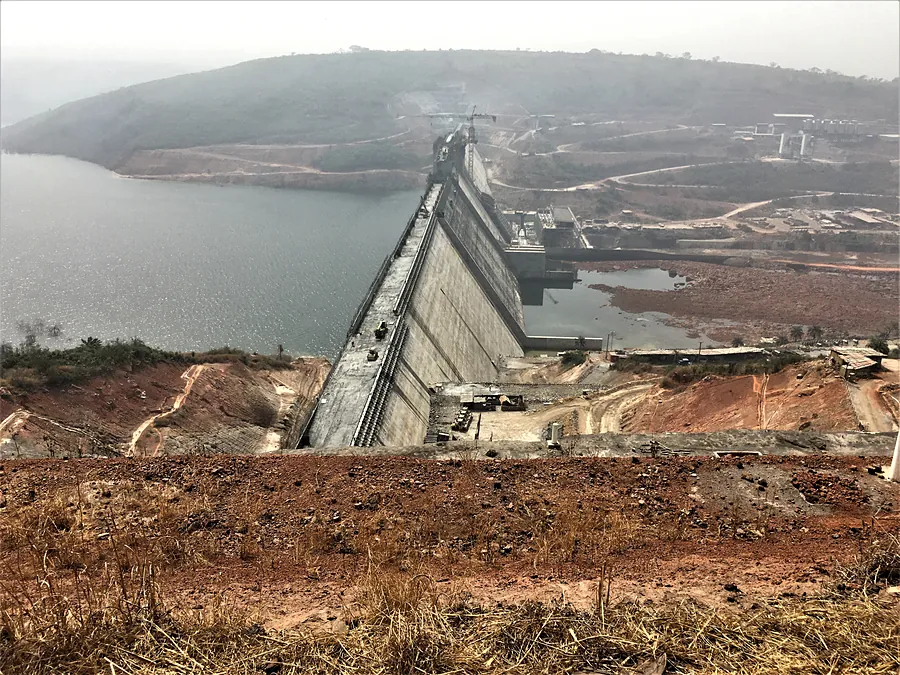
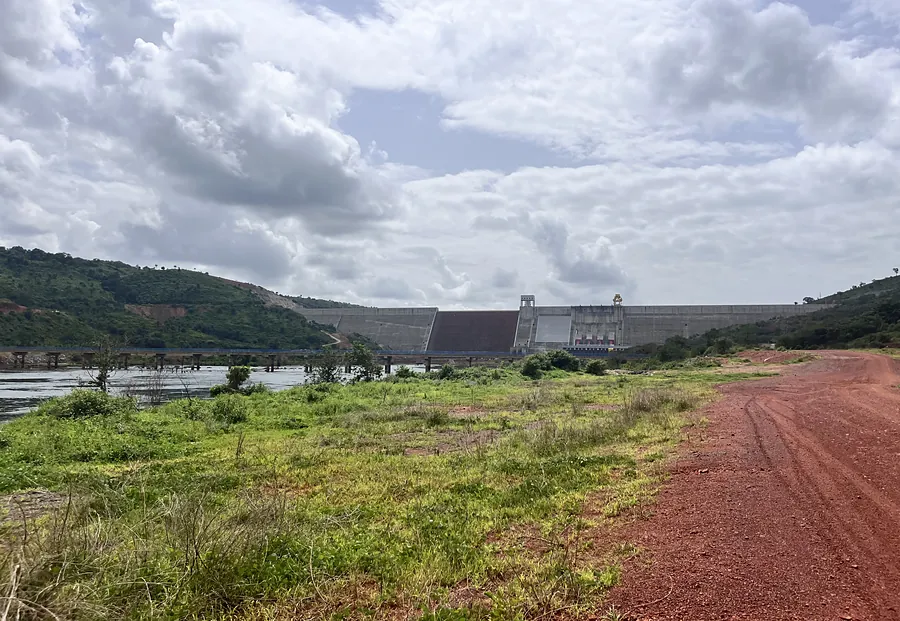
About 1,100 MW is installed, almost all on the Konkouré river, against an estimated 6,000 MW of potential. The government is structuring plants and distribution as PPPs and targets about 4,000 MW by 2030.
- 450 MW
- Souapiti, the largest plant Investor’s Guide 2026
- 4,000 MW
- installed capacity target for 2030 Simandou 2040 Programme
- Independent power from hydro and solar under PPP terms.
- Distribution networks, also being structured as PPPs.
- Generation and distribution need a State authorisation.
- Payment security is the first thing to examine.
Farming, livestock and fish
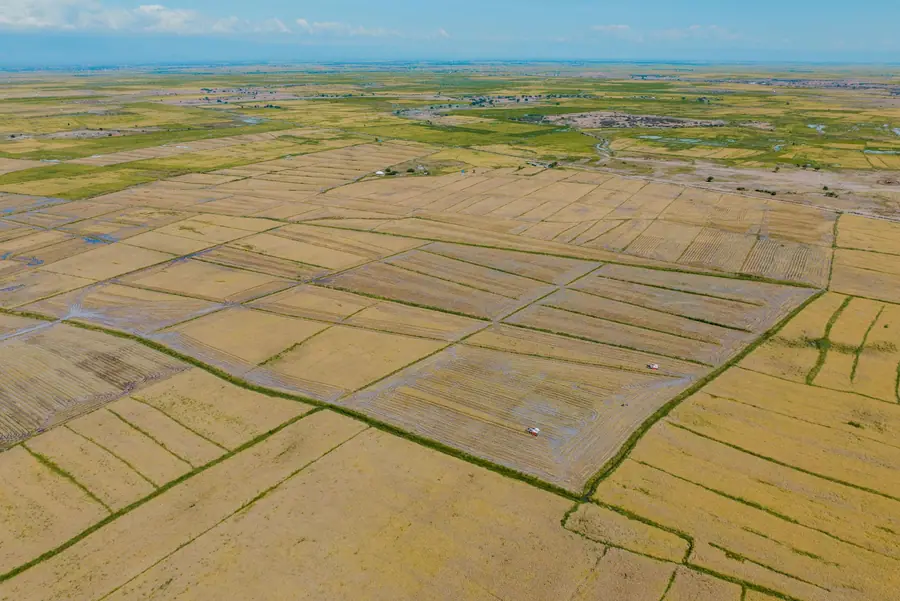
Agriculture is around 30% of GDP and employs about half the workforce, yet only 38% of arable land is farmed. The programme’s first pillar is food security through irrigation, processing and modern supply chains.
- 13m ha
- arable land Investor’s Guide 2026
- 15%
- tax on agricultural profits Investor’s Guide 2026
- 150,000 hectares of irrigated plains.
- Slaughterhouses and two aquaculture hubs.
- Import substitution around the mining corridor.
- Farming, livestock, fishing and storage all qualify under the Code.
Transport and logistics
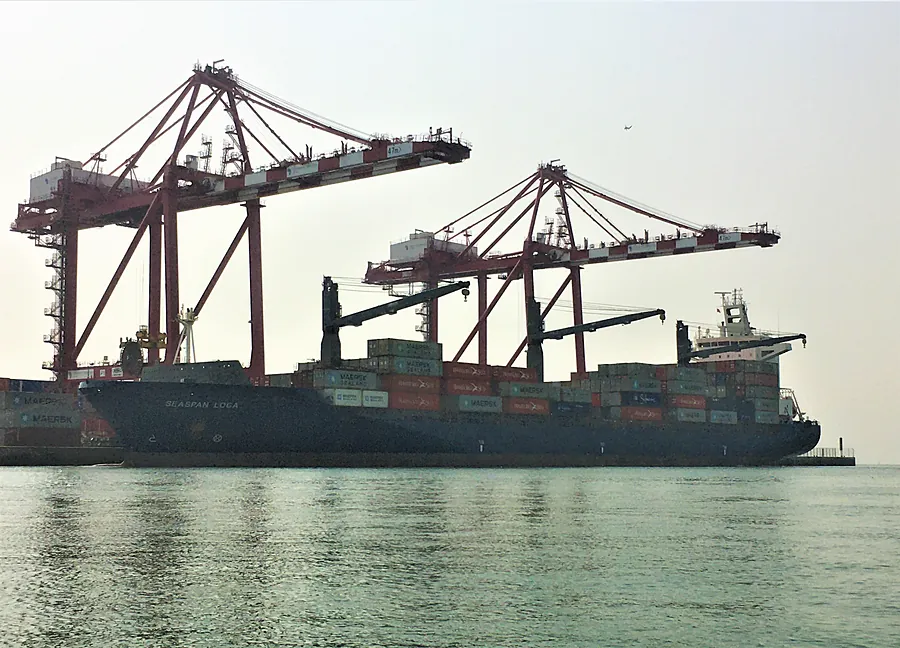
Conakry handles most of the country’s trade and Kamsar its bauxite. The programme adds 2,900 km of highways, a road corridor to Senegal, passenger rail and urban transit.
- 90%
- of foreign trade through Conakry port Investor’s Guide 2026
- 2,900 km
- highway programme Simandou 2040 Programme
- Roads, rail and port projects as contractor, financier or concessionaire.
- Logistics and storage around the Simandou axis.
- Urban waste and water systems in the regional capitals.
Digital and fibre
A national backbone of more than 4,000 km and a submarine cable are in place. The programme adds new cables, landing stations and fibre to rural areas and economic hubs, with the aim of a regional digital hub.
- 4,000 km+
- existing fibre backbone Investor’s Guide 2026
- 35%
- corporate tax for telecoms Investor’s Guide 2026
- Cable and landing station consortia.
- Fintech, e-commerce, agritech and e-learning services.
- Post and telecoms need an authorisation.
Ports, Rail and Power Already in Place.
What exists today, and what the programme adds. It decides where a project can move goods and draw power from day one.
Two working ports
The Autonomous Port of Conakry handles around 90% of foreign trade. Kamsar is the bauxite export port. Both are being modernised, with rail and road links to the Simandou axis.
The Simandou corridor
More than 650 km of railway and new deep-water port capacity, listed by the programme as complete or at an advanced stage.
Hydropower on the Konkouré
Souapiti (450 MW), Kaléta (240 MW) and Garafiri (75 MW, under rehabilitation), with a new 300 MW plant listed as complete or advanced.
Air
One international airport in Conakry, with regional airports and private airfields.
Telecoms
A submarine cable, national mobile coverage and a fibre backbone of more than 4,000 km.
Roads
A 2,900 km highway programme and a regional corridor to Senegal are in the plan.
The Investment Code, in Plain Terms.
Law L/2015/N°008/AN of 25 May 2015 sets the incentives for private investment outside mining and petroleum. The schedules below follow the French text, which is the authoritative version.
Who qualifies
A company registered in Guinea and up to date with its taxes, investing at least GNF 200 million and creating at least five permanent jobs for nationals. An expansion qualifies if it lifts output or Guinean headcount by 35%.
Building the project
For up to three years from the first equipment import: no customs duties or VAT on project equipment and materials (a 0.5% registration tax and a 2% processing fee still apply), and no business licence tax, property tax or flat-rate payroll tax.
Zone A: Conakry and nearby
Conakry, Coyah, Forécariah, Dubréka, Boffa, Fria, Boké and Kindia. Profit and related taxes are waived in full for two years, halved for the next two and cut by a quarter for two more.
Zone B: the rest of the country
Profit and related taxes are waived in full for three years, halved for the next three and cut by a quarter in years seven and eight. Payroll and registration taxes are relieved over ten years.
Longer relief for larger projects
The government can extend relief to ten years for more than 500 jobs, more than US$100 million invested, a strategic activity or a priority region. Large investors can also negotiate an establishment agreement with tax stability.
Ownership, transfers and disputes
Full foreign ownership is allowed except in news media (40% cap). Profits, dividends and capital can be transferred abroad freely. Expropriation requires public purpose and prior fair compensation. Disputes can go to OHADA arbitration or ICSID.
Tax rates to plan around
Corporate tax is 25% as standard, 30% for mining title holders and 35% for telecoms, banks, insurers and petroleum products. VAT is 18%.
Incentives depend on the sector, the size of the investment and the agreement reached; confirm current terms with the investment agency and local counsel before relying on them.
How an Investor Gets Started.
The route for a company seeking the Code’s benefits, and the entry point for Simandou 2040 projects. Registration fees and timings are not set out in the documents reviewed, so we confirm them at the time.
Register the company
Incorporate under Guinean law and enter the trade and personal property register (RCCM). Guinea follows OHADA business law.
Apply to APIP-Guinée
The investment promotion agency receives and reviews applications for the privileged regime with the relevant technical services.
Receive the investment certificate
The minister in charge of private sector promotion signs the certificate, or a refusal, and chairs the monitoring committee.
Bring in your team
Work permits from AGUIPE run one year and cost about US$1,200 to US$3,000 depending on grade. ECOWAS nationals are exempt from the long-stay visa.
Report each year
Beneficiaries report progress to the monitoring committee (CTSI) and file an annual compliance report by 31 December.
Who does what
- APIP-GuinéeInvestment promotion agency; secretariat of the monitoring committee.
- Guinean Development BoardInvestor entry point for Simandou 2040 projects.
- PPP Coordination UnitOperational since 2022; runs PPP preparation with the ministry for investments and PPPs.
- CTSITechnical committee that monitors investments under the Code.
- Ministry of MinesMining titles under the Mining Code.
- AGUIPEWork permits for foreign staff.
- BCRGCentral bank; foreign exchange rules.
Planning your entry
Find where your capability fits.
Guinea’s investment agency, APIP, identifies mining, agriculture, infrastructure, energy, tourism and digital services among its priority sectors.
- Mining and the businesses around it Bauxite, gold and iron ore create different questions for operators, suppliers and investors. Explore equipment, maintenance, logistics and professional services, then confirm the actual buyer and procurement route.
- Food, farming and local production Consider a commercial farm, processing facility, input business or distribution operation. Start with soil and water suitability, seasonal supply, storage, power and buyers before deciding on a location.
- Power, construction and property Bring a solar business, civil engineering capability, quarry proposal, hotel concept or factory plan. We help investigate sites, customers, utilities and professional requirements for your model.
- Offices and business services A branch, warehouse or service office needs more than premises. We help organise customer meetings and local adviser introductions so staffing, registration and day-to-day operations can be considered together.
Prepare a market entry that works for your business.
The right first visit should leave you with better evidence and a clear next step.
- Choose a focused commercial question Who would pay for your product or service, where do they operate and how do they buy? We can research the relevant businesses and organise meetings around a specific proposition.
- Review the local partnership Confirm who owns and represents the business, what it is authorised to do and what it can deliver. Local advisers and specialists help assess contracts, registrations and any sector-specific requirements.
- Visit the operating environment A mine, farm, industrial site or hotel location has its own access, power, water and staffing needs. We coordinate site visits and the technical people who can test those assumptions.
Bring us the plan you want to test.
You do not need a finished investment memorandum to start a conversation.
- For investors and entrepreneurs Share your sector, preferred location, project stage and approximate scope. We can agree whether market research, introductions or a site assessment should come first.
- For suppliers and expanding companies Share your product range, equipment, credentials and previous delivery experience. This helps us investigate buyers and partners that fit your capability.
- For Guinean project owners Introduce the owner, location, current activity and type of support sought. A readiness discussion can identify the information needed before considering partner or investor introductions.
Infrastructure and logistics: build around a real customer.
A transport, engineering or warehouse business needs a defined service, an operating location and evidence of who will use it. We help investigate those requirements before you mobilise.
- Freight, warehousing and industrial support Compare a port-facing warehouse, inland distribution base or mine-support workshop around your intended customers. Research handling, storage, route access, power and after-sales support, then arrange visits to relevant facilities.
- Roads, construction and equipment rental Bring your civil engineering team, construction capability or equipment fleet. We can research potential clients and partners, organise site enquiries and help establish which public or private procurement process applies to the proposed work.
- Business and government meeting coordination We can prepare an agenda and coordinate meeting requests with companies or relevant public bodies. Meetings depend on the receiving organisation; they do not confer approvals, concessions or a mandate to represent government.
Detailed guides
- Simandou Business Opportunities, Suppliers & Market Entry
- Guinea Bauxite & Alumina
- Guinea Mining
- Guinea Gold
- Guinea Agriculture
- Guinea Energy
- Guinea Property Development
- Set Up a Business or Branch in Guinea
- Guinea Market Entry for U.S. Investors & Companies
- Guinea Market Entry for UK Investors & Businesses
- Guinea Business Entry for Indian Companies
- Guinea Market Entry for Chinese Companies
Talk to Our Team About Guinea.
Tell us the sector, the scale and the timing you have in mind. We will tell you what to check first, who to meet and what a first visit should achieve.
Before You Commit, Ask These.
Are the Simandou 2040 projects open to foreign investors?
Yes. The programme invites private partners as co-developers from the earliest stage, and the Guinean Development Board is the entry point. The published list gives titles only, so sites, sizes and terms are settled in discussion with the programme.
Does the Investment Code cover mining?
No. Mining and petroleum fall under their own codes and are excluded from the Investment Code’s incentives. Processing that adds value to local raw materials can qualify.
How long do tax holidays last?
Six years of profit tax relief in Zone A (Conakry and nearby prefectures) and eight in Zone B, tapering from full relief to a quarter. The government can extend relief to ten years for large or strategic projects. These terms date from 2015, so confirm the current position with APIP-Guinée before relying on them.
Can a foreign company own 100% of a Guinean business?
Yes, outside news media and broadcasting, where foreign ownership is capped at 40%. Some sectors, including power, water, banking, telecoms and health, need a specific authorisation.
How is the GDP figure reported?
Different sources give different figures, from about US$25 billion to US$36 billion after a 2025 rebasing. We quote growth and the specific measure rather than a single headline number.
Does Capital Africa help with company setup in Guinea?
We coordinate registration enquiries and introductions to qualified local professionals, alongside research into premises, staffing, partners and customers. The appropriate structure and authorisations depend on your proposed activity.
Can you help me explore business around Simandou?
Yes, through independent market research, supplier preparation and local coordination. The Simandou guide explains official procurement channels and the difference between market interest and an actual contract opportunity.
Can you arrange business and government meetings?
We can prepare and coordinate meeting requests around a defined business purpose. The receiving organisation decides whether to accept the meeting; official decisions follow the relevant process.
Where the figures come from
- APIP-GuinéeInvestment Code of the Republic of Guinea, Law L/2015/N°008/AN, 2015
- Simandou 2040 Programme, Government of GuineaInvest in the projects of the Simandou 2040 Program, 2026
- Thiam & AssociésRepublic of Guinea Investor’s Guide, 5th edition, citing World Bank, IMF, INS and BCRG data, 2026
Reviewed . Figures, projects and stages are summarised from official publications, investment agency briefs and promoters’ project briefs as they state them; they are not Capital Africa projects or offers, and Capital Africa does not own, sell or guarantee any of them. Project briefs, contacts and current status are shared in a consultation.