Skip to content
Capital Africa

Infrastructure and Logistics, the Routes to Market.

Roads, ports, railways, airports and warehouses decide what Africa’s mines, farms and factories earn. This briefing explains how the networks are built and financed, where the corridors run, and where investors take part.

US$68bn+

Africa’s annual infrastructure financing gap at its lower bound, estimated by the AfDB at US$68 to 108 billion in 2018.

African Development Bank, 2018
11.1m TEU

handled by Tanger Med in Morocco in 2025, up 8.4% on 2024.

Tanger Med Port Authority, 2025
16%

of Africa’s trade was with other African countries in 2022.

UNCTAD, 2024 (2022 data)
The sector across Africa

The Networks That Decide What Africa Earns.

Key assets
Ports, highways, railways, airports, bridges, warehouses and border posts
Who builds
Governments, development banks, Africa50, the Africa Finance Corporation and concessionaires
Models
Public works, public-private partnerships, concessions and private logistics
Where we work
Sierra Leone and Guinea, from Freetown’s port to the Simandou corridor

The African Development Bank estimated in 2018 that Africa needs US$130 to 170 billion of infrastructure investment a year and faces a financing gap of US$68 to 108 billion. Every mine, farm and factory pays for that gap in transport costs and lost time.

The picture is changing. New ports such as Lekki in Nigeria, fully operational since April 2023, and record volumes at Tanger Med show what modern terminals do for trade. Rail is returning: the Lobito corridor links the copper and cobalt belt of the DR Congo and Zambia to the Atlantic, and Simandou in Guinea built a new railway and port to export iron ore.

Trade within Africa is the other driver. Only 16% of Africa’s trade was with itself in 2022, against 68% within Europe. The African Continental Free Trade Area, trading since January 2021 and ratified by 50 State Parties, is meant to change that, and it needs roads, border posts and logistics to do so.

Most large infrastructure is built with public money, development finance and concessions. Private investors take part through public-private partnerships, port and airport concessions, logistics businesses and the services every corridor needs.

How goods move

Three Journeys Every Investor Depends On.

Choose a journey. Each station is an asset that someone has to build, run and finance, and each one is a place where costs and delays add up.

Bulk minerals: heavy loads, long distances, one customer at the end

  1. Mine

    Ore or concentrate leaves the pit or the plant.

  2. Rail or haul road

    Heavy-haul rail or trucks to the coast. Simandou built new rail across Guinea.

  3. Port

    A bulk terminal with stockyards, conveyors and ship loaders.

  4. Ship

    Bulk carriers to smelters and steel mills overseas.

  5. Market

    Refining and manufacturing abroad, or at home where processing is built.

Transport and logistics

Ports, Roads, Rail, Airports and Warehouses.

Five kinds of asset, each with its own owners, its own finance and its own way of making money.

Ports and maritime

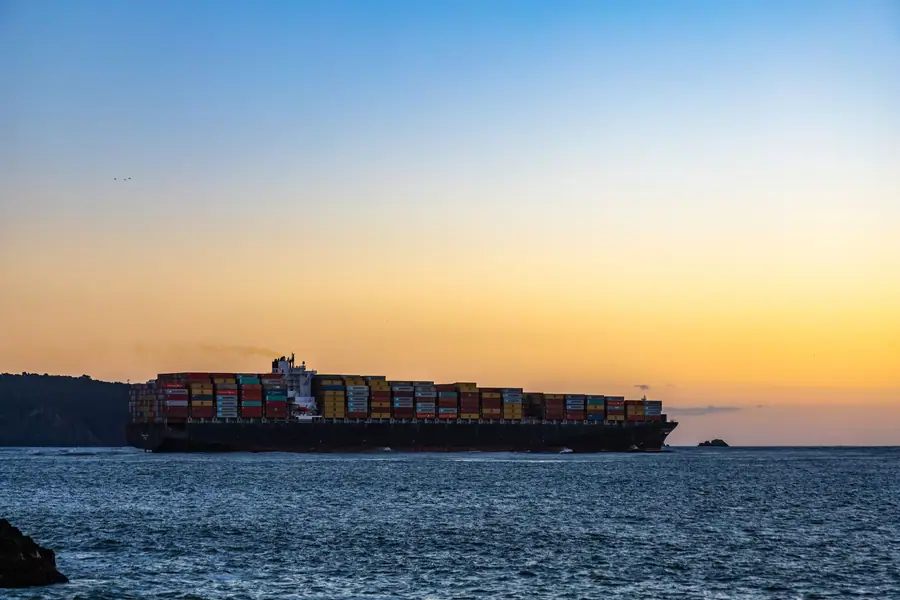
The gateways for almost everything Africa trades

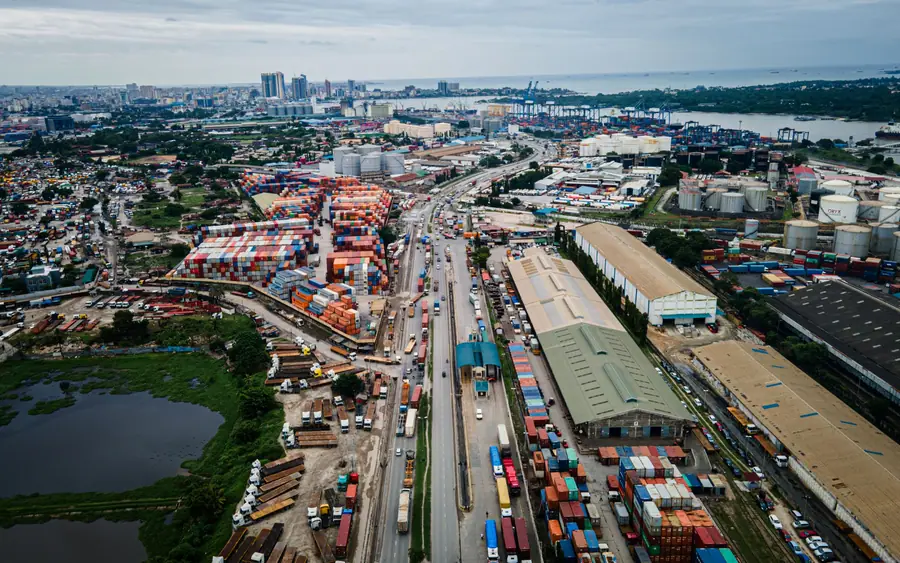
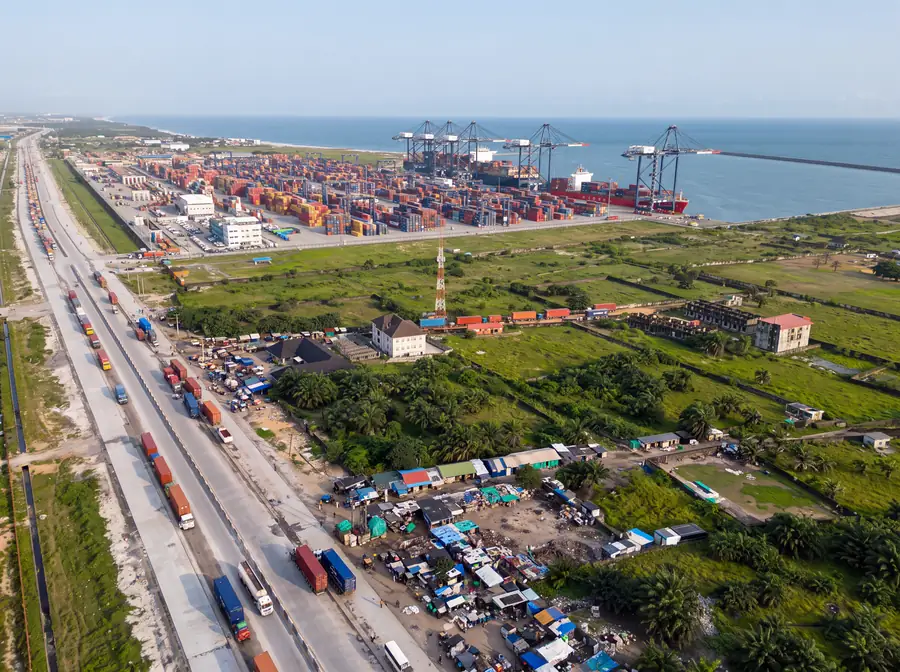
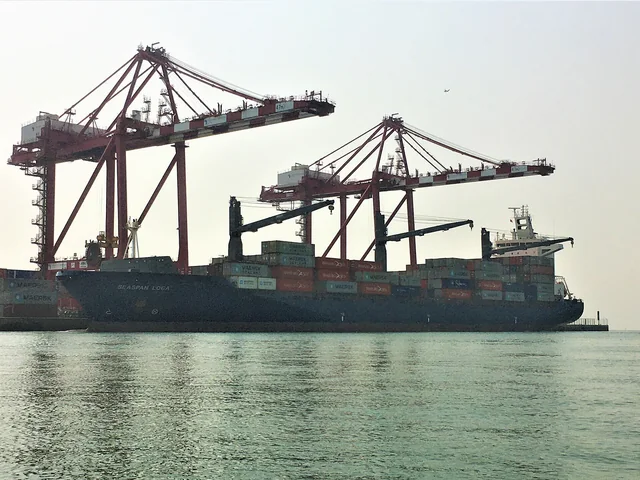
Container terminals are the most commercial part of African infrastructure, usually run by international operators under concessions. Tanger Med in Morocco handled more than 11 million containers in 2025 and calls itself the leading port in Africa and the Mediterranean; Lekki in Nigeria has been fully operational since April 2023.

Bulk ports serve single industries, often built by the mining companies that use them, as at Simandou in Guinea.

What investors look at

  • Concession terms and their length
  • Depth, cranes and yard space
  • Hinterland road and rail links
  • Customs and clearance times
11.1m TEU

containers handled at Tanger Med in 2025: 11,106,164 twenty-foot equivalent units.

Tanger Med Port Authority, 2025
Roads and bridges

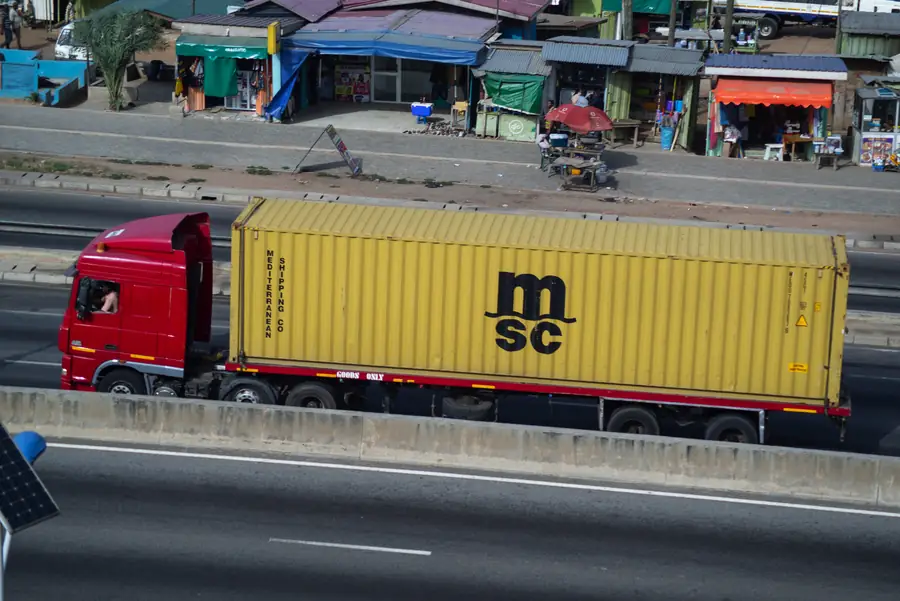
The network most trade still travels on

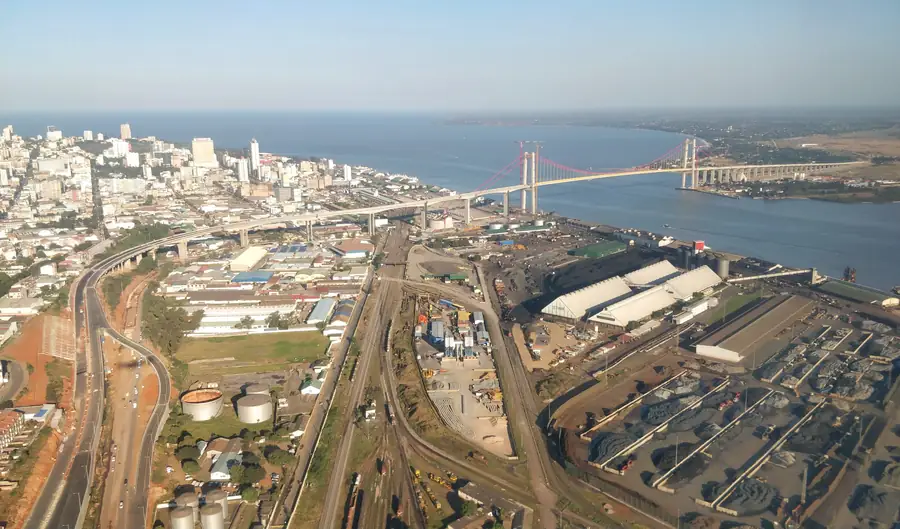
Most goods in Africa move by road. The planned Abidjan to Lagos highway would join Côte d’Ivoire, Ghana, Togo, Benin and Nigeria along a corridor ECOWAS says carries 75% of West Africa’s commercial activity; in December 2025 it was still being structured, at an estimated cost of about US$14.7 billion.

Bridges remove the slowest links: river ferries and estuary crossings that hold up trucks for hours.

1,028 km

length of the Abidjan to Lagos corridor highway, per ECOWAS.

ECOWAS Commission, 2025

What investors look at

  • Toll and availability-payment models
  • Maintenance funding after construction
  • Axle-load control and border posts
Rail

Railways for minerals, and a return for passengers

Rail is coming back where heavy, steady flows justify it. The Lobito corridor upgrade in Angola rehabilitates about 1,300 km of line from the port of Lobito to the border at Luau, carrying minerals from the DR Congo and Zambia, with a US loan of up to US$553 million announced in 2024.

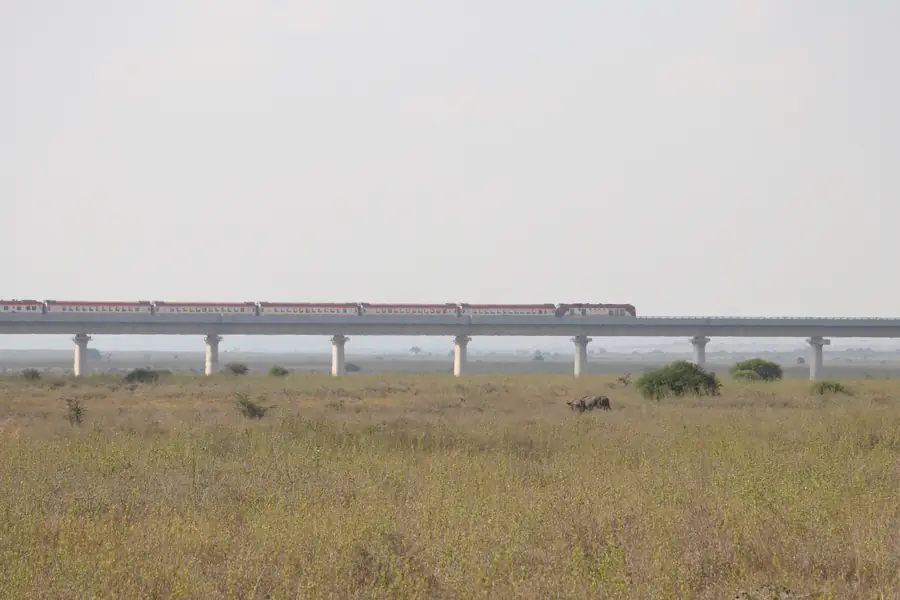
New standard-gauge lines in East Africa now carry passengers and freight between ports and capitals.

What investors look at

  • Anchor freight customers and their contracts
  • Open access for other users
  • Rolling stock and maintenance
US$553m

US Development Finance Corporation loan for the Lobito Atlantic Railway, announced December 2024.

US International Development Finance Corporation, 2024
Airports

Terminals built to grow traffic

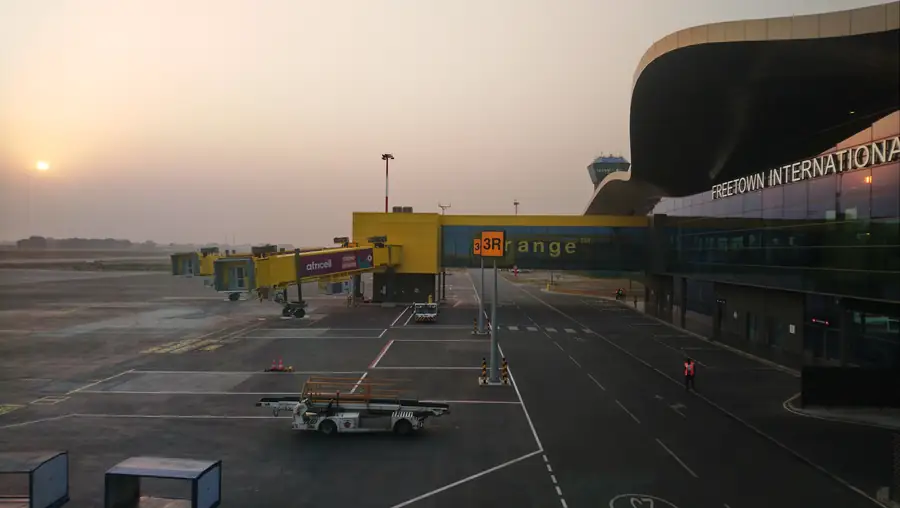
New terminals have opened across West Africa: Blaise Diagne in Senegal in December 2017, Terminal 3 at Kotoka in Ghana in 2018, and Freetown International Airport’s new terminal in March 2023.

Airports are among the most investable infrastructure assets because passengers and airlines pay fees directly, and cargo terminals and services grow around them.

What investors look at

  • Concession length and fee regulation
  • Traffic forecasts and airline commitments
  • Cargo, fuel and ground handling
Warehousing and freight

Where logistics meets real estate

Modern warehouses near ports, highways and cities are in short supply, and freight companies, cold chains and distribution centres grow with every new corridor.

Trucking is fragmented and often informal, which is both the problem and the opportunity: fleets, tracking and consolidation lower the cost of moving goods.

What investors look at

  • Pre-let tenants for warehouse space
  • Fleet maintenance and fuel
  • Cargo security and insurance
Logistics performance

How Well Goods Move, Country by Country.

The World Bank’s Logistics Performance Index scores customs, infrastructure, shipments, logistics quality, tracking and timeliness from 1 to 5. Several West African countries were not scored in the 2023 edition.

CountryMeasureEditionScoreNote
South AfricaLPI overall score20233.70Highest of the African countries listed
EgyptLPI overall score20233.10
BotswanaLPI overall score20233.10
BeninLPI overall score20232.90
NamibiaLPI overall score20232.90
NigeriaLPI overall score20232.60
GhanaLPI overall score20232.50
GuineaLPI overall score20232.50Up from 2.20 in 2018
LiberiaLPI overall score20232.40Up from 2.23 in 2018
Sierra LeoneLPI overall score20182.08Not scored in the 2023 edition

The LPI is based on surveys of logistics professionals; the 2023 edition was collected in late 2022.

How projects are financed

How an Infrastructure Deal Comes Together.

Large projects take years from idea to construction. Knowing which stage a project is really at is the first check an investor should make.

  1. Identify and prepare

    Feasibility, traffic or demand studies, environmental and social assessment, and land.

  2. Structure

    Public works, a public-private partnership or a concession, and who carries each risk.

  3. Procure

    A competitive tender or a negotiated deal, approved by the right authorities.

  4. Finance

    Development banks, Africa50, the Africa Finance Corporation, commercial lenders and guarantees.

  5. Build and operate

    Construction, then operation for the concession term and handback to the state.

Only 16% of Africa’s trade was with other African countries in 2022.

Against 68% within Europe. The routes between African markets are what the continental free trade area depends on. UNCTAD, 2024.

Opportunity areas

Where Private Capital Takes Part.

Infrastructure is not only megaprojects. Most private investment goes into the services and assets that make corridors work.

Illustrative opportunity areas, not live deals or offers
  • Port and terminal services

    Stevedoring, container depots, bonded warehouses and marine services around ports.

    Typical entry
    A concession, lease or service contract with the port authority or terminal operator.
    Verify first
    Concession terms, volumes, tariffs and the authority’s approvals.
  • Logistics parks and warehousing

    Modern warehouses and dry ports near ports, highways and border crossings.

    Typical entry
    Land with clean title and a pre-let to a logistics or distribution tenant.
    Verify first
    Title, access roads, power and the tenant’s strength.
  • Trucking and freight

    Fleets, tracking and freight consolidation on the main corridors.

    Typical entry
    Contracts with shippers, miners or distributors.
    Verify first
    Contract terms, fuel and maintenance costs, and cargo security.
  • Cold chain logistics

    Refrigerated transport and storage for food, fish and medicine.

    Typical entry
    Throughput agreements with producers and distributors.
    Verify first
    Power, utilisation and maintenance capacity.
  • Construction and engineering

    Contracting, design, supervision and equipment for public and private projects.

    Typical entry
    A partnership with a local contractor on funded projects.
    Verify first
    How and when the client pays, bonds and procurement rules.
  • Airport and aviation services

    Cargo terminals, ground handling, catering, fuel and hotels around airports.

    Typical entry
    A concession or licence from the airport operator.
    Verify first
    Traffic, concession length and fee regulation.
Development risks

Why Infrastructure Takes Longer Than Planned.

The common risks are not engineering. They are time, money, land and the terms of the deal.

Projects that stay on paper

Many projects are announced long before they are financed. The Abidjan to Lagos highway was still being structured in December 2025, and Sierra Leone’s Lungi Bridge has had agreements signed in 2023 and 2025 without a confirmed start of construction.

How it is managed: Check the stage: feasibility, financing and procurement documents, not announcements.

Demand and utilisation

New capacity is only valuable if traffic arrives. Ports, roads and terminals can run well below capacity for years.

How it is managed: Independent traffic studies and contracts with anchor users before committing.

Concession terms

Concession length, tariffs and amendments are not always public, and they change over a project’s life.

How it is managed: Read the concession and its amendments, with counsel, before relying on its cash flows.

Currency and tariffs

Debt is usually in dollars or euros, while tolls and fees are set and paid in local currency.

How it is managed: Indexed or hard-currency tariffs where allowed, and development bank risk cover.

Land and resettlement

Routes cross land with many owners and users, and resettlement is slow and sensitive.

How it is managed: Land acquisition and resettlement plans to international standards, agreed early.

Borders and transit

Customs, checkpoints and transit rules add days to journeys that roads alone cannot fix.

How it is managed: Plan routes with clearing agents, and use transit and free trade rules where they apply.

Country perspective

Corridors, Ports and the Gaps Between Them.

How goods move depends on the country and the route. Sierra Leone first, then reference points elsewhere.

Sierra Leone
213,000 m²
container terminal area at Queen Elizabeth II Quay, Freetown. Africa Global Logistics, accessed 2026
2.08
Sierra Leone’s last LPI score, in the 2018 edition. World Bank, LPI 2023 and 2018

One container port, a new airport terminal, and roads to build.

Freetown’s Queen Elizabeth II Quay is Sierra Leone’s main port. Its container terminal, operated by Africa Global Logistics under a concession, covers 213,000 square metres with two ship-to-shore cranes and four rubber-tyred gantry cranes.

A new terminal at Freetown International Airport, at Lungi across the estuary, opened in March 2023 with capacity for more than one million passengers a year, according to State House. A bridge to Lungi has been the subject of agreements signed in 2023 and 2025; construction has not been confirmed.

Sierra Leone last appeared in the World Bank’s Logistics Performance Index in 2018, with a score of 2.08, and was not scored in 2023. Published road statistics are dated, which is one more reason to survey a route on the ground before planning logistics around it.

  • Guinea

    Simandou’s first iron ore ship sailed from Moribaya port in December 2025, and the SimFer mine is ramping up to 60 million tonnes a year over about 30 months. Guinea scored 2.50 in the 2023 LPI.

  • Morocco

    Tanger Med handled 11.1 million containers and 161 million tonnes of cargo in 2025.

    161m t

    of cargo through Tanger Med in 2025, up 13.3%.

    Tanger Med Port Authority, 2025
  • Nigeria

    Lekki Deep Sea Port, in the Lagos Free Zone, has been fully operational since 1 April 2023. Nigeria scored 2.60 in the 2023 LPI.

  • Angola, DR Congo and Zambia

    The Lobito corridor links the copper and cobalt belt to the Atlantic through about 1,300 km of upgraded railway in Angola, under a partnership signed in 2023 with the US, the EU and others.

  • Côte d’Ivoire to Nigeria

    The Abidjan to Lagos highway would join five countries along 1,028 km, per ECOWAS, at an estimated US$14.7 billion; the AU’s PIDA programme lists it at 1,080 km.

  • South Africa

    The highest logistics score in Africa among the countries listed, 3.70 in the 2023 LPI.

Landmark corridors

Corridors Under Way.

Public projects that show how corridors are being built and financed. Status is as published by their sponsors.

Public information about other organisations. Not Capital Africa projects.
  • GuineaMine, rail and port

    Simandou rail and port

    A mine, railway and port system built to export iron ore from southern Guinea, with SimFer ramping up to 60 million tonnes a year over about 30 months.

    First shipment December 2025SimFer (Rio Tinto Guinea), 2025
  • Angola, DR Congo, ZambiaRail and port

    Lobito corridor

    About 1,300 km of railway from the port of Lobito to Luau on Angola’s border, operated by the Lobito Atlantic Railway, with a US loan of up to US$553 million.

    Upgrade financedUS International Development Finance Corporation, 2024
  • Côte d’Ivoire, Ghana, Togo, Benin, NigeriaHighway

    Abidjan to Lagos corridor highway

    A planned six-lane highway along West Africa’s busiest trade corridor, estimated by ECOWAS at about US$14.7 billion.

    In structuring, December 2025ECOWAS Commission, 2025
How Capital Africa helps

Practical Help With Routes and Projects.

We do not build or own infrastructure. We help investors and logistics businesses research routes and markets, check partners and projects, and meet the authorities involved.

A first consultation is where we agree the question, the scope and who should be involved. Pick a time that suits you.

Book Consultation
Questions investors ask

Before You Commit, Ask These.

How large is Africa’s infrastructure gap?

The African Development Bank estimated in 2018 that Africa needs US$130 to 170 billion of infrastructure investment a year, with a financing gap of US$68 to 108 billion a year. It remains the most widely cited estimate.

Can private investors take part in African infrastructure?

Yes, mainly through public-private partnerships, concessions for ports, airports and railways, and logistics businesses. Development finance institutions such as Africa50 and the Africa Finance Corporation often invest alongside them.

What is the AfCFTA?

The African Continental Free Trade Area, under which trading began on 1 January 2021. The AfCFTA Secretariat lists 50 State Parties that have ratified the agreement.

What is the Lobito corridor?

A rail and port route linking the copper and cobalt regions of the DR Congo and Zambia to the Atlantic port of Lobito in Angola. The US Development Finance Corporation announced a loan of up to US$553 million in 2024 for the roughly 1,300 km railway.

How do goods reach Sierra Leone?

Most containers arrive at Queen Elizabeth II Quay in Freetown, whose container terminal is operated by Africa Global Logistics. Plan clearance, inland transport and storage before the cargo arrives, and survey the route to the final site.

Talk to Us About Routes and Projects.

Tell us the cargo, the route or the project. We will tell you plainly what to check first.

Sources and scope

Where the figures come from

  1. Port activity report in 2025
    Tanger Med Port Authority, 2025
  2. African Continental Free Trade Area
    AfCFTA Secretariat, accessed 2026
  3. Lekki Deep Sea Port
    Lekki Port, accessed 2026
  4. DFC investments supporting development along the Lobito Corridor
    US International Development Finance Corporation, 2024
  5. Sierra Leone: Queen Elizabeth II Quay container terminal
    Africa Global Logistics, accessed 2026

Reviewed . Figures are quoted as each source states them, with the year they describe; reserves, production and export value are different measures and are labelled as such. Projects named on this page belong to the organisations that run them and are public information, not Capital Africa engagements. Opportunity areas are illustrative.