Skip to content
Capital Africa
All regions
Flag of KenyaEast AfricaResearch market

Kenya

Republic of Kenya

An East African market, researched separately. The largest and most diversified economy Capital Africa covers.

Capital
Nairobi
Currency
KES
Population
57.53 million2025[7]
GDP
USD 135.94 billion2025[7]
Last reviewed
August 2026Next review February 2027
A sense of place

Discover Kenya.

  • Nairobi
  • Wildlife landscapes
  • East African business
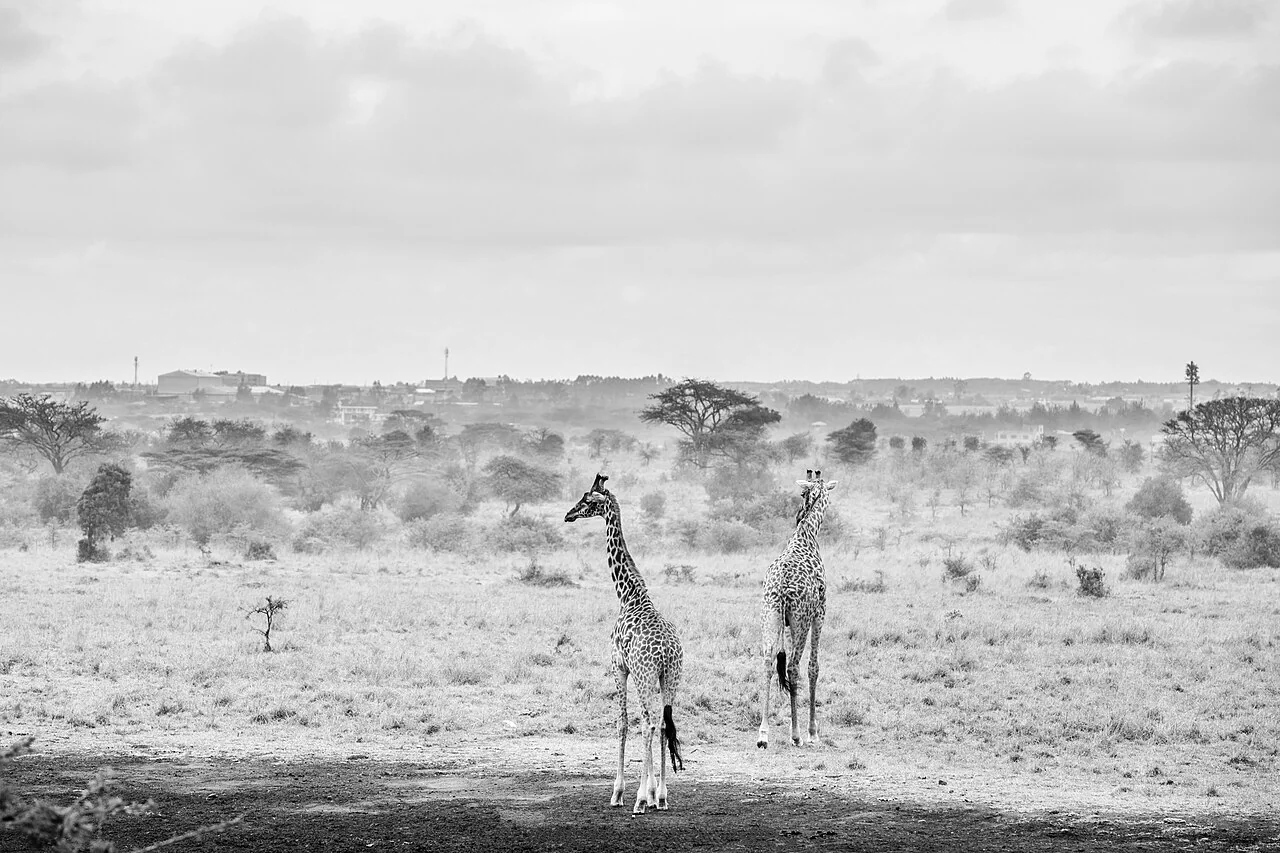
Giraffes in Nairobi National Park, Kenya.
01 / City & connections

Nairobi, city and savannah

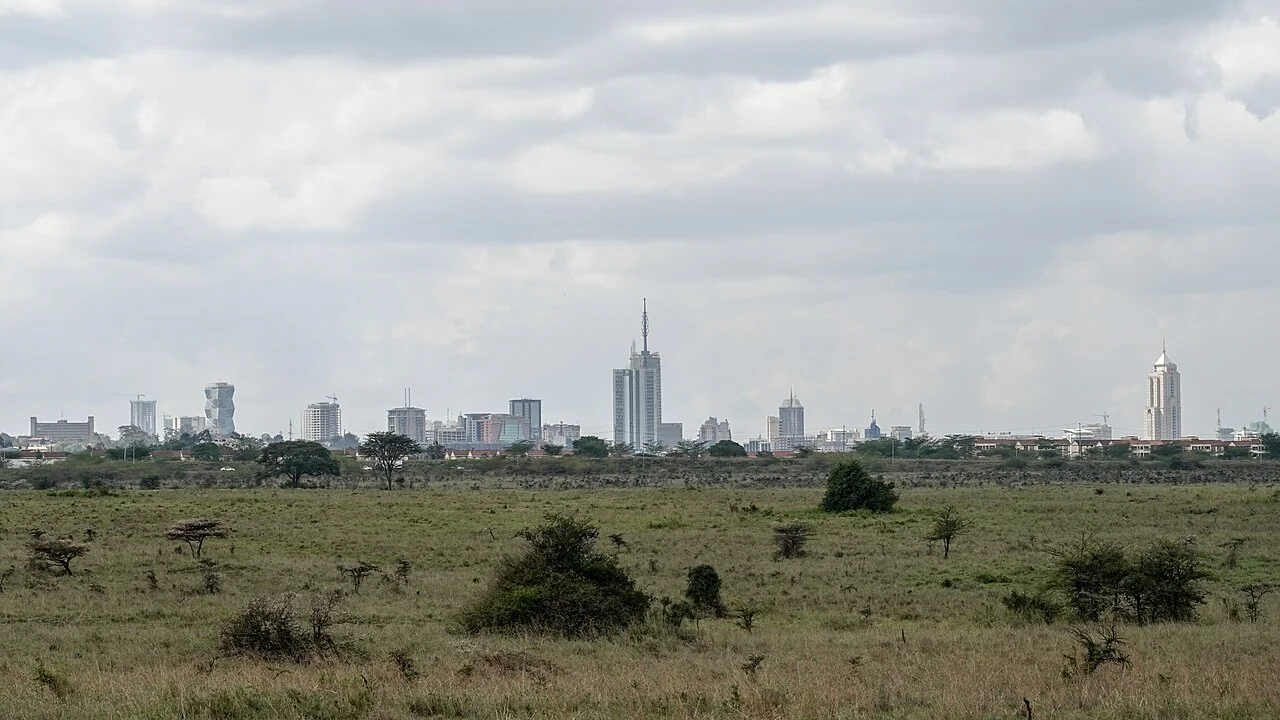
Nairobi’s skyline beside open wildlife country is one of Kenya’s distinctive contrasts. Its business role and the wider country’s visitor experiences deserve separate time and attention.


02 / Landscape & heritage

Nairobi National Park

Open grassland, giraffes and a city on the horizon make this park a distinctive introduction to Kenya’s wildlife. The destination guide sets out the wider possibilities and areas covered by our visit planning.

Explore the source
Explore the country briefing
Market at a Glance

An East African market, researched separately. The largest and most diversified economy Capital Africa covers.
Kenya is part of our wider African coverage. We combine country research with introductions and local coordination through our network, shaping the support around your sector, destination and business objective.

It is the largest and most diversified economy covered, at roughly USD 136 billion with a population of about 57.5 million in 2025. GDP per capita of around USD 2,363 sits between Ghana and Guinea.

The national statistics office reports real GDP growth of 4.6 per cent in 2025, against 4.7 per cent in 2024, in its Economic Survey 2026. Agriculture, forestry and fishing, which the same survey puts at over 20 per cent of the economy, grew 3.1 per cent in 2025. These are official figures with a stated reference year, which is the standard applied throughout this section.

Commercially the economy is genuinely broad: agriculture and horticulture, manufacturing, a financial sector with unusual depth for the region, a well-established technology and business services sector centred on Nairobi, and a logistics role serving inland East and Central Africa through Mombasa.

For a business used to West African markets, three things differ materially: the depth of the financial sector and of mobile payments, the scale of the domestic consumer market, and the level of existing competition. Kenya is a more contested market, which is a signal of viability and a barrier at the same time.

Key Sectors

Where the Activity Actually Is.

Agriculture and horticulture[1]

Why it matters
The largest single contributor to output, at over 20 per cent of the economy on the 2026 Economic Survey.
What exists
Tea, coffee, horticulture, dairy and livestock, with an established export trade.
Where opportunity may be
Processing, cold chain and export logistics.
Limitations
Rainfall dependence and, on the survey’s own account, softness in coffee production and fruit exports in 2025.

Manufacturing[2]

Why it matters
Named among the priority sectors and identified in the 2026 survey as contributing to growth recovery.
What exists
A diversified base including food processing, textiles and apparel, and construction materials.
Where opportunity may be
Import substitution and regional export within the EAC and COMESA.
Limitations
Energy costs and competition from established producers.

Technology and financial services[2]

Why it matters
Nairobi is an established regional centre, and mobile money penetration is unusually deep.
What exists
Banking, payments, mobile money and a substantial technology and business services sector.
Where opportunity may be
Payments, lending technology and services to businesses across the region.
Limitations
Regulatory licensing and a competitive incumbent field.

Logistics and ports[5]

Why it matters
Mombasa serves inland East and Central African markets as well as Kenya itself.
What exists
The Port of Mombasa, an inland container depot network, and the newer facility at Lamu.
Where opportunity may be
Handling, warehousing, inland transport and transit services.
Limitations
Established operator positions. Port performance claims should be checked against independent data rather than promotional material.

Energy[2]

Why it matters
Named a priority sector, with a generation mix that already includes substantial renewables.
What exists
Geothermal, wind, hydro and solar generation alongside thermal.
Where opportunity may be
Generation, distribution, e-mobility and clean cooking.
Limitations
Offtake structures and tariff regulation require direct confirmation.
Trade

What Moves, and Where.

Regional position

  • East African Community (EAC)
  • COMESA
  • African Union
  • AfCFTA

No trade values or partner shares are published for Kenya. Figures circulate in secondary sources, but this review could not settle them against a dated official release, and an undated number is worse than none. What was checked, and where it fell short, is set out under Where This Comes From.

Doing Business

The Practical Environment.

  • English and Kiswahili are the official languages. English is the working language of law and commerce.
  • Company incorporation is handled by the Business Registration Service.
  • InvestKenya, working with the State Department for Investment Promotion, is the investment promotion and facilitation body, and published an Investors Guide to Kenya for 2026.
  • Kenya is a member of the East African Community and of COMESA, which matters for regional market access and rules of origin.
  • Mobile money is embedded in everyday commerce to an unusual degree and should be considered in any consumer-facing payment design.

Tax

  • Corporate tax, VAT and sector-specific rates are administered by the Kenya Revenue Authority and revised through the annual finance legislation. Current figures should come from the KRA directly.[3]

Institutions

  • Kenya Investment Authority (InvestKenya), with the State Department for Investment Promotion[2]

    Investment promotion, facilitation and aftercare. InvestKenya published an Investors Guide to Kenya for 2026.

  • Business Registration Service[3]

    Company incorporation and the statutory register.

  • Kenya Revenue Authority[3]

    Domestic tax and customs administration.

  • Kenya Ports Authority[5]

    Operation of Kenya’s seaports, principally Mombasa, and the inland container depot network.

These are the relevant public institutions. Listing them describes the market. It does not indicate any relationship between them and Capital Africa.

Currency

Kenya shilling

KES

Central Bank of Kenya

The Central Bank of Kenya Act establishes the shilling as the national currency, with its external value market determined. Kenya has the deepest financial sector of any market covered here, and mobile money is embedded in everyday commerce to a degree that is unusual anywhere. Confirm current conversion and remittance practice with a local bank.[4]

No exchange rate is published here. Rates move, and a rate hardcoded into a web page is wrong within days.

Infrastructure and Logistics

How Goods Move.

Ports

  • Port of Mombasa[5]

    The principal seaport, serving Kenya and inland East and Central African markets through road, rail and an inland container depot network.

  • Port of Lamu[5]

    The newer facility developed in connection with the LAPSSET corridor programme. Its commercial role is still developing and should be assessed on current throughput rather than on programme ambition.

Corridors

  • Mombasa to Nairobi and onward to the Kenyan interior
  • The Northern Corridor serving Uganda, Rwanda, Burundi, eastern DRC and South Sudan
  • LAPSSET, a longer-term corridor programme centred on Lamu

Commercial centres

Nairobi, Mombasa, Kisumu, Nakuru

Areas Worth Understanding

Where Commercial Interest Tends to Sit.

These are areas, not projects. Nothing here is a listing, a transaction or something available to participate in.

  • Agricultural processing and cold chain

    Driver

    Agriculture at over 20 per cent of the economy on 2026 official figures, with an established export trade in horticulture and tea.

    Still needs investigation

    Feedstock consistency, cold chain gaps on the specific route, and current export demand.

    Who it suits

    Processing operators and investors funding cold chain.

  • Regional logistics through Mombasa

    Driver

    A port serving several landlocked inland markets through the Northern Corridor.

    Still needs investigation

    Actual throughput and dwell data rather than promotional figures, incumbent positions, and inland corridor reliability.

    Who it suits

    Logistics operators and freight businesses.

  • Payments and business technology

    Driver

    Deep mobile money penetration, an established technology sector, and regional reach from Nairobi.

    Still needs investigation

    Licensing route with the Central Bank, competitive position against strong incumbents, and unit economics.

    Who it suits

    Financial technology and business services companies.

Risks and Realities

What to Plan Around.

Commercial constraints, stated as implications rather than as commentary. A market can carry real opportunity and real constraint at the same time.

  • Plan the local support around the assignment

    Country research, introductions and local coordination are brought together through our wider network. Agree the scope, specialist input and local arrangements before making commitments.

  • Competitive market

    The most contested market covered. Strong incumbents exist in most sectors, and a differentiated position is needed rather than simply a good product.

  • Currency and cost base

    The shilling is market determined. Dollar-denominated costs against shilling revenue is the standard exposure to model.

  • Weather dependence in agriculture

    A large share of output remains rainfall dependent, and the 2026 survey records softness in coffee and fruit exports in 2025.

  • Regulatory and fiscal change

    Tax and sector rules are revised through annual finance legislation. Model sensitivity to change rather than assuming stability.

Compliance considerations

  • Business Registration Service incorporation and any sector licensing.
  • Central Bank of Kenya licensing for financial services and payments.
  • EAC and COMESA rules of origin where regional trade preference is relied on.
  • Data protection obligations for consumer-facing digital businesses.
  • Counterparty, beneficial ownership and sanctions screening.

These identify questions to ask. They are not legal conclusions, and current requirements should be confirmed with qualified local counsel.

Before Entering This Market

A Working Checklist.

  1. 01Define the commercial objective and whether it targets Kenya or the wider East African region
  2. 02Understand that Capital Africa researches this market rather than operating in it
  3. 03Confirm sector licensing with the relevant Kenyan regulator
  4. 04Assess the incumbent competitive field honestly before committing
  5. 05Confirm EAC or COMESA rules of origin if regional preference is part of the case
  6. 06Model currency exposure on a market-determined rate
  7. 07Identify and verify potential partners independently
  8. 08Validate logistics through Mombasa at your actual volumes
  9. 09Obtain Kenyan legal and tax advice on current requirements
Your visit, thoughtfully arranged

Arrive With a Plan.

Tell us what brings you to Kenya. We can coordinate the practical details around your visit.

Aerial view of a coastal city and its bay under a dusk sky.

Hotels & accommodation

Hotel options around your meetings, preferred comfort and budget, with booking arrangements agreed before arrival.

Book Consultation
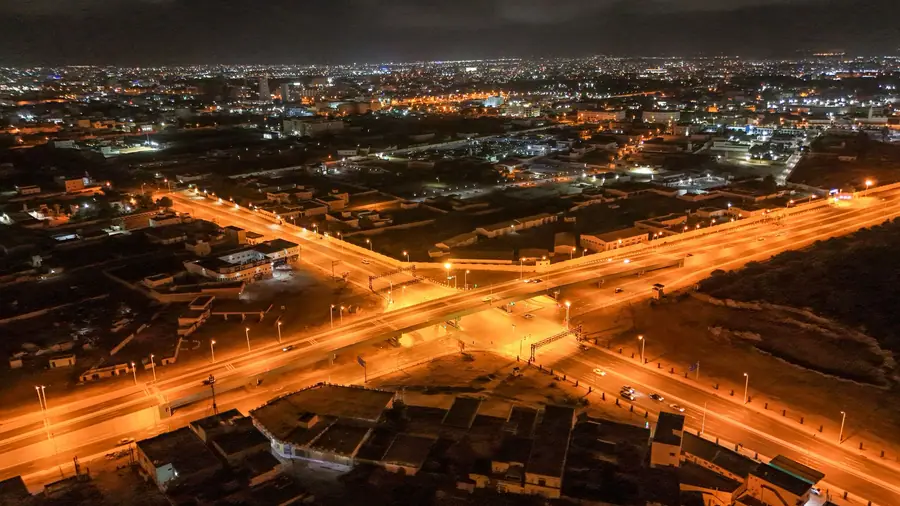
Aerial night view of illuminated roads and an interchange in Nouakchott, Mauritania.

Private cars & airport transfers

Airport pickup, a vehicle with a driver, and transport between meetings or sites, planned around your itinerary.

Book Consultation
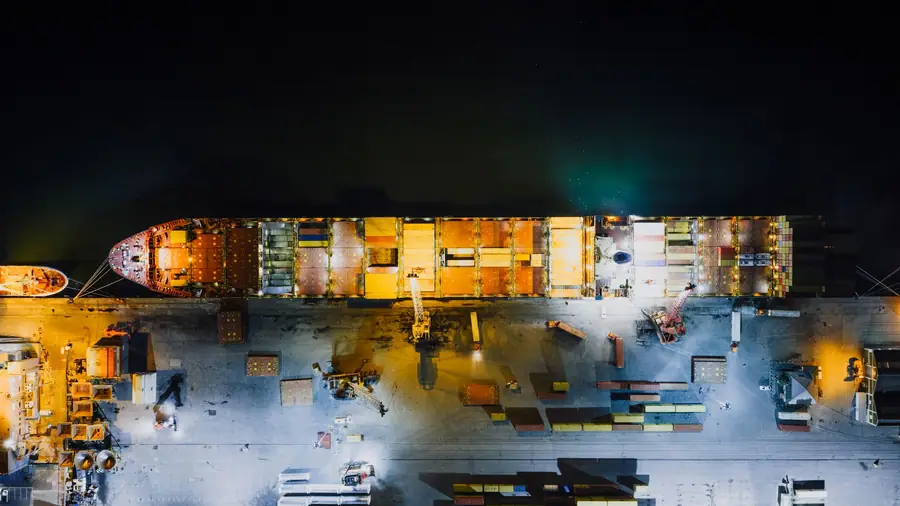
Top-down night view of a cargo ship and floodlit quay at Cape Town harbour.

Security & escort arrangements

Coordination with appropriately licensed security providers when requested, with the scope and availability confirmed for your visit.

Book Consultation
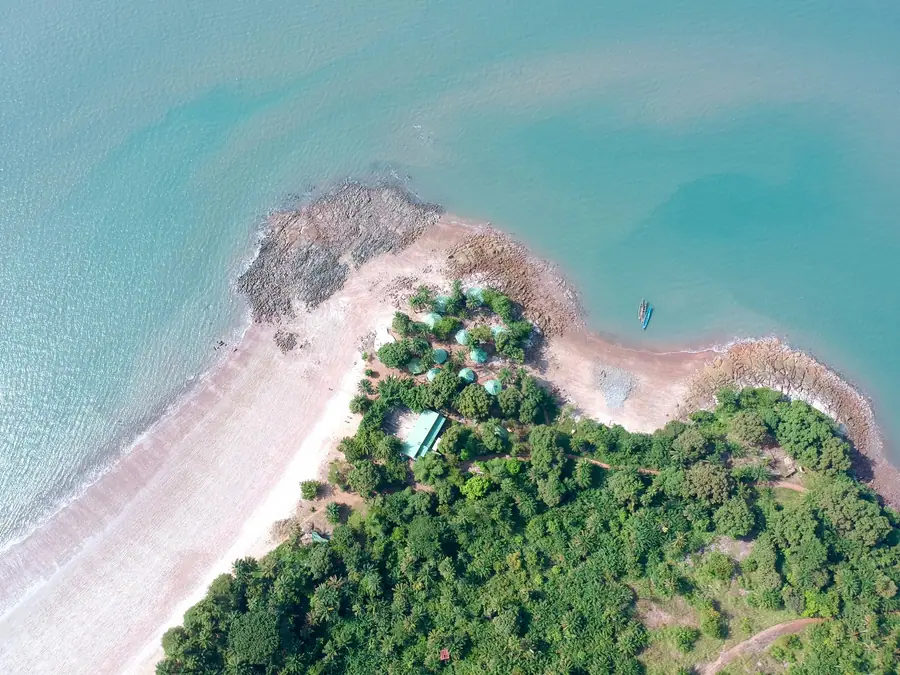
Aerial view of a beach, rocks and forest on the Conakry coastline, Guinea.

Local hosts & interpreters

Local orientation, guides and language support, so your time in the country has context and a point of contact.

Book Consultation

Your hotel, vehicle, providers, scope and costs are confirmed before booking.

Next Step

Considering Kenya?

This briefing is what the public record establishes. What it cannot tell you is how Kenya works for your sector, your structure and your timeline, which is the assessment.

Book Consultation
Sources and Further Reading

Where This Comes From.

Numbered references in the text point here. Each source is labelled by what it actually is. A central bank, a licensing regulator and a national statistics office are all authoritative and are not the same thing.

Show all 7 sources

Economic data

  1. [1]Economic Survey 2026Kenya National Bureau of Statistics · National statistics · accessed 2026-08-20
  2. [6]The Economic Survey Report 2026 official launchState Department for Economic Planning, Kenya · Government · accessed 2026-08-20
  3. [7]Kenya country dataWorld Bank · Multilateral · accessed 2026-08-20

Government

  1. [2]Investors Guide to Kenya, 2026Kenya Investment Authority (InvestKenya) · Government · accessed 2026-08-20
  2. [3]Invest in KenyaState Department for Investment Promotion · Government · accessed 2026-08-20

Central bank

  1. [4]Central Bank of KenyaCentral Bank of Kenya · Central bank · accessed 2026-08-20

Trade

  1. [5]Kenya Ports AuthorityKenya Ports Authority · Government · accessed 2026-08-20

What we could not settle

  • Growth figures are taken from reporting on the KNBS Economic Survey 2026 rather than from the survey document itself, which was not read directly in this pass. Reference years are stated. Confirm against the KNBS release before use in a client document.
  • No Kenya Ports Authority performance or ranking claims are published. Promotional superlatives about Mombasa were rejected, and the page directs any assessment to independent throughput data.
  • The InvestKenya priority sector list is long. Only sectors with corroborating evidence from the Economic Survey or with clear structural grounds are given sector entries here. The remainder are not published simply because they are marketed.
  • Tax rates are not published. They are revised annually through finance legislation.
  • LAPSSET is described as a corridor programme whose commercial role is still developing, not as established infrastructure.

Capital Africa market briefing: Kenya. Last reviewed August 2026, next review February 2027. Every figure above carries its reference year and its source.