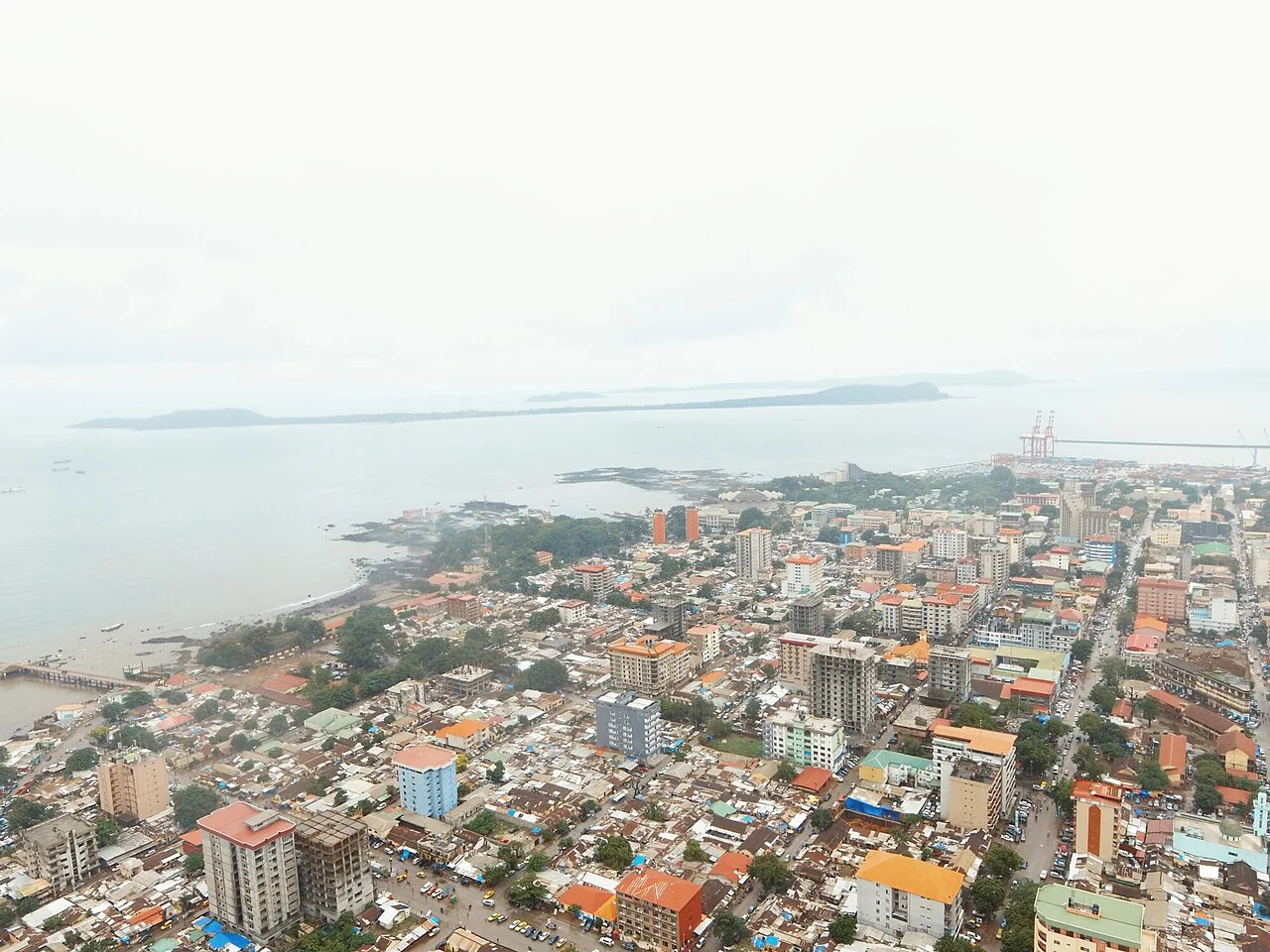
Conakry and the Atlantic gateway
Guinea’s coastal capital is a starting point for understanding the country’s commercial life. The market briefing explores how the port, mineral sector and inland corridors connect.

 West AfricaPrimary hub
Republic of Guinea
The larger of the two hub economies, resource-led, francophone, and in the middle of a very large infrastructure build.
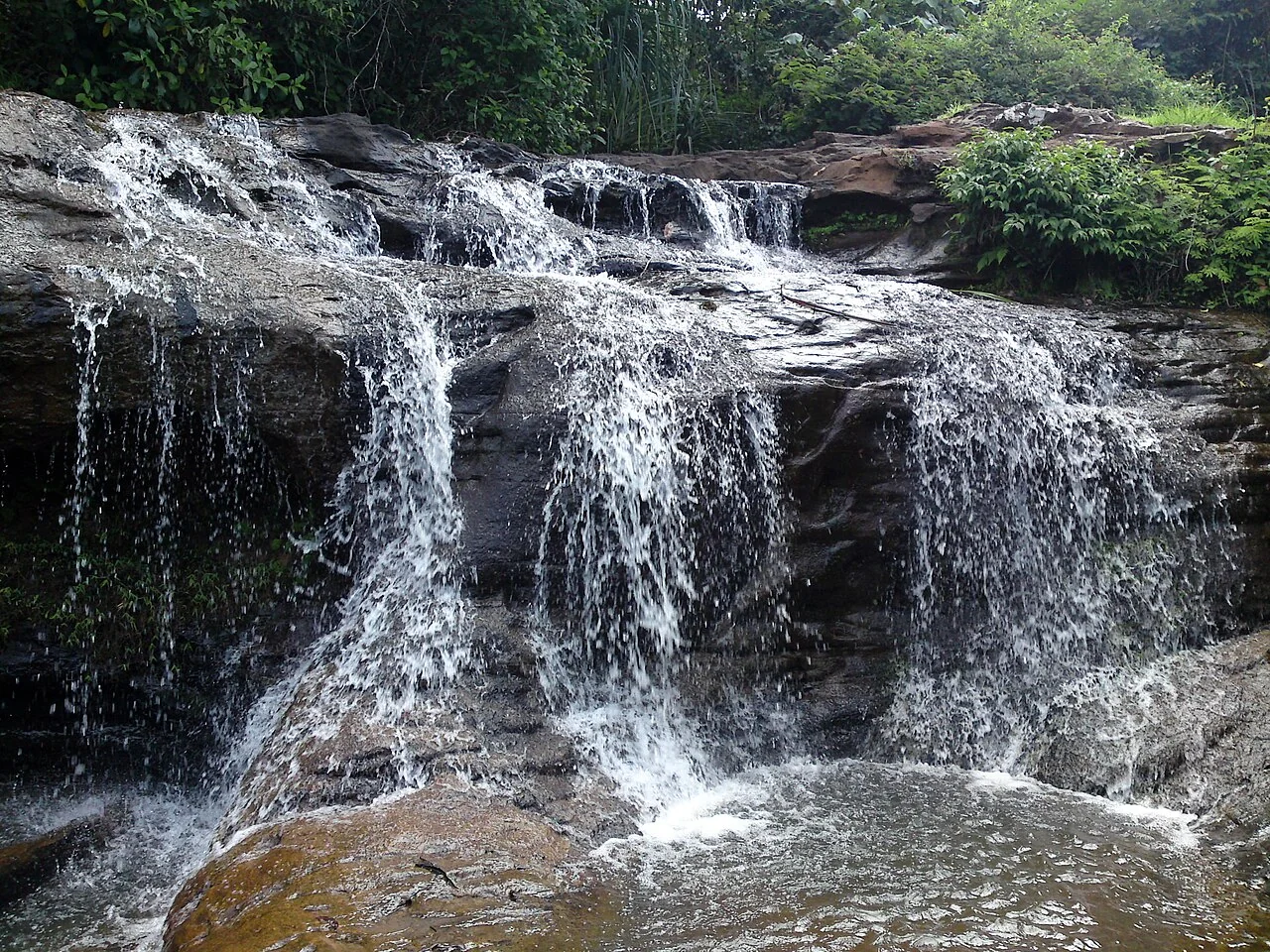
Guinea’s coastal capital is a starting point for understanding the country’s commercial life. The market briefing explores how the port, mineral sector and inland corridors connect.
Waterfalls, green plateaus and walking country reveal a different side of Guinea. The Fouta landscape is a useful reminder of how much the country changes beyond Conakry.
Explore the sourceWhether you are starting with an idea, an established company or equipment ready to work, we help you investigate the market, meet relevant people and organise the support you need on the ground.
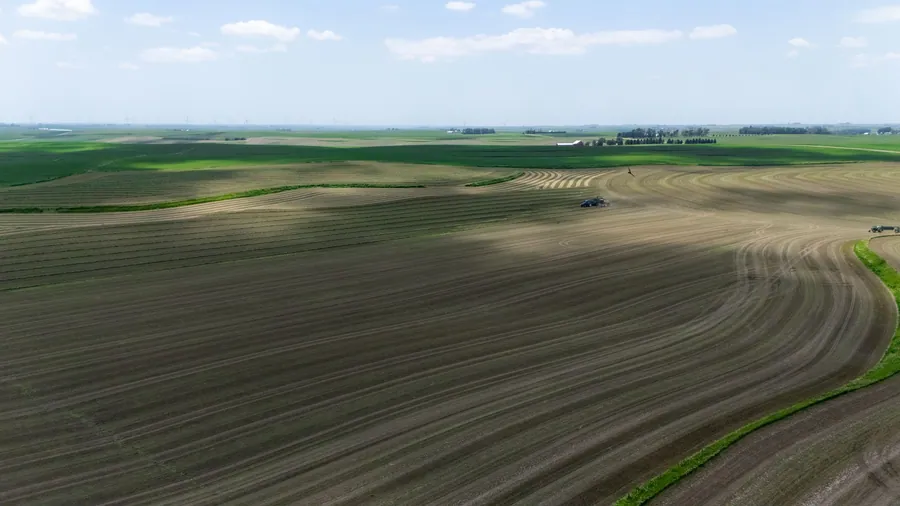
Rice, cassava, cocoa, palm oil, vegetables or livestock: develop a farm around your experience, investment plans and intended customers.
We arrange farm and land visits, coordinate land-rights checks and agronomist introductions, and help explore irrigation, equipment, processing and distribution.
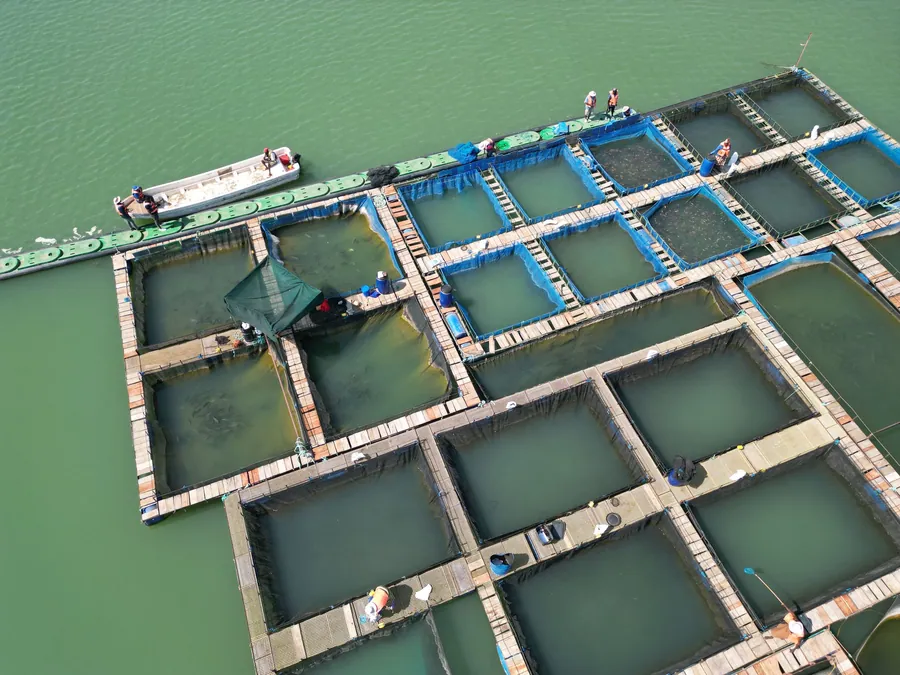
Explore fish ponds, hatcheries, feed supply, seafood processing or refrigerated distribution as a business in its own right.
We connect you with aquaculture specialists and operators, arrange site assessments and help investigate water, permits, inputs, cold storage and buyers.
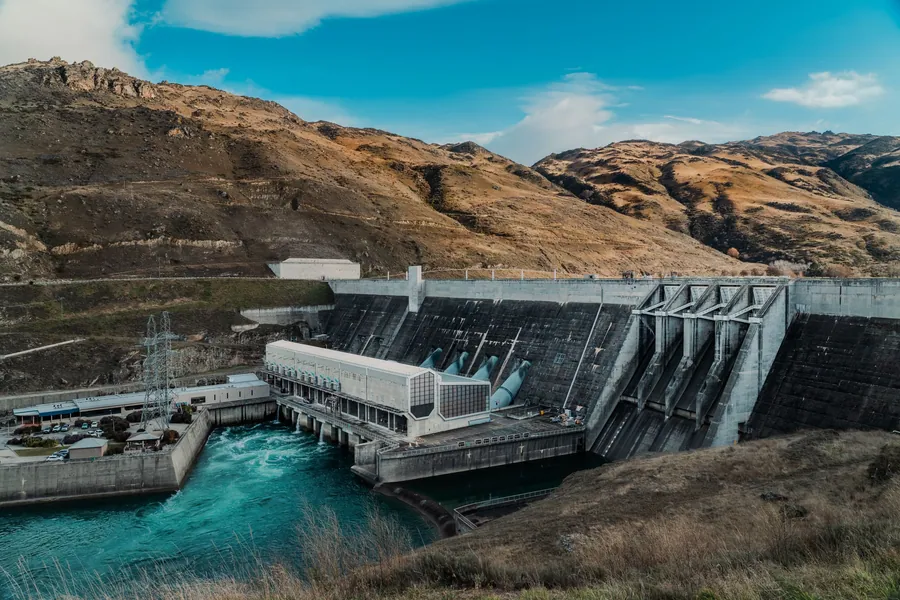
Supply solar systems, develop a power project or establish an energy-services business for homes, farms and commercial customers.
We research customers and locations, arrange project visits and connect engineering, installation and licensing specialists for solar, hydropower and on-site generation.
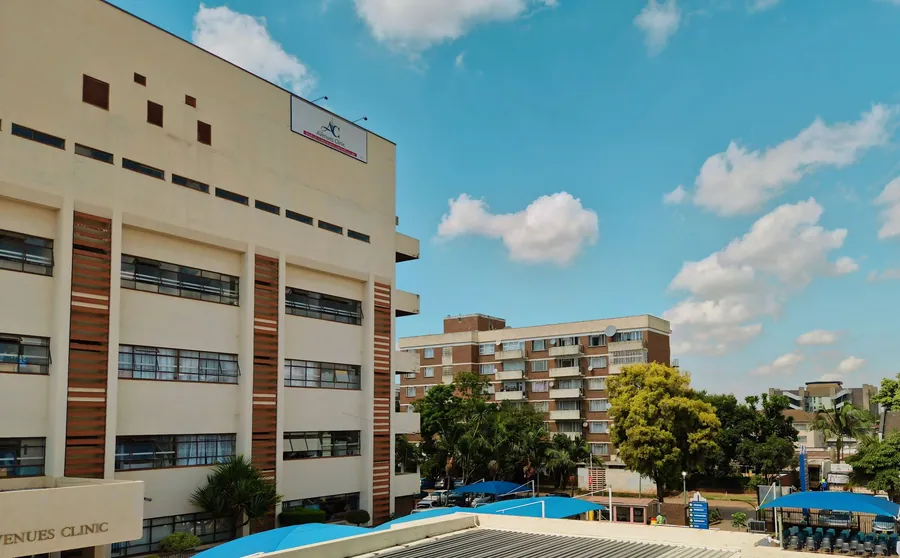
Bring healthcare expertise, medical equipment or a new facility concept to Guinea or Sierra Leone.
We help research locations and service needs, arrange meetings with healthcare operators and qualified advisers, and coordinate site, staffing and licensing enquiries.
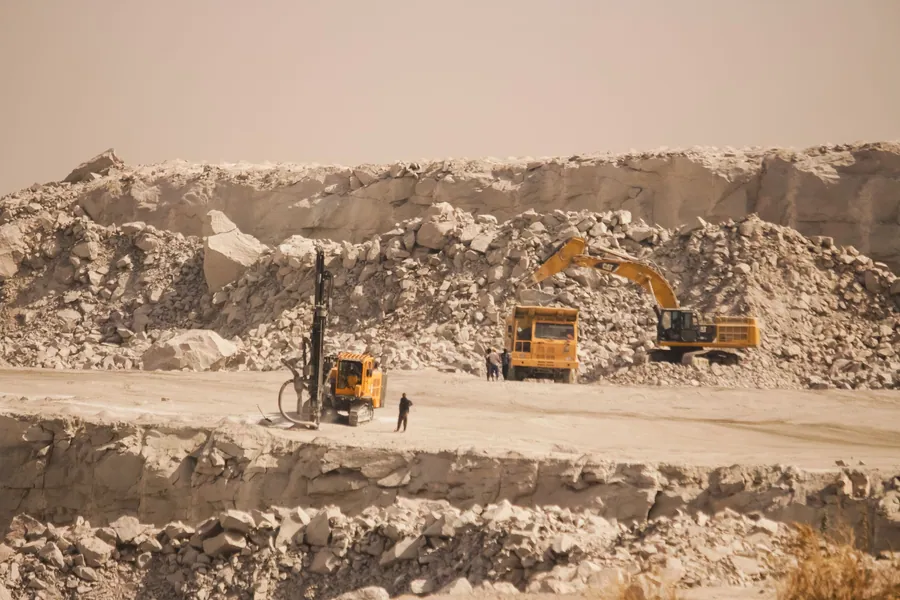
Own excavators, loaders, cranes, trucks or generators? Explore a rental, leasing or maintenance business serving local contractors and operators.
We research potential customers and utilisation, introduce local operating partners and help plan import arrangements, storage, maintenance and commercial terms.
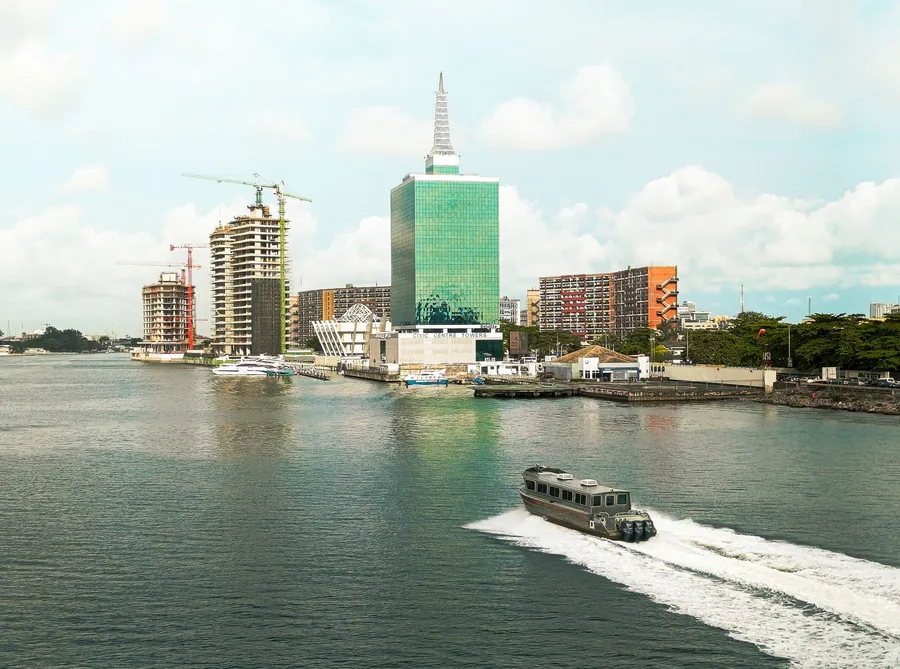
Bring your existing company into Guinea or Sierra Leone, whether you provide engineering, shipping, distribution or professional services.
We help identify premises, local partners and professional advisers, coordinate registration enquiries and customer meetings, and support your first working visit.
Guinea is by some distance the larger of Capital Africa’s two primary hubs, with GDP of roughly USD 28 billion and a population of about 15 million in 2025. GDP per capita, at around USD 1,877, is more than double Sierra Leone’s or Liberia’s.
The economy is mining-led to an unusual degree. Guinea holds a very large share of world bauxite reserves and is among the leading exporters of the mineral, and mining dominates export earnings. Much of that bauxite still leaves the country in raw form, which is the recurring policy question and the recurring commercial one.
The Simandou iron ore development has reshaped the medium-term picture. It is an integrated mine, rail and port programme of a scale rarely seen on the continent, and its effects extend well beyond iron ore into construction, logistics, services and SME supply chains. The government has named its wider national development framework Simandou 2040, with pillars covering agriculture and food industries, infrastructure and transport, education, finance, and health. For an incoming business, Simandou matters as market context rather than as something to participate in directly.
Guinea is francophone, and that is a practical fact rather than a detail. Contracts, regulation, correspondence and most institutional dealing happen in French. Anglophone businesses that treat this lightly tend to discover the cost late.
The constraints are the familiar ones of a fast-moving resource economy: regulatory change, concentration in a single sector, foreign exchange management, and the difficulty of confirming who actually holds what.
Mining dominates export earnings, with bauxite the principal export. Bpifrance reports the mining sector at around 90% of export revenue.[4]
Guinea’s investment promotion agency and single window for investors. APIP handles investment promotion, business creation including name reservation and company registration, and SME support. It works within the national development framework known as Simandou 2040.
Company registration, business name reservation and legal publication are handled through APIP acting as the single window.
These are the relevant public institutions. Listing them describes the market. It does not indicate any relationship between them and Capital Africa.
Guinean franc
GNF
Banque Centrale de la République de Guinée (BCRG)
The BCRG was established in 1960 and is headquartered in Conakry. The franc is not pegged, and large-value transactions are commonly discussed in hard currency. Confirm the settlement currency and the conversion mechanism in writing before agreeing terms.[2]
No exchange rate is published here. Rates move, and a rate hardcoded into a web page is wrong within days.
Conakry, Kamsar, Boké, Kankan
These are areas, not projects. Nothing here is a listing, a transaction or something available to participate in.
Driver
Large-scale, long-life mining and infrastructure activity generates sustained demand for goods, services and maintenance.
Still needs investigation
Actual procurement routes, prequalification requirements and incumbent supplier positions.
Who it suits
Industrial suppliers and service businesses with the capacity to operate to international standards locally.
Driver
A domestic market of roughly 15 million, a stated national priority, and agricultural land.
Still needs investigation
Raw material availability by season, power reliability, and distribution economics.
Who it suits
Food industry operators and investors funding processing capacity.
Driver
Port extension and a heavy resource freight task alongside general cargo.
Still needs investigation
Existing concession structures, capacity data and land rights.
Who it suits
Logistics operators and infrastructure investors.
Commercial constraints, stated as implications rather than as commentary. A market can carry real opportunity and real constraint at the same time.
With mining reported at around 90% of export revenue, the wider economy and foreign exchange availability track a narrow set of commodity prices.
Francophone civil law and French-language documentation. Anglophone assumptions about contract drafting and process do not transfer directly.
Mining and investment terms have moved before. Model downside cases and confirm current terms rather than relying on published summaries.
Association with a large national programme is frequently claimed by counterparties. Treat any such claim as unverified until confirmed independently.
The franc is not pegged. Agree settlement currency and conversion mechanism in writing before terms are fixed.
These identify questions to ask. They are not legal conclusions, and current requirements should be confirmed with qualified local counsel.
Tell us what brings you to Guinea. We can coordinate the practical details around your visit.

Hotel options around your meetings, preferred comfort and budget, with booking arrangements agreed before arrival.
Book Consultation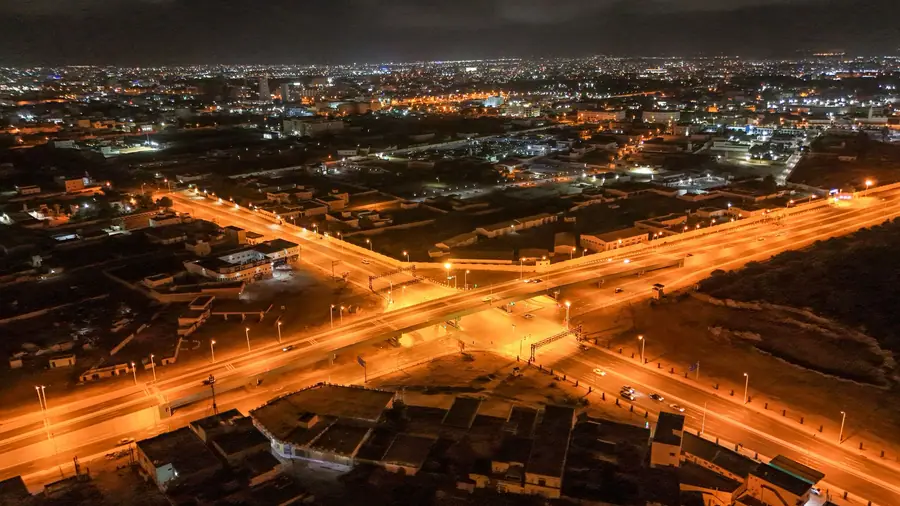
Airport pickup, a vehicle with a driver, and transport between meetings or sites, planned around your itinerary.
Book Consultation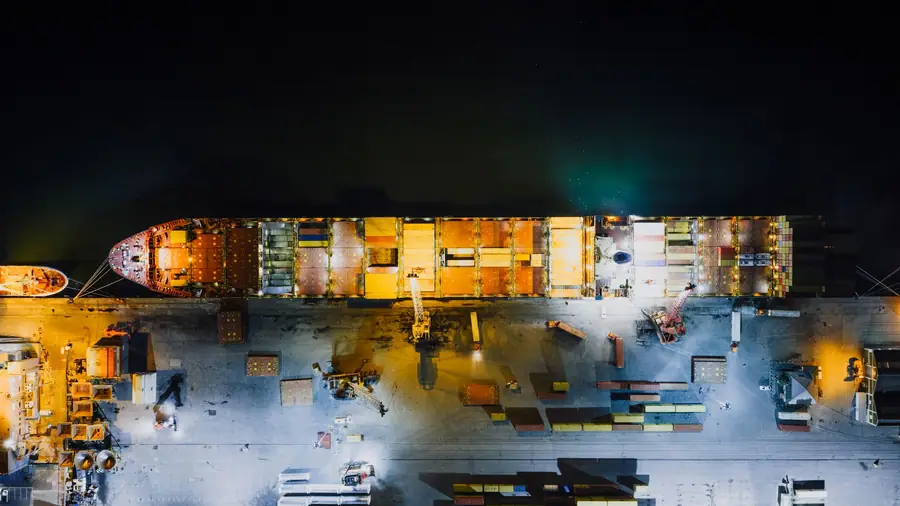
Coordination with appropriately licensed security providers when requested, with the scope and availability confirmed for your visit.
Book Consultation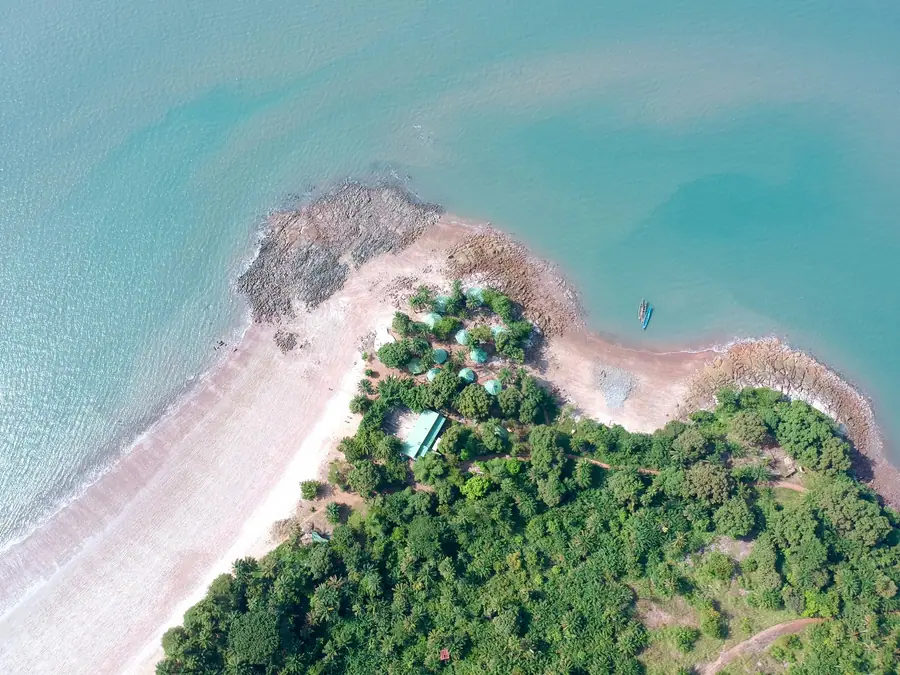
Local orientation, language support and coordination around the business appointments you came to make.
Book ConsultationWe arrange meeting requests with the relevant ministries and agencies in Guinea, prepare agendas and documents, and coordinate transport, interpreters and delegation logistics. Appointments are confirmed by the receiving office.
Your hotel, vehicle, providers, scope and costs are confirmed before booking.
This briefing is what the public record establishes. What it cannot tell you is how Guinea works for your sector, your structure and your timeline, which is the assessment.
Book ConsultationRelated on this site
Numbered references in the text point here. Each source is labelled by what it actually is. A central bank, a licensing regulator and a national statistics office are all authoritative and are not the same thing.
Capital Africa market briefing: Guinea. Last reviewed August 2026, next review February 2027. Every figure above carries its reference year and its source.