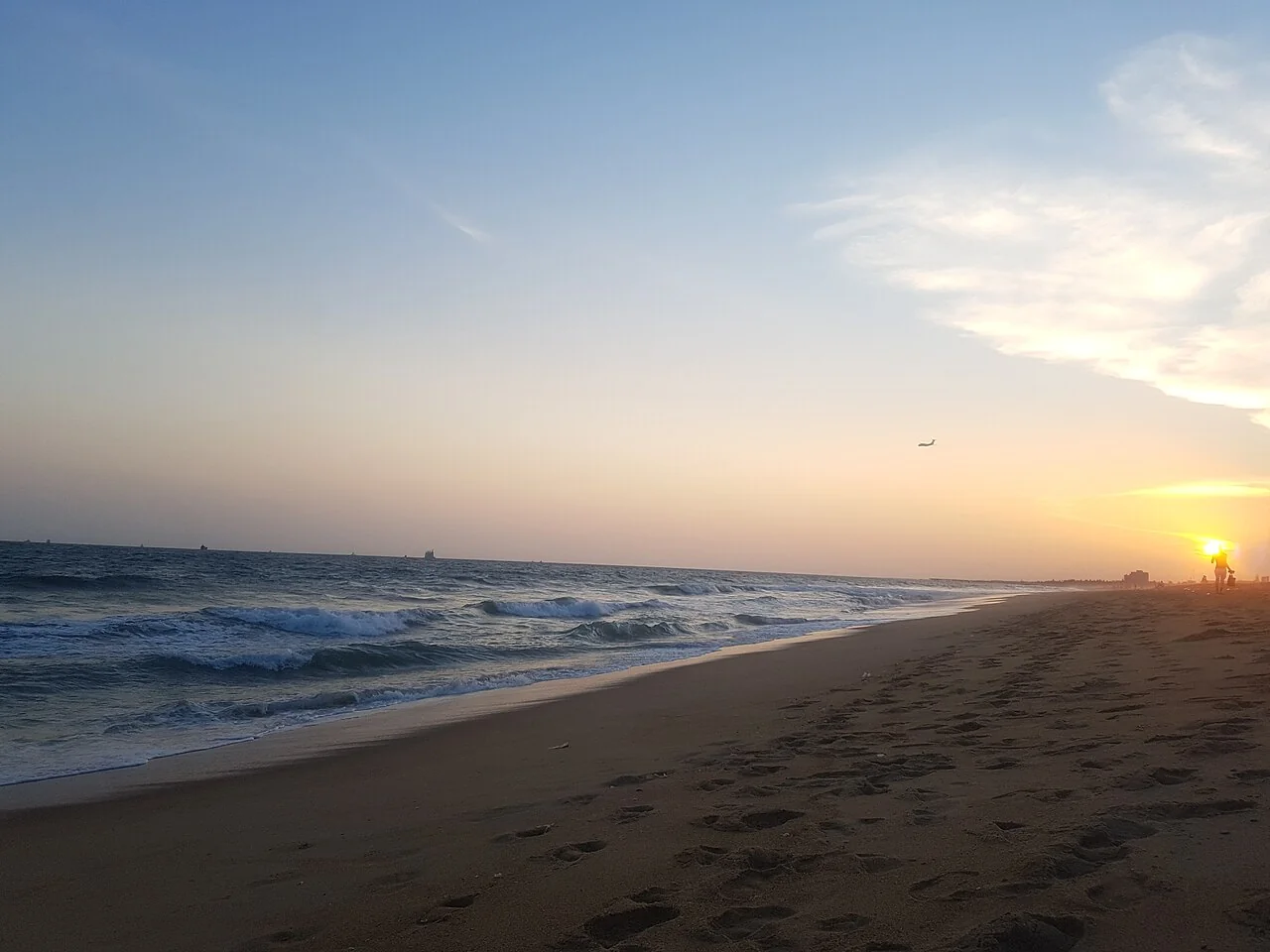
Lomé, markets and waterfront
Togo’s coastal capital offers a first encounter with the country’s markets and urban life. The destination guide introduces its cities, coast and practical planning considerations.

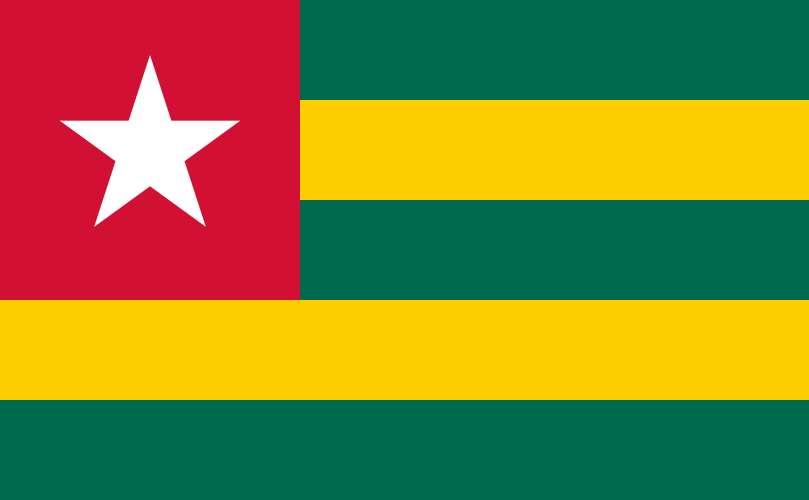 West AfricaAvailable with conditions
Togolese Republic
A narrow coastal country with a working port, a compact capital and an active official cultural programme.
We coordinate visits here, and there are conditions worth talking through first.
Togo is workable in the south and we coordinate visits to Lomé, the coast and the central regions. The US State Department places the country at Level 2 overall but designates the northern border region near Burkina Faso, and areas north of Kandé, as Do Not Travel because of terrorism and kidnapping. Koutammakou, the country’s UNESCO site, sits in the far north near that zone, so any heritage itinerary there is assessed against current guidance at the time of planning rather than offered as standard.
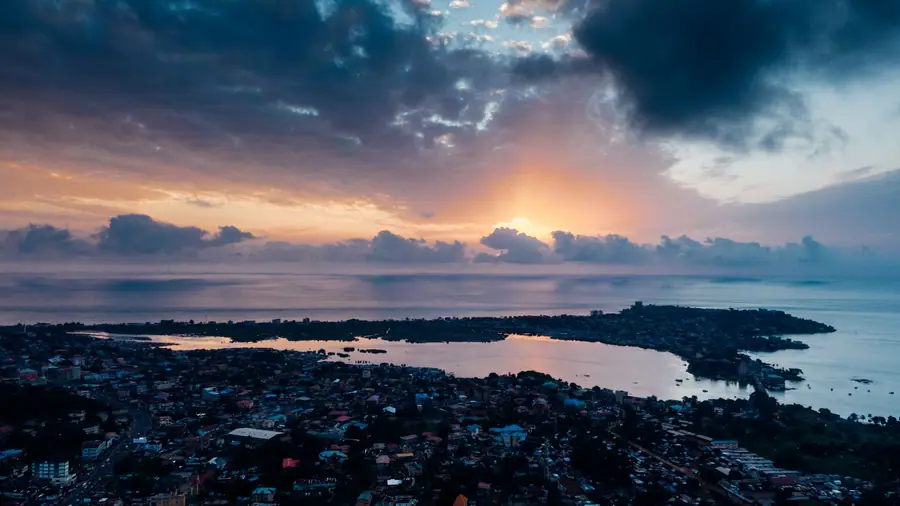
Togo’s coastal capital offers a first encounter with the country’s markets and urban life. The destination guide introduces its cities, coast and practical planning considerations.
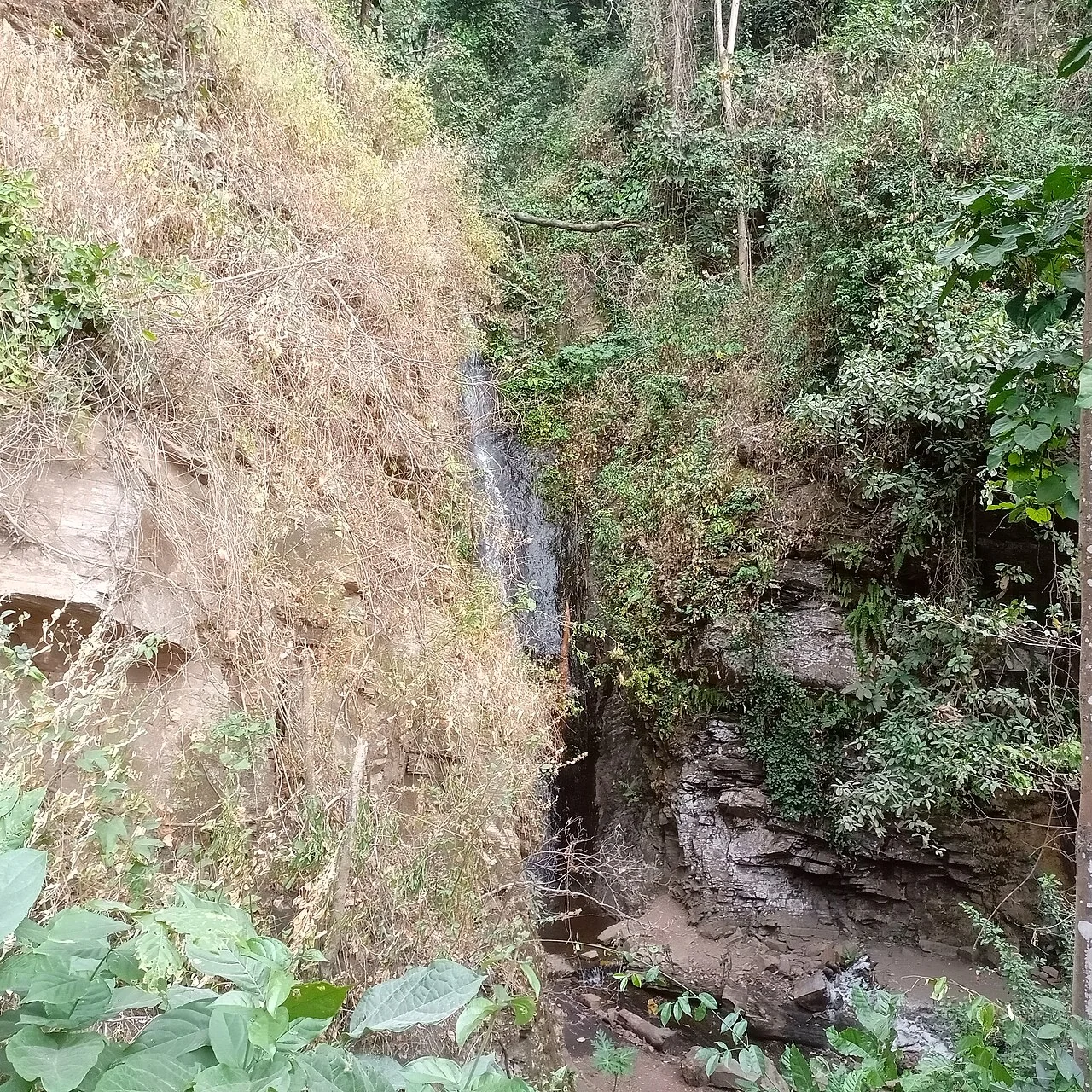
The hills around Kpalimé are known for waterfalls and green landscapes. They offer a different view of southern Togo from the capital’s waterfront.
Explore the sourceWritten from official sources and reviewed August 2026. Where a claim could not be settled, it is not here.
Togo is narrow and long, which makes the geography easy to describe and the travel planning unusually dependent on how far north you go. Lomé sits on the coast at the southern tip, with the port immediately beside the city, and conditions change materially as you move inland.
Lomé is the practical centre of a visit. It is a working capital with a large market, a coastal strip and the Port of Lomé, which is one of the significant deep-water ports on the West African coast and a transit gateway for landlocked neighbours. For a business visitor whose interest is regional logistics, that port is often the reason for the trip.
The Ministère du Tourisme, de la Culture et des Arts runs an active programme. In July 2026 it launched the first EVALA Explore circuits around Kara, one of which took participants to Koutammakou. That is a real, dated official activity rather than a marketing claim, and it is useful evidence that the cultural programme is live.
Koutammakou, the land of the Batammariba, was the first cultural landscape in Africa inscribed on the UNESCO World Heritage List. It is also in the far north, close to the area the US advisory tells travellers to avoid, and that tension is stated here rather than glossed over.
What this destination suits
The commercial case for a Togo visit is usually the Port of Lomé and the transit corridors running north to Burkina Faso, Niger and Mali. Lomé is compact enough that a business itinerary is efficient, and French is the working language, so an interpreter is usually worth arranging. We coordinate port-related and corridor-related business visits, which is the strongest part of our offer here.
The capital, on the coast beside the border with Ghana. The Grand Marché, the coastal road, and the Port of Lomé.
The main northern city and the base for the EVALA cultural programme and for access toward Koutammakou.
The first cultural landscape in Africa inscribed on the UNESCO World Heritage List, known for its takienta tower houses. It sits in the far north, near the area the US advisory designates Do Not Travel, and any visit is assessed against current guidance at the time of planning.
The central market and the coastal city, best seen with a guide who can explain what is traded and by whom.
The tourism ministry launched EVALA Explore circuits around Kara in July 2026, combining Koutammakou with the Sarakawa wildlife reserve. Programme dates are confirmed at planning time and are not assumed to repeat.
Beach frontage running east from the city. A working coast rather than a resort coast, and it should be understood that way.
Arrival and gateways
The single international air gateway, close to the city. A regional hub with connections across West and Central Africa.
Road transport runs the length of the country from Lomé north toward the Burkina Faso border, which is also the main freight corridor. Journeys north are long, and the further north you go the more the current advisory matters. There is no domestic scheduled air network to plan around.
The south has two rainy periods, roughly April to July and September to October, while the north follows a single wet season. The dry months are the more comfortable window for road travel and for the northern circuits. The EVALA festivities fall in July, which is within the southern rains.
Togo operates an online e-visa applied for before departure through the official government portal, with entry at Lomé airport and at designated land crossings. Citizens of ECOWAS member states enter without a visa but are still expected to complete the online immigration formalities before flying. A yellow fever vaccination certificate is required. Fees and processing times change and are not published here.
Official portalWe can help you work out what applies to you and prepare the application.
Ask about visa and entry supportGovernment advisories, attributed and dated. Where two governments disagree, both are published. Read them alongside your own government’s current advice, and note that travelling against it can invalidate your insurance.
Level 2: Exercise Increased Caution, with Do Not Travel areas
Increased caution nationally because of crime, terrorism, unrest, kidnapping and health, with the north designated separately.
Areas we do not plan travel to
As stated 9 March 2026
Travel conditions, entry requirements and government advisories change faster than any website. Everything here carries the date it was reviewed. Before you travel, check your own government’s current advice and confirm entry requirements with the relevant diplomatic mission.
Hotel options around your meetings, preferred comfort and budget, with booking arrangements agreed before arrival.
Book Consultation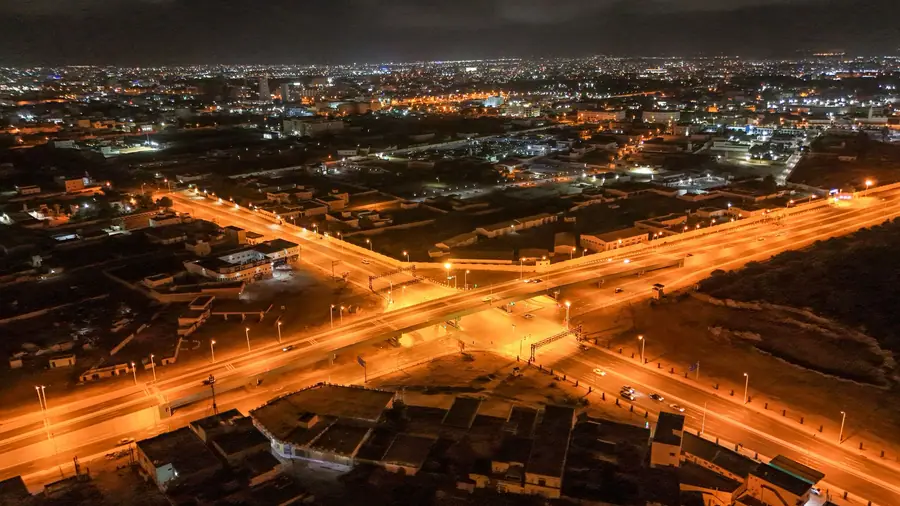
Airport pickup, a vehicle with a driver, and transport between meetings or sites, planned around your itinerary.
Book Consultation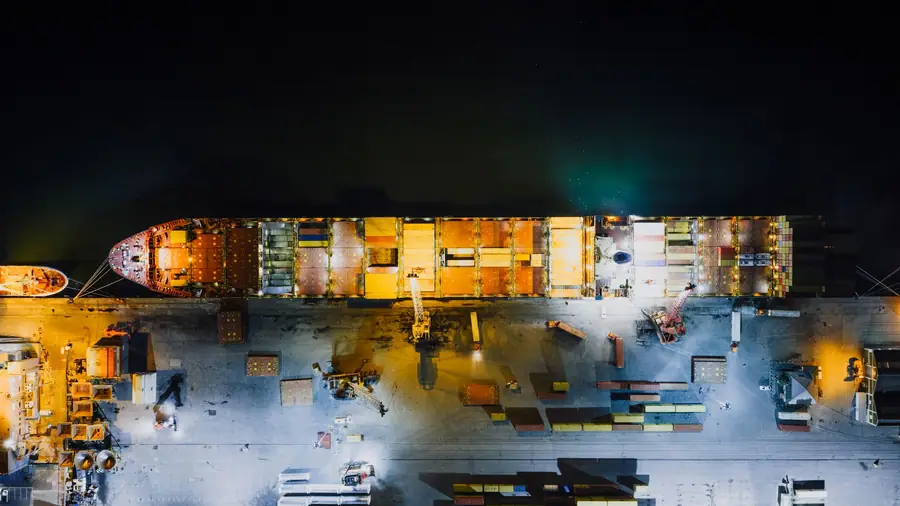
Coordination with appropriately licensed security providers when requested, with the scope and availability confirmed for your visit.
Book Consultation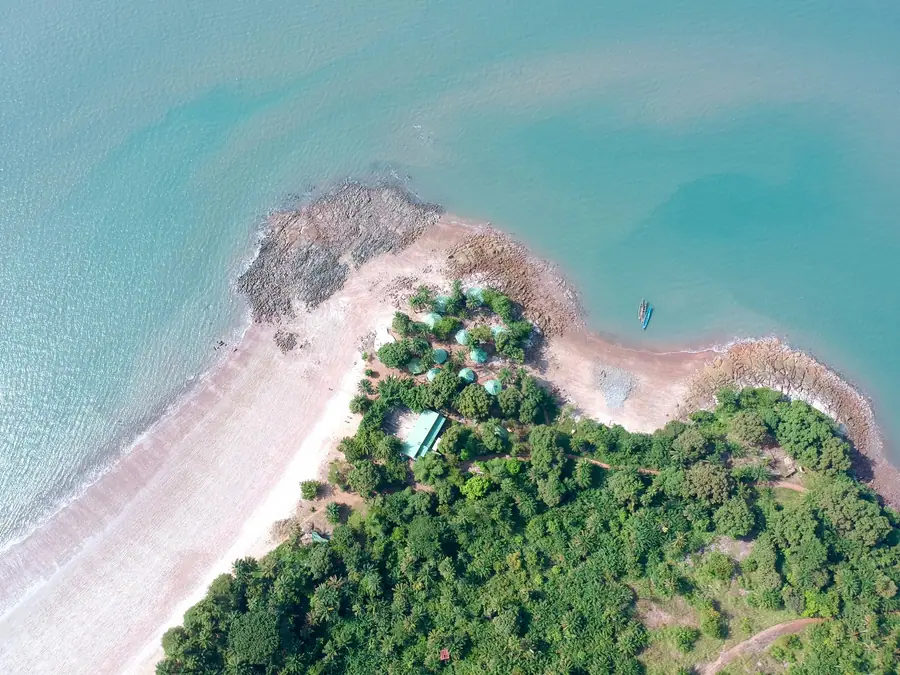
Local orientation, guides and language support, so your time in the country has context and a point of contact.
Book ConsultationYour hotel, vehicle, providers, scope and costs are confirmed before booking.
Tourism authorities, immigration and airport authorities, parks authorities, UNESCO and government travel advisories. Marketing copy was not used as evidence for anything, and travel blogs were not used at all.
Travel status last reviewed August 2026. Next review November 2026.