
Begin with the buyer’s specification
A crop name is not a complete commercial specification. Ask what product form, quality, packaging, quantity and delivery pattern the potential buyer needs. Record which requirements are written and which are still assumptions. Avoid promising a grade or certification that has not been established. The purpose of this brief is to organise the questions that determine whether your operation can meet a particular buyer’s needs.
Work back through the operation
Trace the proposed order from delivery back to storage, processing where relevant, aggregation and production. At each stage, identify capacity, timing, handling needs and the evidence available. Ask where quality could change and how batches would be identified. When specialist standards or destination requirements apply, confirm them with competent sources. Keep the operating plan tied to the actual product and route rather than a generic promise of export readiness.
Test the fit before promising volume
Build a small evidence-based plan for discussing a sample, trial order or supplier assessment where appropriate. Note the costs that must be understood before quoting: product, handling, packing, transport and relevant services. Do not turn uncertain capacity into a sales commitment. A good learning exercise ends with a list of gaps, an owner for each and a next conversation that can resolve them.
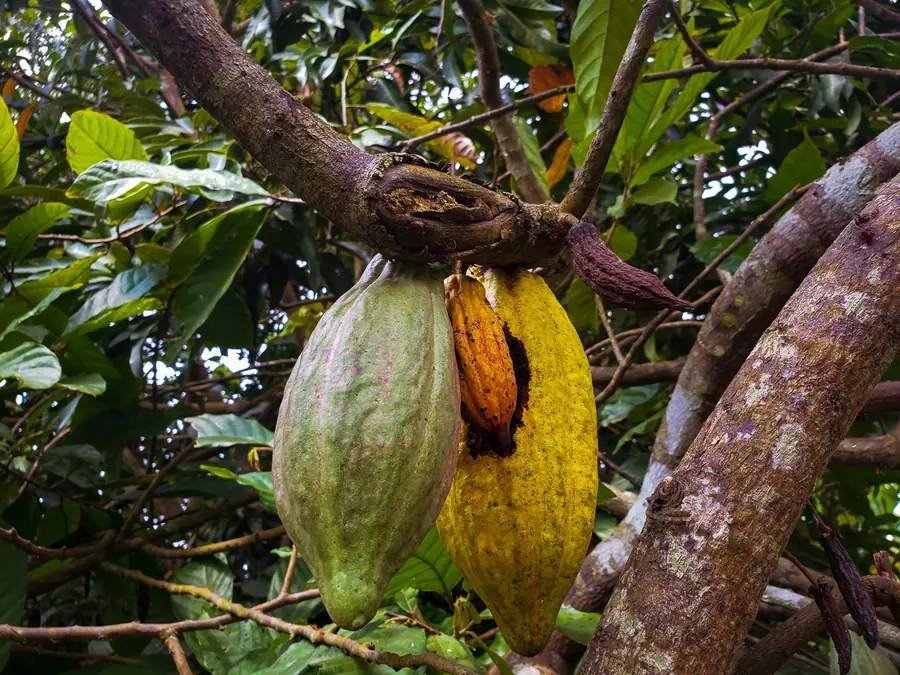
A fictional cocoa cooperative receives an enquiry for regular deliveries. It knows its total seasonal production but has not confirmed storage, grading or the buyer’s delivery schedule.
Use these prompts.
Work through a fictional example first. Keep confidential information out of shared learning discussions.
- 1. Buyer, intended use and written specification
- 2. Product form, quality and packaging requirements
- 3. Proposed volume and delivery schedule
- 4. Production, aggregation, storage and handling capacity
- 5. Specialist checks and evidence still needed
- 6. Trial or next discussion, with responsibilities and dates
Reading & context
The explanations and worksheet are original Capital Africa material. Consult the following sources for their own guidance and current context.
Educational material. It does not replace legal, financial, tax or engineering advice, laboratory testing, or current guidance from relevant authorities. The scenario is fictional.