
Build a food business from farm to customer.
You may want to develop a commercial farm, supply machinery, process a crop or build a fish-farming business. We help investigate the land, people, inputs and customers that make the proposal practical, then organise the local work around your priorities.
Choose your place in the food value chain.
Feed Salone’s published strategy addresses production, machinery and irrigation, inputs, processing and market access. These policy priorities help frame research; they do not establish that a particular farm, grant or contract is available.
Rice and commercial crop production
For rice, cassava, vegetables or another crop, investigate suitable land, seasonal conditions, water, soil, inputs and routes to buyers. We coordinate farm visits and independent agronomic advice.
Processing, storage and distribution
A mill, cassava-processing line or packing business needs reliable feedstock and a route to market. Assess supplier relationships, handling, power, product standards, storage and transport together.
Machinery and agricultural services
Bring tractors, harvesters, pumps, repairs or equipment-rental experience. We help investigate customer groups, seasonal utilisation, operator skills and maintenance arrangements.
Fish farming and the cold chain
For ponds, hatcheries or seafood handling, start with site suitability, water, feed, technical management and the intended customer. We can introduce relevant specialists and coordinate local enquiries.
Look at the whole operating environment.
A promising field or a willing partner is a starting point. A workable business needs technical, commercial and local evidence.
Land and the people connected to it
Identify the parties with rights and interests in the proposed site. Qualified local advisers should assess land arrangements, permissions and community considerations before a commitment.
Technical suitability and resilience
Arrange appropriate soil, water and site assessment. Review seasonal access, weather exposure, drainage, irrigation needs and the operating practices suited to the specific crop or production system.
Buyers and unit economics
Investigate expected customers, quality specifications, handling losses, input costs and distribution. Ask your commercial and technical team to test the assumptions rather than relying on a national demand headline.
Turn a farming idea into a useful field brief.
Tell us the production model you are considering and where you need local evidence.
New farms and processing projects
Share your crop or product, preferred scale, experience and information already gathered. We help shape the site, partner and specialist enquiries needed for feasibility work.
Established suppliers and operators
Share your equipment, service capability or processing requirements. We can arrange meetings with relevant businesses and investigate potential operating partnerships.
Local agribusinesses seeking partners
Describe your current activity, supply base and proposed expansion. A readiness discussion can identify the records, technical work and commercial information needed for suitable introductions.
Rice, cassava and palm oil: follow the product to market.
FAO’s November 2025 account of Sierra Leone’s agrifood investor summit includes rice, cassava and palm oil among the represented value chains. These are documented areas of business activity, not a list of farms or projects available through Capital Africa.
Rice farming, milling and distribution
Connect the commercial farming plan with paddy collection, drying, milling and storage. Research the rice quality, packaging, delivery frequency and price basis customers require. We help coordinate farm, mill and buyer conversations so production decisions can be tested against a route to market.
Cassava and local food processing
Identify the intended end product and ask prospective buyers about its specification. Review crop supply, collection timing, processing equipment, hygiene, waste handling and distribution with agronomic and food-processing specialists before selecting machinery or committing to plant capacity.
Palm oil and processing services
For an oil-palm farm, mill or supply partnership, examine the planting or supply records, land arrangements and proposed processing model. Assess fruit collection, mill condition, water, energy and responsible waste management with specialists. Buyer enquiries should clarify product quality and delivery requirements.
The infrastructure between farm and customer.
A farm, processing line and logistics service should be assessed together. Your brief can focus on one stage, provided the connections to suppliers and customers are clear.
Storage and cold chain
Compare dry storage for crops with temperature-controlled handling for perishable products. Investigate product requirements, power reliability, backup, monitoring, handling losses and the operator’s skills. We can organise facility visits and discussions around your intended product and service.
Irrigation, machinery and equipment rental
Define the crop calendar and area to be served before sizing pumps, tractors or harvesters. Ask specialists to assess water suitability and availability. For rental services, test operator training, repairs, spares, transport and realistic seasonal utilisation with prospective customers.
Agricultural logistics and aggregation
Trace how produce would move from farms to a mill, warehouse or buyer. Investigate collection points, vehicle access during different seasons, load sizes and responsibility for quality at each handover. A useful visit combines farm observations with processor and transporter meetings.
Test import substitution against the buyer’s needs.
FAO’s 2025 summit report describes increasing local food production and substituting rice imports as policy and investment themes. A national objective does not establish a buyer, a protected market or a profitable business.
Research the product customers would replace
Compare the proposed local product with what wholesalers, retailers, processors or institutional customers already purchase. Explore quality, availability, packaging, landed cost and credit expectations. The question is whether your business can consistently meet the required offer.
Buyer and offtake research
We can identify potential customer types, arrange discussions and document their requirements. An expression of interest, a forecast and a signed offtake agreement are different evidence. Any proposed agreement needs counterparty checks and appropriate commercial and legal review.
Build a realistic operating case
Your team should test supply, yields, losses, utilities, logistics and payment timing using current evidence. We help collect local information and coordinate specialist input; we do not replace feasibility work with projected returns or a demand headline.
Put local knowledge behind your next move.
Start with the question that matters to your business. We agree the scope, relevant specialists and next steps with you.
Request market intelligence
Understand the market, potential demand and practical entry routes.
Verify a company
Scope checks on identity, documents, ownership and the proposed activity.
Find a local partner
Define the expertise you need and assess prospective partners.
Arrange a site visit
Coordinate relevant meetings, site access and local travel.
Start market entry
Plan your local presence, specialist advice and business setup.
Business & Government Meeting Coordination
Prepare meeting requests and coordinate business or public-sector appointments, subject to availability and approval. We are independent of government.
Your questions, answered.
A starting point for a more informed conversation.
Can you find land for a rice or cassava farm?
We can coordinate location research and site introductions around your brief. Availability, rights, agreements and suitability must be confirmed for each proposed site with the relevant parties and qualified advisers.
Can I invest in processing instead of owning a farm?
Yes, that is a business model we can help investigate. A processing proposal should examine reliable feedstock, customer requirements, plant capacity, utilities, storage and distribution before equipment is selected.
Can you help with fish farming or agricultural equipment rental?
Yes. We help research sites, customers and operating partners and arrange specialist conversations. Aquaculture needs a suitable technical assessment; equipment rental needs a realistic utilisation, maintenance and staffing plan.
Tell us what you want to build.
Share your target market, sector and plans. We can help you define the research, introductions and local support to move forward.
Discuss my investment plansHave a project seeking investment?
Introduce your business and the support you need. Our team reviews submissions privately before discussing potential next steps or introductions.
Submit your projectMarket guide reviewed . Public sources inform the market context; the practical questions and service approach are Capital Africa’s own.
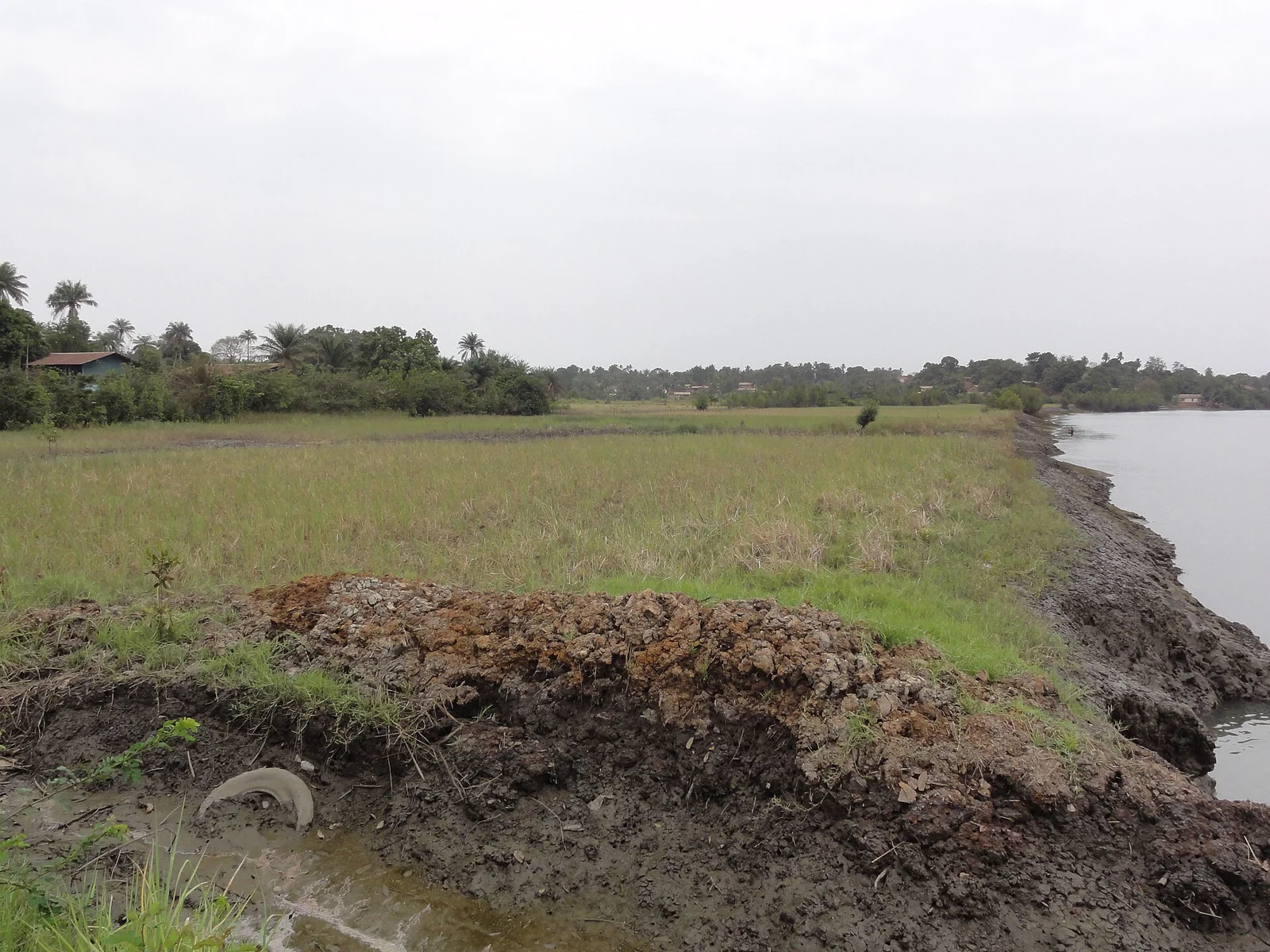
Photo: Africa Rice Center · CC BY-SA 3.0 · cropped for display.

- Feed Salone: strategic pillarsGovernment agricultural strategy covering machinery and water systems, inputs, processing and market access, finance and resilient farming.
- Feed Salone: agricultural transformation strategyThe 2023 strategy provides background on rice and other agricultural value chains. Its targets are policy ambitions rather than available investment allocations.
- FAO: Sierra Leone agrifood investor summit, November 2025Documents rice, cassava and palm-oil value chains and the policy ambition to expand local production and reduce imports. It does not identify available Capital Africa projects or guaranteed buyers.