
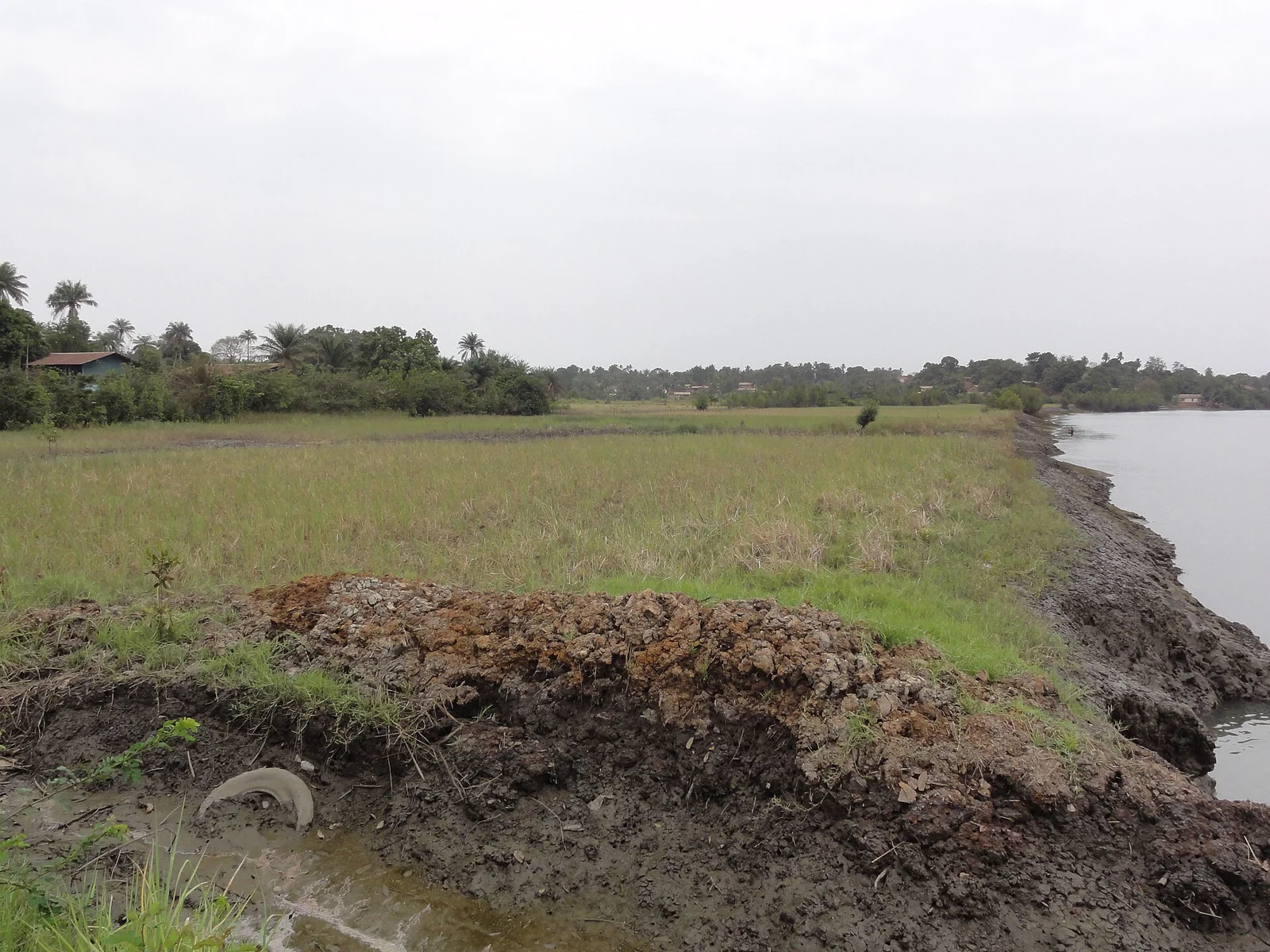
Build a rice business beyond the field.
Rice production, drying, milling, storage and distribution are connected businesses. Whether you bring agricultural expertise or processing equipment, we help investigate where your capability fits and organise the local evidence needed to test the commercial plan.
Choose the part of the value chain you can operate.
Feed Salone’s 2025 programme report describes work on rice production and processing. Those initiatives provide context; your business needs its own suppliers, customers and technical assessment.
Commercial rice production
Assess the proposed ecology, water management, seed suitability, machinery access and seasonal calendar with an agronomist. We coordinate field visits and local conversations rather than assuming the same model fits every site.
Milling and post-harvest services
Investigate the available paddy supply, moisture handling, power, equipment maintenance and the quality buyers require. Capacity should follow the evidence about feedstock and sales, not simply the machine catalogue.
Inputs and machinery services
Seed supply, irrigation equipment, harvesting or repair services need capable operators and a seasonal customer plan. We help research potential farmer groups and operating partners for the service you propose.
Test the route from production to payment.
The operating plan should follow the crop through each stage.
Reliable supply
For your own farm or an aggregation model, examine production records, grower arrangements, timing and handling. Technical advisers can assess the assumptions behind expected supply.
Quality and the buyer
Clarify the customer’s preferred specification, packaging, delivery schedule and purchase process. We can arrange relevant meetings so product decisions reflect an actual market enquiry.
Operating costs and resilience
Review transport, storage, staffing, maintenance and cash tied up in seasonal purchases. Your team should test how interruptions or lower volumes affect the business before scaling.
Make the first assignment practical.
You can start with a field concept, an equipment offer or a processing expansion.
A proposed farm
Tell us the location, intended scale and agronomic support available. We can organise site enquiries and introductions for land and technical review.
A mill or equipment business
Share specifications and intended users. We help investigate supply areas, operator capability, servicing and potential customer meetings.
An existing local business
Explain current activity and the expansion sought. We can help identify the information and professional assessment needed before suitable partner discussions.
Understand what would make a buyer choose local rice.
FAO’s 2025 agrifood summit report discusses rice import substitution. For an individual business, the decisive evidence comes from product testing, supply reliability and customer terms.
Compare the actual product
Research grain preferences, quality consistency, packaging and the way buyers assess samples. A national production goal does not show which specification your mill should produce or what an individual customer will pay.
Separate interest from an order
We can coordinate buyer meetings and record indicative requirements. Confirm who is authorised to purchase, expected volumes, inspection, delivery and payment terms. A conversation or letter of interest is not a guaranteed sale or financing commitment.
Plan delivery through the season
Test how paddy procurement, storage, milling, transport and working capital would support repeat deliveries. Compare the operating plan with customer requirements before choosing the scale of your farm, mill or distribution business.
Put local knowledge behind your next move.
Start with the question that matters to your business. We agree the scope, relevant specialists and next steps with you.
Request market intelligence
Understand the market, potential demand and practical entry routes.
Verify a company
Scope checks on identity, documents, ownership and the proposed activity.
Find a local partner
Define the expertise you need and assess prospective partners.
Arrange a site visit
Coordinate relevant meetings, site access and local travel.
Start market entry
Plan your local presence, specialist advice and business setup.
Business & Government Meeting Coordination
Prepare meeting requests and coordinate business or public-sector appointments, subject to availability and approval. We are independent of government.
Your questions, answered.
A starting point for a more informed conversation.
Can you arrange a rice-farm visit?
Yes. We coordinate the host, purpose, transport and specialist attendance where needed. Land arrangements and suitability are assessed separately through qualified local and agronomic advice.
Does Feed Salone funding cover my project?
Programme announcements do not establish your eligibility or available funding. We can help identify the relevant official enquiry, while any application, financing or procurement decision remains with the responsible organisation.
Tell us what you want to build.
Share your target market, sector and plans. We can help you define the research, introductions and local support to move forward.
Discuss my investment plansHave a project seeking investment?
Introduce your business and the support you need. Our team reviews submissions privately before discussing potential next steps or introductions.
Submit your projectMarket guide reviewed . Public sources inform the market context; the practical questions and service approach are Capital Africa’s own.
Photo: Africa Rice Center · CC BY-SA 3.0 · cropped for display.

- Feed Salone: year-two report2025 programme report describing agricultural processing and production initiatives; no project allocation is implied.
- Feed Salone: seeds and input systemsGovernment programme priorities for agricultural inputs; suitability still depends on the site and production system.
- FAO: Sierra Leone agrifood investor summit, November 2025Context for rice import substitution as a national development theme; individual buyer requirements and commercial viability need separate assessment.